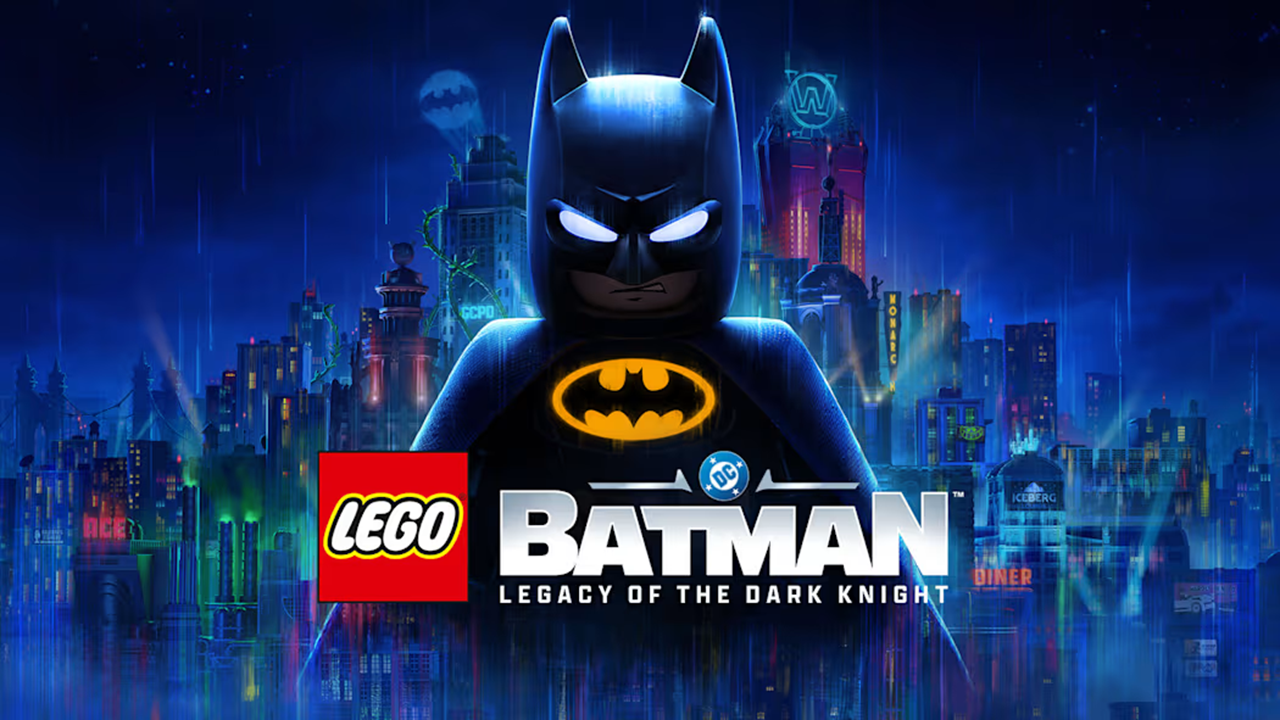
Lego Batman brought the established LEGO game formula to the world of Gotham, delivering a familiar mixture of humor, accessible combat, and collectible-driven exploration.
Developed by Traveller's Tales (TT Games) and published by Warner Bros.
Interactive, Lego Batman launched in 2008 across seventh-generation consoles and PC, following the commercial and critical groundwork laid by Lego Star Wars and Lego Indiana Jones.
From the outset, Lego Batman retained the core mechanics that made earlier LEGO titles successful while shifting the central hub to the Batcave.
Players can access missions by using vehicles such as the Batmobile, Batplane and Batboat, each linking to distinct mission groups.
The Batcave itself serves as an explorable central hub with numerous areas to investigate and collectibles to recover—design choices that encouraged replayability and completionist playstyles.
Rewriting an early appraisal in clear journalistic language: players who enjoyed the previous LEGO outings will likely find Lego Batman equal to or exceeding those games in quality.
The title uses the same proven structure as its predecessors while adding the thematic variety of Batman’s vehicles and a richly detailed Batcave hub, providing plenty of exploration and collectibles to occupy meticulous players for extended play sessions.
Lego Batman sits squarely in TT Games' lineup of franchise adaptations.
Traveller's Tales established its reputation with Lego Star Wars (the 2005 release that redefined licensed LEGO games) and continued to refine the formula through subsequent projects, including Lego Indiana Jones.
The Lego Batman IP later spawned sequels—Lego Batman 2: DC Super Heroes (2012) and Lego Batman 3: Beyond Gotham (2014)—and the broader LEGO catalogue has since been made available on modern platforms, including releases and compilations on Nintendo platforms and the Nintendo Switch eShop.
For readers tracking platform availability and franchise evolution, Lego Batman represents a key step in the LEGO games' transition from licensed novelty to a durable mainstream series.
Its Batcave hub and vehicle-based mission structure underscore why TT Games continued to iterate on the formula in later entries and ports.