




Sony's announced end to PS5 disc production, set to take effect in January 2028, has focused attention on a longer-running trend: the steady decline of physical game sales.
Industry measurement firm Circana reported that, during the week ending July 11, 2026, only two PS5 titles sold more than 10,000 physical copies, and just seven PS5 games had surpassed 100,000 physical units year-to-date.
Those figures underline the shrinking market for boxed PlayStation software.
Mat Piscatella of Circana provided the sales snapshot that has driven this conversation.
Christopher Dring of The Game Business followed with regional context for those numbers, noting that in the most recent UK weekly sales chart the ninth-place slot could be reached with roughly 1,000 physical sales.
Put plainly, relatively small physical print runs are now enough to place a game in the UK top ten.
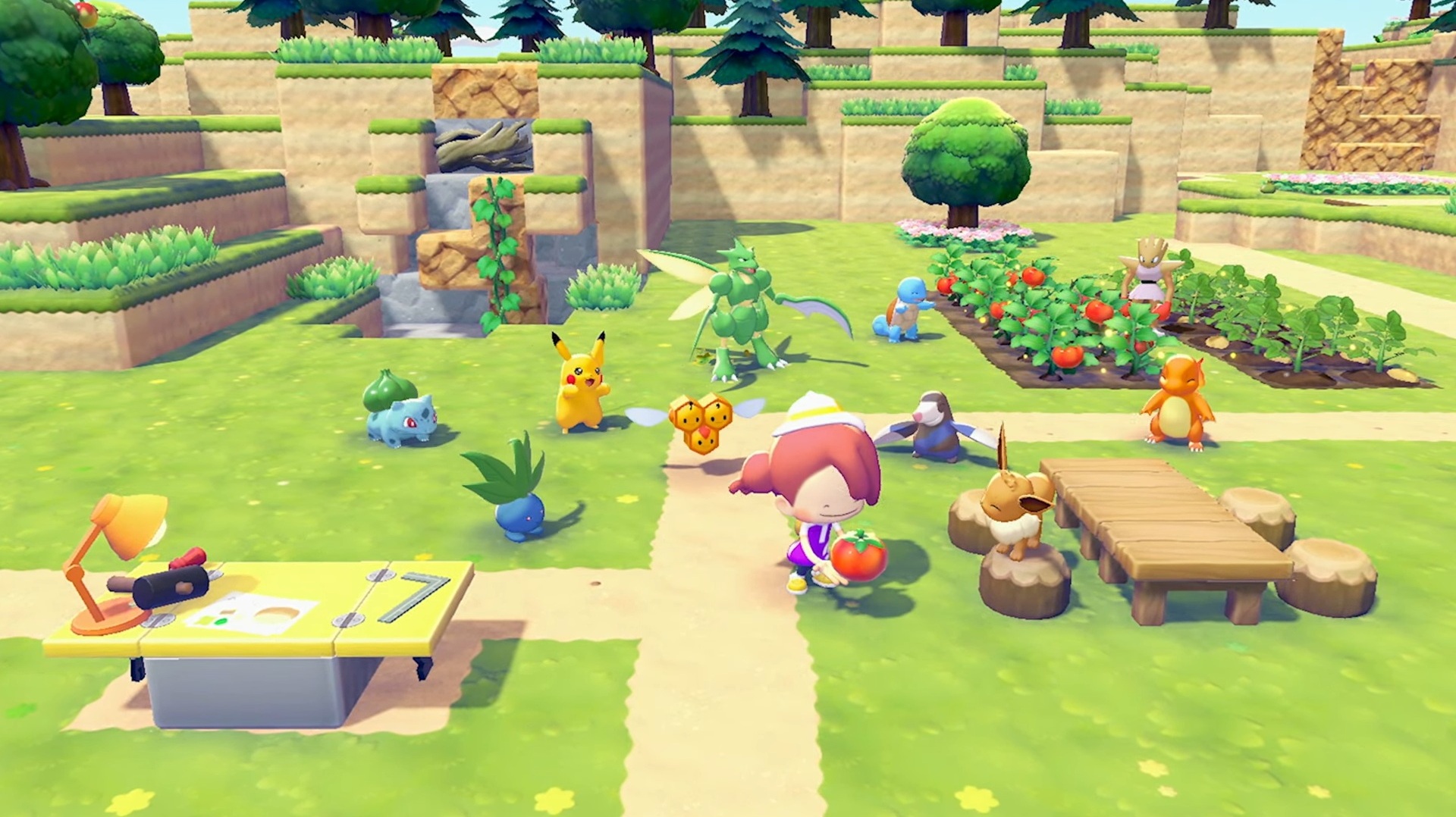
That reality was visible in last week’s chart: Pokémon Legends: Z-A occupied the number nine position, with Circana’s breakdown showing a roughly 60/40 split between Switch 2 and Nintendo Switch for that title’s physical sales.
Immediately below it, Star Fox — released on June 25 — charted at number ten, a placement consistent with selling 1,000 or fewer physical copies in the week ending July 18.
Those placements reflect how frontloaded and platform-split sales patterns have become in a market that increasingly favors digital distribution.
Industry reaction has been blunt.
Social commentary has ranged from frustration to resignation; one widely shared informal reaction summed the mood as a sharp, undeniable disappointment.
Veteran observers have also pointed out how dramatically retail dynamics have changed over the last decade, when new releases routinely moved hundreds of units per store on day one.
For publishers and platform holders, the sales figures pose an operational question: how to align physical manufacturing with diminished but persistent collector and retail demand.
Retailers, developers and platform owners — including Nintendo, which continues to sell a substantial portion of its catalog physically on Nintendo Switch and emerging Switch 2 hardware — must balance production costs, inventory risk and consumer preference.
What’s clear from Circana’s data and the UK chart is that the physical games market has shrunk substantially on PlayStation, and those shifts are already shaping release strategies and inventory planning across the industry.
Developers, publishers and retailers will continue to monitor weekly sales data, eShop trends and platform reports as they adjust to a marketplace where digital distribution dominates but physical formats still serve a dedicated segment of players.
Industry measurement firm Circana reported that, during the week ending July 11, 2026, only two PS5 titles sold more than 10,000 physical copies, and just seven PS5 games had surpassed 100,000 physical units year-to-date.
Those figures underline the shrinking market for boxed PlayStation software.
Mat Piscatella of Circana provided the sales snapshot that has driven this conversation.
Christopher Dring of The Game Business followed with regional context for those numbers, noting that in the most recent UK weekly sales chart the ninth-place slot could be reached with roughly 1,000 physical sales.
Put plainly, relatively small physical print runs are now enough to place a game in the UK top ten.
That reality was visible in last week’s chart: Pokémon Legends: Z-A occupied the number nine position, with Circana’s breakdown showing a roughly 60/40 split between Switch 2 and Nintendo Switch for that title’s physical sales.
Immediately below it, Star Fox — released on June 25 — charted at number ten, a placement consistent with selling 1,000 or fewer physical copies in the week ending July 18.
Those placements reflect how frontloaded and platform-split sales patterns have become in a market that increasingly favors digital distribution.
Industry reaction has been blunt.
Social commentary has ranged from frustration to resignation; one widely shared informal reaction summed the mood as a sharp, undeniable disappointment.
Veteran observers have also pointed out how dramatically retail dynamics have changed over the last decade, when new releases routinely moved hundreds of units per store on day one.
For publishers and platform holders, the sales figures pose an operational question: how to align physical manufacturing with diminished but persistent collector and retail demand.
Retailers, developers and platform owners — including Nintendo, which continues to sell a substantial portion of its catalog physically on Nintendo Switch and emerging Switch 2 hardware — must balance production costs, inventory risk and consumer preference.
What’s clear from Circana’s data and the UK chart is that the physical games market has shrunk substantially on PlayStation, and those shifts are already shaping release strategies and inventory planning across the industry.
Developers, publishers and retailers will continue to monitor weekly sales data, eShop trends and platform reports as they adjust to a marketplace where digital distribution dominates but physical formats still serve a dedicated segment of players.