Analogue Pocket Everdrive incompatibility emerges as Everdrive maker Krikzz has publicly documented a problem affecting newer production runs of Analogue's Pocket handheld that prevents Everdrive flash carts from operating correctly.
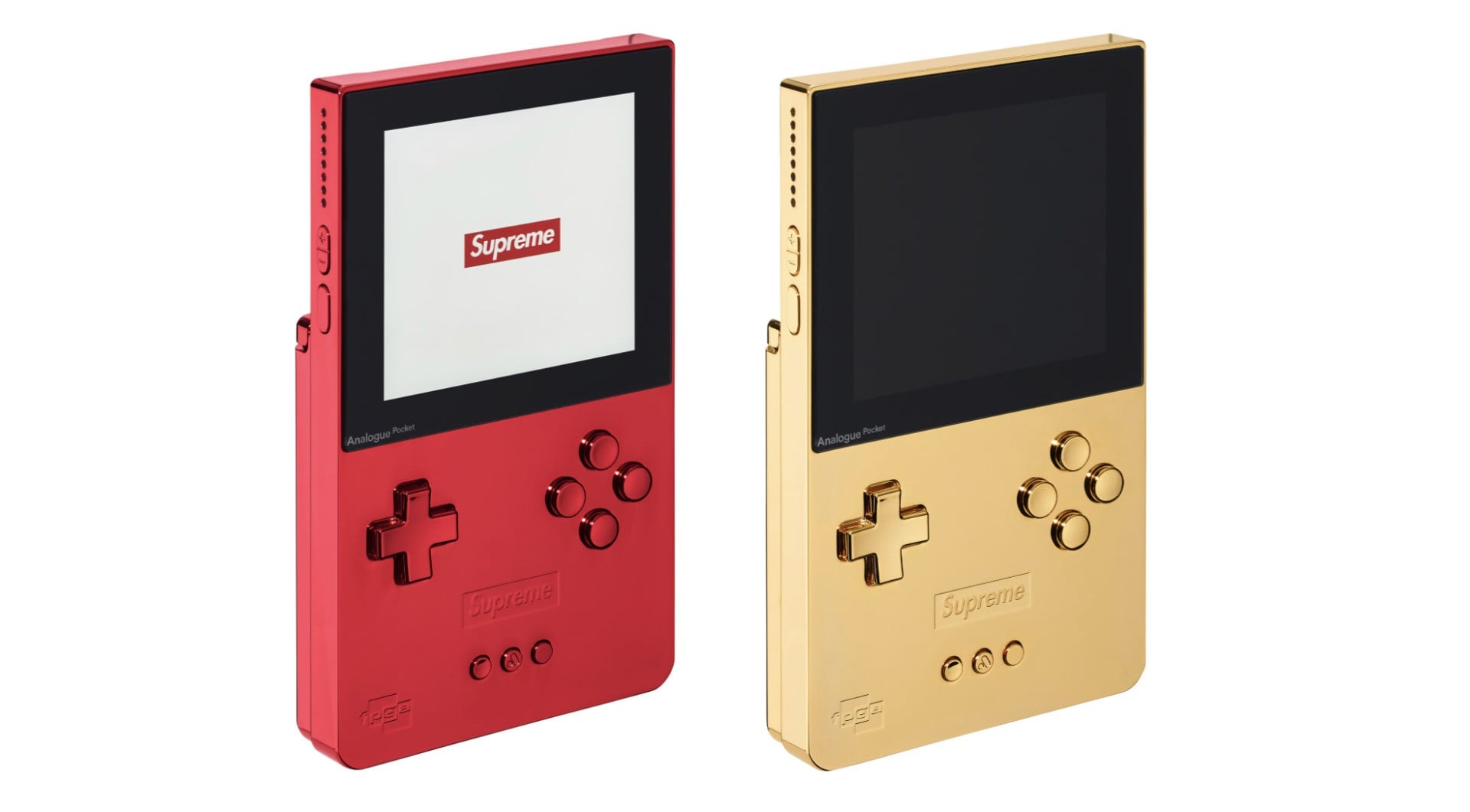
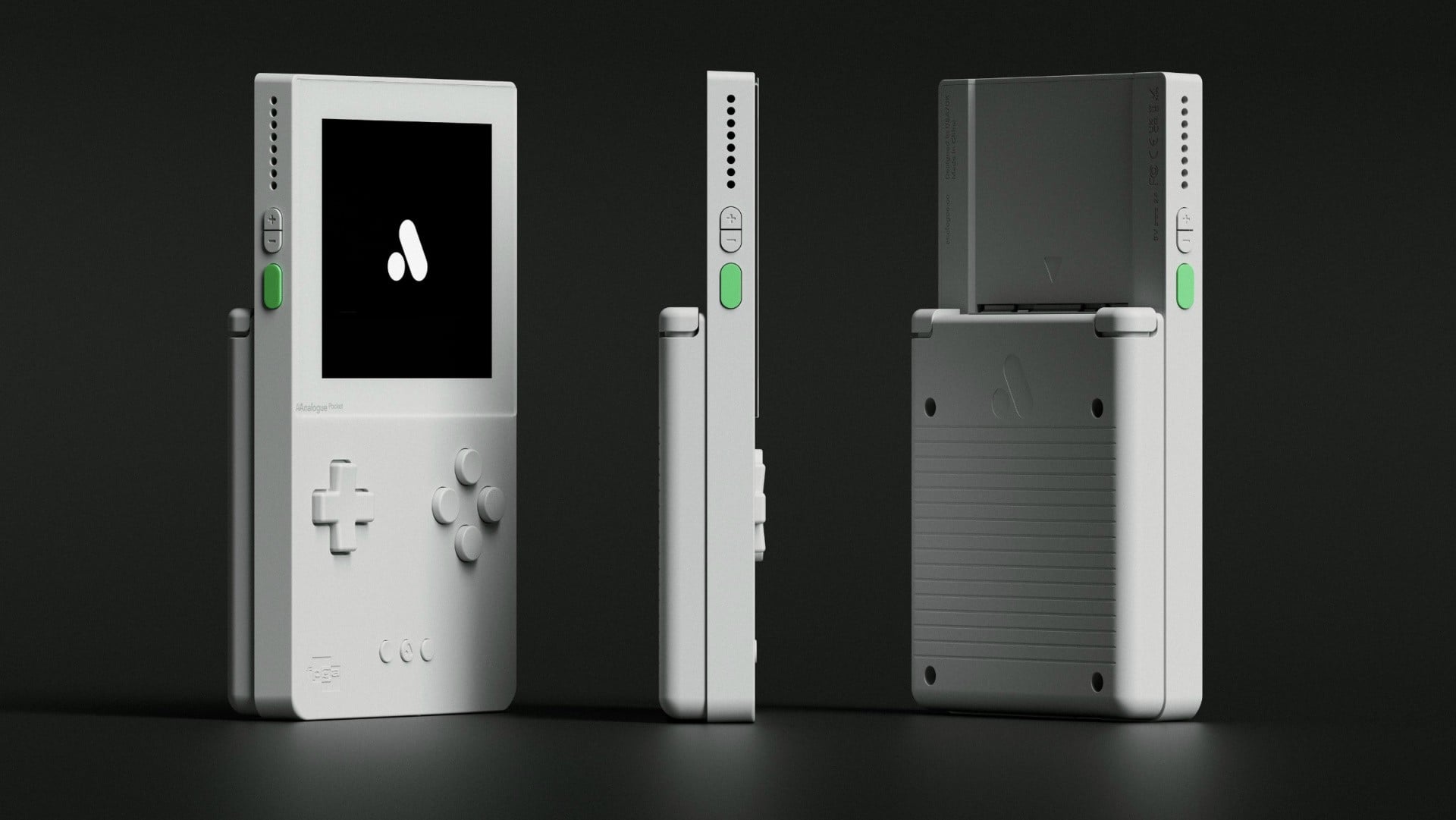
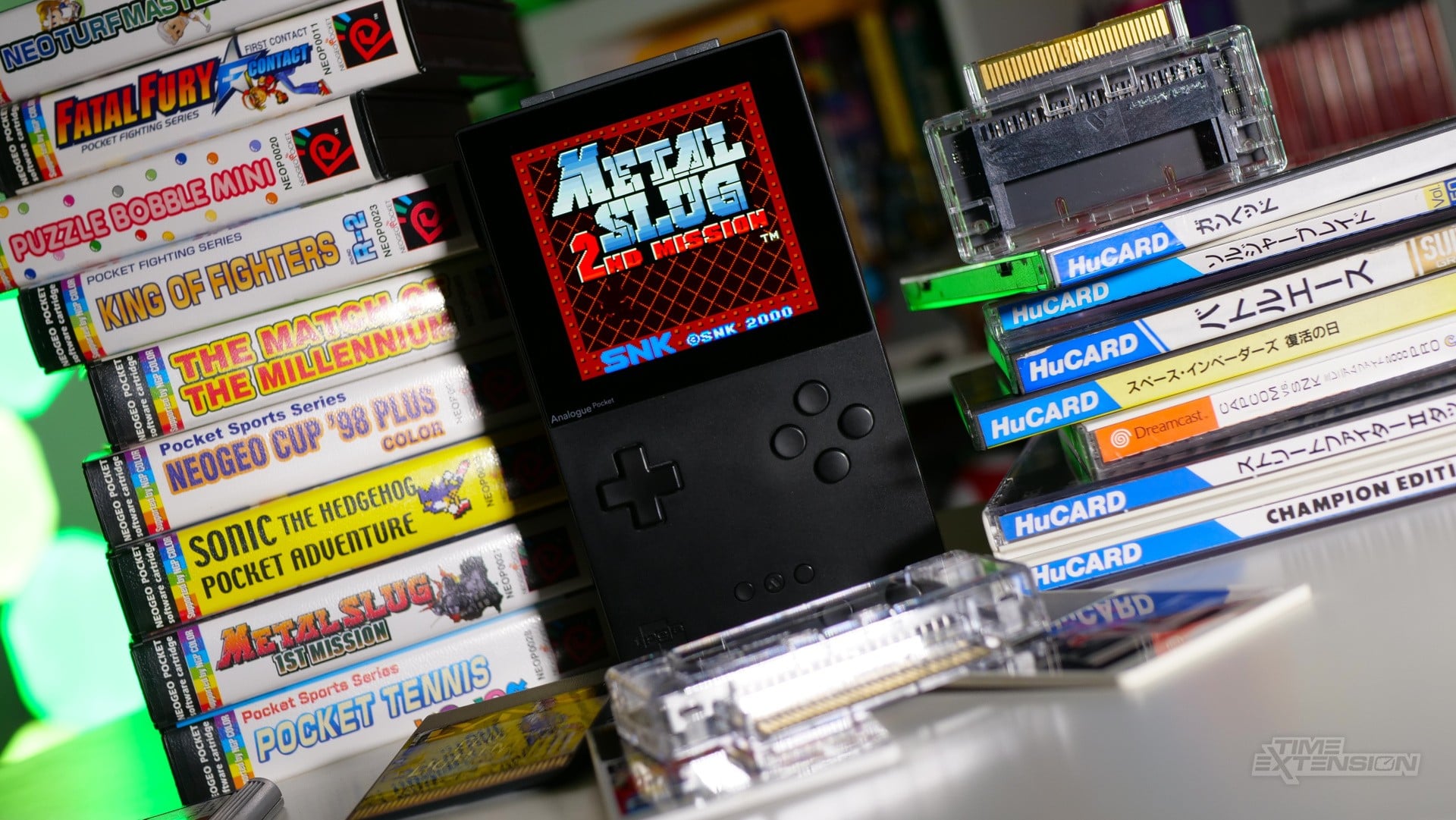
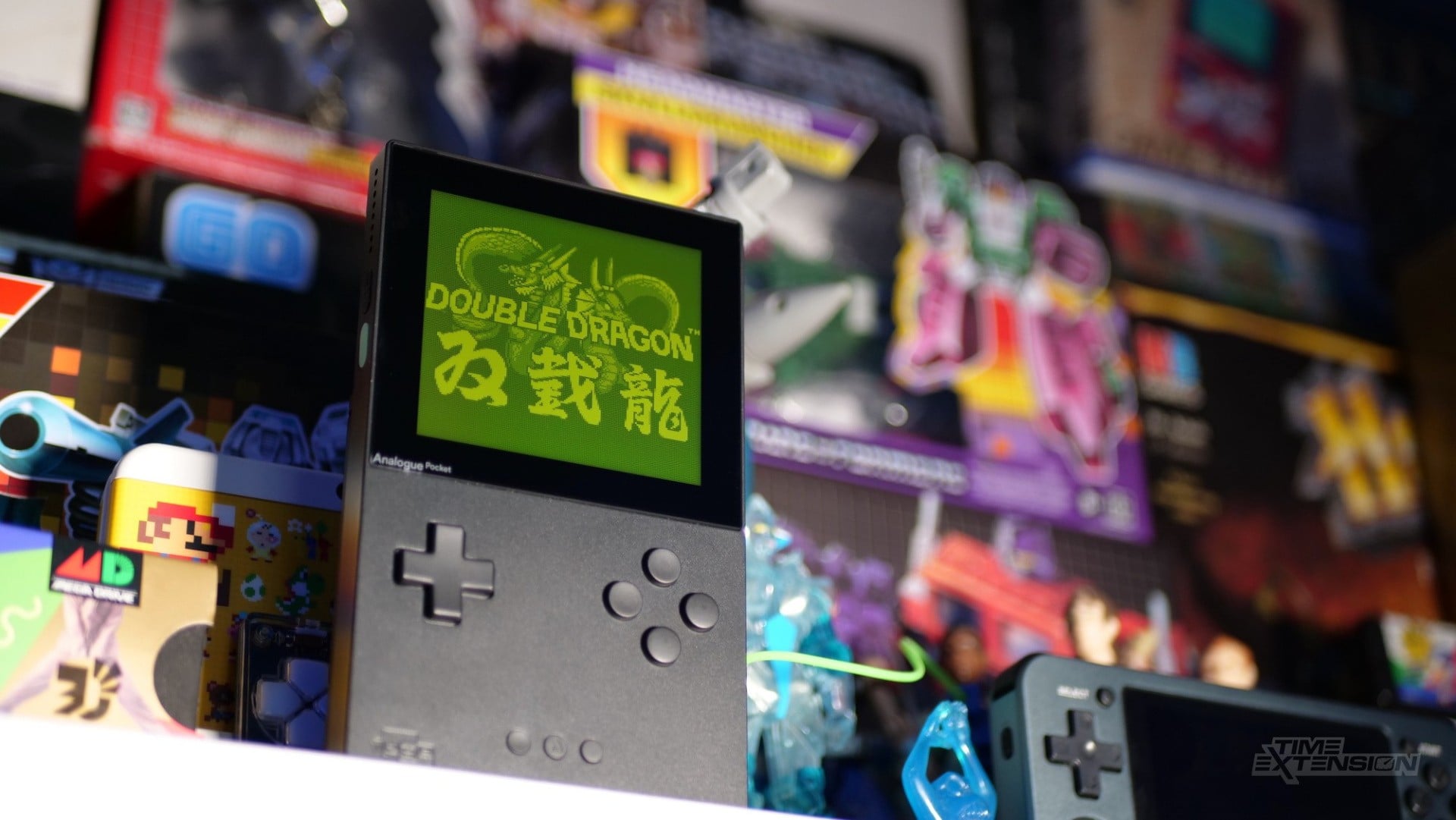
The Analogue Pocket, produced by FPGA specialist Analogue and designed to play original Game Boy cartridges and a range of other formats via adapters (including GBA, Neo Geo Pocket Color, PC Engine, Neo Geo Pocket, Lynx and Game Gear), has been adopted by retro gaming enthusiasts and developers for hardware-accurate playback.
Krikzz, the developer behind the Everdrive family of flash cartridges, highlighted the issue after a Pocket owner using the handle elfricko reported problems on the Analogue forums.
Krikzz summarized the technical symptom by noting that when the Pocket writes to a file it first reads the sector containing directory information, applies modifications and writes the sector back; on affected Pocket units, bits within that sector can become corrupted for an unexplained reason, damaging file system sectors and breaking the expected behavior for Everdrive carts.
In plain terms, Krikzz said the fault appears to be hardware-related: the same Everdrive firmware and cards work on older Pocket units but consistently fail on the newer batch.
Analogue has reportedly been contacted about the incompatibility.
The company has stated it does not provide customer support for third-party devices, which leaves flash cart manufacturers and owners to coordinate troubleshooting and possible firmware or hardware workarounds.
Krikzz's observation that older units behave correctly while new units do not supports the conclusion that the fault is tied to changes in the new Pocket hardware or production batch rather than to Everdrive firmware alone.
The Everdrive line from Krikzz is widely used by hobbyists and developers for loading homebrew, backups and test builds on original and modernized hardware.
For players seeking official avenues to play retro titles on modern systems, platforms such as the Nintendo Switch and its eShop continue to host licensed rereleases and retro collections—an entirely separate approach to preservation and replayability.
At this time, Krikzz's post and Analogue's response are the primary verified sources on the matter.
Both Everdrive owners and prospective Analogue Pocket buyers who rely on flash carts should monitor official channels—Analogue's support pages and Krikzz's communications—for updates and any published diagnostics or fixes.
The Analogue Pocket, produced by FPGA specialist Analogue and designed to play original Game Boy cartridges and a range of other formats via adapters (including GBA, Neo Geo Pocket Color, PC Engine, Neo Geo Pocket, Lynx and Game Gear), has been adopted by retro gaming enthusiasts and developers for hardware-accurate playback.
Krikzz, the developer behind the Everdrive family of flash cartridges, highlighted the issue after a Pocket owner using the handle elfricko reported problems on the Analogue forums.
Krikzz summarized the technical symptom by noting that when the Pocket writes to a file it first reads the sector containing directory information, applies modifications and writes the sector back; on affected Pocket units, bits within that sector can become corrupted for an unexplained reason, damaging file system sectors and breaking the expected behavior for Everdrive carts.
In plain terms, Krikzz said the fault appears to be hardware-related: the same Everdrive firmware and cards work on older Pocket units but consistently fail on the newer batch.
Analogue has reportedly been contacted about the incompatibility.
The company has stated it does not provide customer support for third-party devices, which leaves flash cart manufacturers and owners to coordinate troubleshooting and possible firmware or hardware workarounds.
Krikzz's observation that older units behave correctly while new units do not supports the conclusion that the fault is tied to changes in the new Pocket hardware or production batch rather than to Everdrive firmware alone.
The Everdrive line from Krikzz is widely used by hobbyists and developers for loading homebrew, backups and test builds on original and modernized hardware.
For players seeking official avenues to play retro titles on modern systems, platforms such as the Nintendo Switch and its eShop continue to host licensed rereleases and retro collections—an entirely separate approach to preservation and replayability.
At this time, Krikzz's post and Analogue's response are the primary verified sources on the matter.
Both Everdrive owners and prospective Analogue Pocket buyers who rely on flash carts should monitor official channels—Analogue's support pages and Krikzz's communications—for updates and any published diagnostics or fixes.