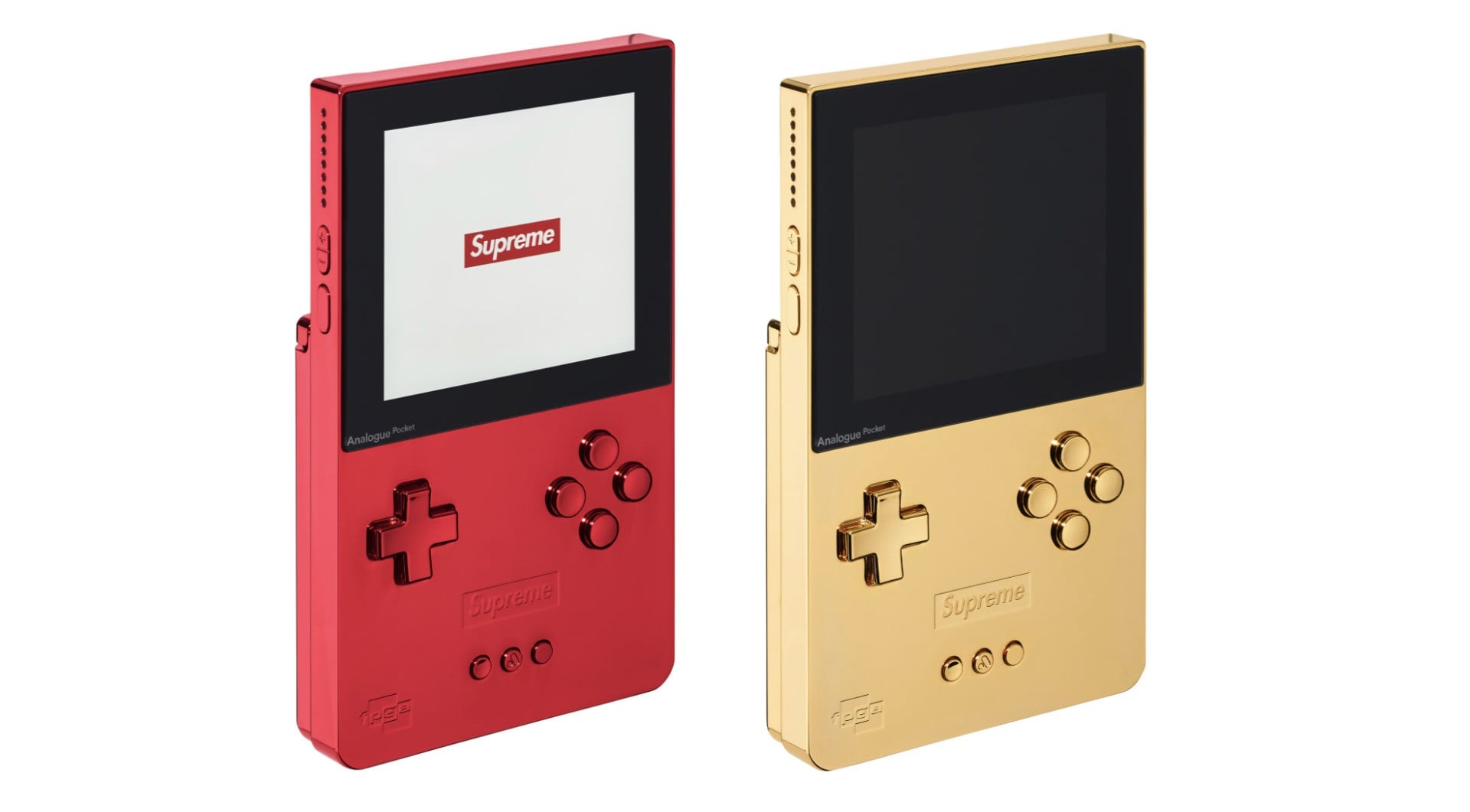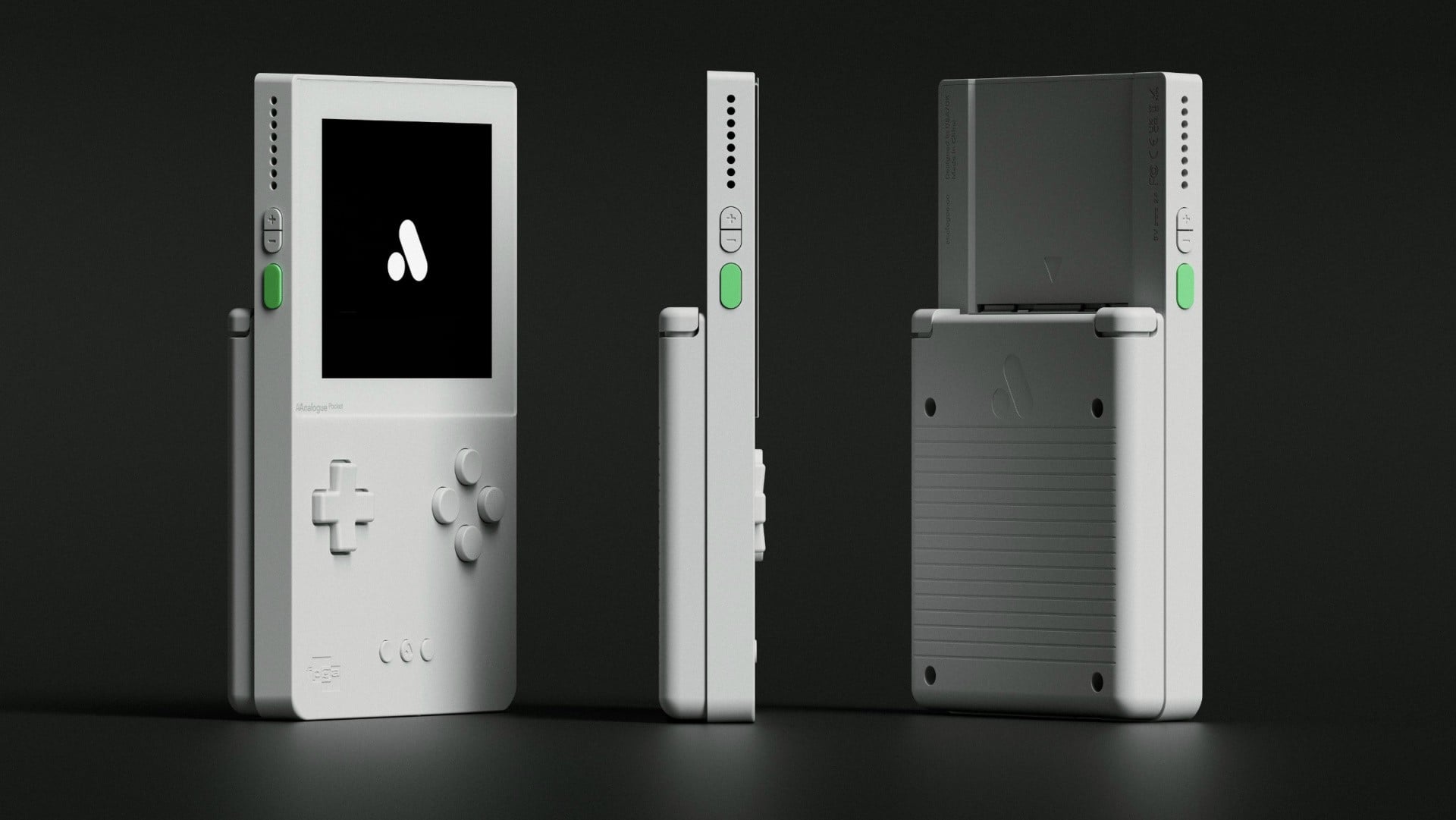
Analogue Pocket SNES core save states have arrived in an experimental openFPGA build, giving users the ability to record and restore game progress on the fly.
The update — highlighted by community account Pixel Cherry Ninja — brings a long-requested feature to the Pocket’s SNES core, joining earlier FPGA projects that have added similar capabilities.
Why this matters: FPGA hardware is prized for delivering cycle-accurate recreation of classic consoles, often producing more faithful results than software emulation.
However, features common in emulator environments — most notably instant save states — are technically more difficult to implement on FPGA platforms.
Developers have nonetheless continued to innovate; several NES FPGA cores have previously incorporated save features, and the MiSTer FPGA platform officially added save-state support in 2024.
What changed: An experimental version of the openFPGA SNES core for the Analogue Pocket has been made available and includes the ability to save a game state at any point during play.
Pixel Cherry Ninja drew attention to this build, noting the addition of on-the-fly save functionality.
In journalistic terms: the openFPGA SNES core now offers experimental save-state support on the Analogue Pocket, as confirmed by community reporting.
Technical and community context: Implementing save states on FPGA systems requires capturing and restoring the entire hardware state — an undertaking that can be more complex than serializing emulator memory.
That complexity has not prevented progress.
The MiSTer project’s 2024 inclusion of save states demonstrated that FPGA projects can integrate emulator-style conveniences while preserving hardware-level accuracy.
What users should know: The new save-state feature is part of an experimental openFPGA build for the SNES core; users should expect this to be a work-in-progress rather than a finalized release.
Community feedback and testing typically guide further refinement.
Given the Pocket’s position as an FPGA-based handheld, this update represents a meaningful quality-of-life improvement for users who rely on on-demand saves during long sessions.
Next steps: Interested users can follow Pixel Cherry Ninja and openFPGA community channels for download instructions and changelogs.
As with all experimental FPGA builds, back up existing configurations and consult community documentation before installing.
Share your experiences and file any issues with the core developers to help stabilize the feature for broader release.
The update — highlighted by community account Pixel Cherry Ninja — brings a long-requested feature to the Pocket’s SNES core, joining earlier FPGA projects that have added similar capabilities.
Why this matters: FPGA hardware is prized for delivering cycle-accurate recreation of classic consoles, often producing more faithful results than software emulation.
However, features common in emulator environments — most notably instant save states — are technically more difficult to implement on FPGA platforms.
Developers have nonetheless continued to innovate; several NES FPGA cores have previously incorporated save features, and the MiSTer FPGA platform officially added save-state support in 2024.
What changed: An experimental version of the openFPGA SNES core for the Analogue Pocket has been made available and includes the ability to save a game state at any point during play.
Pixel Cherry Ninja drew attention to this build, noting the addition of on-the-fly save functionality.
In journalistic terms: the openFPGA SNES core now offers experimental save-state support on the Analogue Pocket, as confirmed by community reporting.
Technical and community context: Implementing save states on FPGA systems requires capturing and restoring the entire hardware state — an undertaking that can be more complex than serializing emulator memory.
That complexity has not prevented progress.
The MiSTer project’s 2024 inclusion of save states demonstrated that FPGA projects can integrate emulator-style conveniences while preserving hardware-level accuracy.
What users should know: The new save-state feature is part of an experimental openFPGA build for the SNES core; users should expect this to be a work-in-progress rather than a finalized release.
Community feedback and testing typically guide further refinement.
Given the Pocket’s position as an FPGA-based handheld, this update represents a meaningful quality-of-life improvement for users who rely on on-demand saves during long sessions.
Next steps: Interested users can follow Pixel Cherry Ninja and openFPGA community channels for download instructions and changelogs.
As with all experimental FPGA builds, back up existing configurations and consult community documentation before installing.
Share your experiences and file any issues with the core developers to help stabilize the feature for broader release.