System 3 has issued a detailed public update after controversy over the use of generative AI in James Pond Legacy artwork.
In a post tied to the studio’s Last Ninja Collection messaging on 29 September 2026, System 3 boss Mark Cale expanded on comments he previously gave to GameSpot and outlined the studio’s position following assurances it received from Antstream, the company responsible for the game’s trailer and primary art pipeline.
Background
James Pond Legacy was announced with new artwork and a trailer produced by Antstream.
System 3 initially told platform partners — including Nintendo, Steam, PlayStation 5 and Xbox — that the final assets were human-authored, based on a written statement System 3 says it received from Antstream in December 2025.
That document described a process in which 2D concepts could be passed into models for “pseudo-3D drafts,” after which artists would “manually repaint, re-render and finalise” illustrations, and concluded that “the final assets are fully human-authored.” Cale says he requested that statement to check compliance with the EU Artificial Intelligence Act.
Cale’s account and requests
Cale restated that System 3’s understanding — shared by senior studio head John Twiddy, who has 43 years’ programming experience including work on The Last Ninja series — was that algorithms were used only for intermediate visualisation and that final art was hand-finished by artists.
He said those assurances were repeated during discussions at Gamescom and in subsequent conversations.
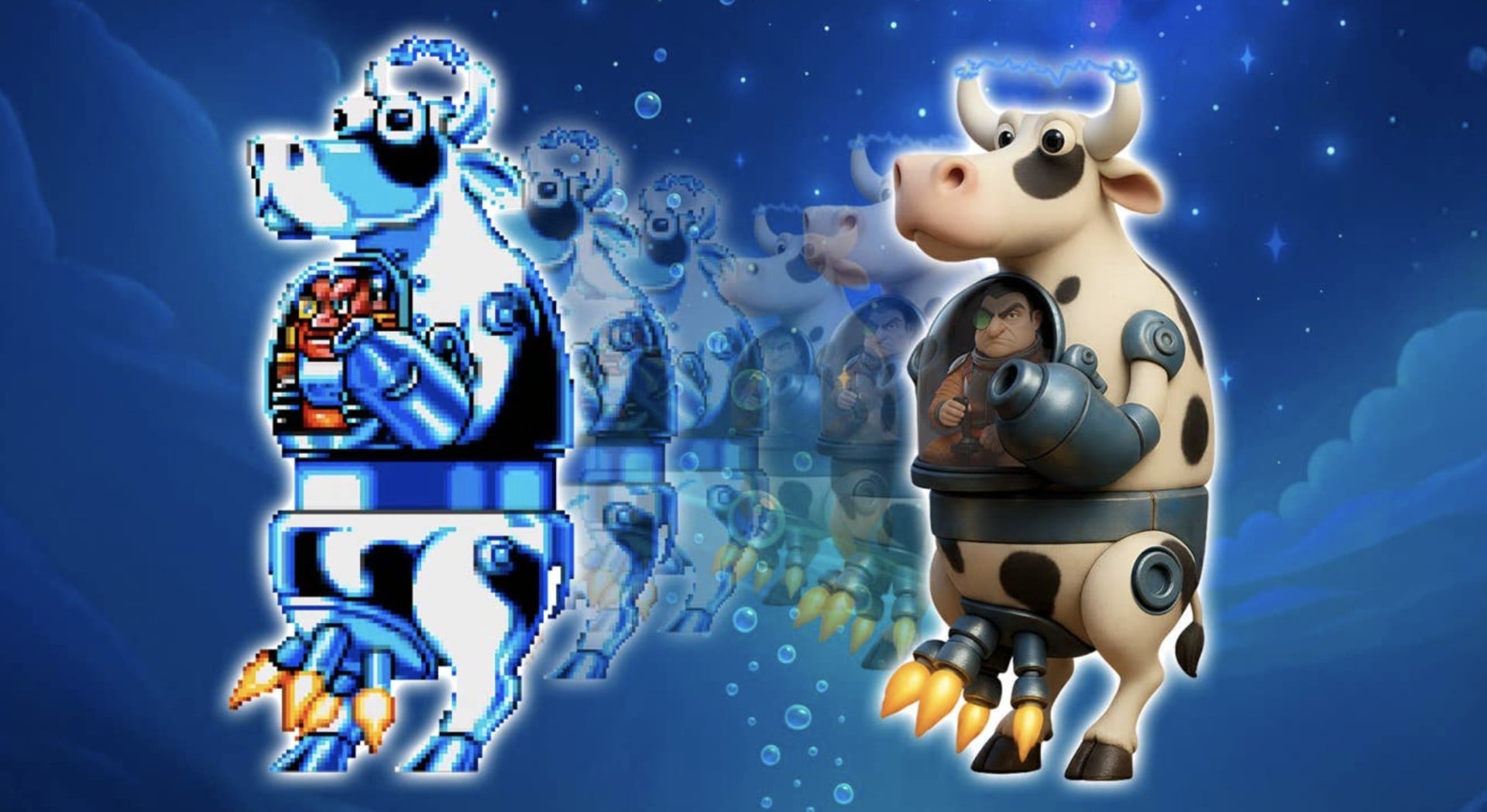
Addressing a specific example, Cale said Antstream supplied a “Bovine Bomber” graphic whose third stage was labelled “3D Algorithm.” System 3 changed that caption to “3D Render” because, he said, Antstream’s written and verbal explanations indicated artists re-rendered and finalised the assets.
Cale added that if a stage involved prompt-driven generative AI producing an image that merely appeared three-dimensional, Antstream should have made that distinction explicit.
Cale says he has asked Antstream for a full workflow to demonstrate that the assets are human-made but that those materials have not yet been provided.
He also stated a desire to be fair to Antstream’s CEO, Steve Cottam, indicating he does not believe any deliberate attempt was made to mislead System 3 and that the companies will meet to seek resolution.
Impact and next steps
Cale acknowledged the controversy has damaged confidence in System 3 and emphasised the studio’s responsibility to ensure public statements are accurate.
He said contractual matters will be handled through the appropriate channels and that System 3 and Antstream will hold further discussions in the coming week.
In a post tied to the studio’s Last Ninja Collection messaging on 29 September 2026, System 3 boss Mark Cale expanded on comments he previously gave to GameSpot and outlined the studio’s position following assurances it received from Antstream, the company responsible for the game’s trailer and primary art pipeline.
Background
James Pond Legacy was announced with new artwork and a trailer produced by Antstream.
System 3 initially told platform partners — including Nintendo, Steam, PlayStation 5 and Xbox — that the final assets were human-authored, based on a written statement System 3 says it received from Antstream in December 2025.
That document described a process in which 2D concepts could be passed into models for “pseudo-3D drafts,” after which artists would “manually repaint, re-render and finalise” illustrations, and concluded that “the final assets are fully human-authored.” Cale says he requested that statement to check compliance with the EU Artificial Intelligence Act.
Cale’s account and requests
Cale restated that System 3’s understanding — shared by senior studio head John Twiddy, who has 43 years’ programming experience including work on The Last Ninja series — was that algorithms were used only for intermediate visualisation and that final art was hand-finished by artists.
He said those assurances were repeated during discussions at Gamescom and in subsequent conversations.
Addressing a specific example, Cale said Antstream supplied a “Bovine Bomber” graphic whose third stage was labelled “3D Algorithm.” System 3 changed that caption to “3D Render” because, he said, Antstream’s written and verbal explanations indicated artists re-rendered and finalised the assets.
Cale added that if a stage involved prompt-driven generative AI producing an image that merely appeared three-dimensional, Antstream should have made that distinction explicit.
Cale says he has asked Antstream for a full workflow to demonstrate that the assets are human-made but that those materials have not yet been provided.
He also stated a desire to be fair to Antstream’s CEO, Steve Cottam, indicating he does not believe any deliberate attempt was made to mislead System 3 and that the companies will meet to seek resolution.
Impact and next steps
Cale acknowledged the controversy has damaged confidence in System 3 and emphasised the studio’s responsibility to ensure public statements are accurate.
He said contractual matters will be handled through the appropriate channels and that System 3 and Antstream will hold further discussions in the coming week.