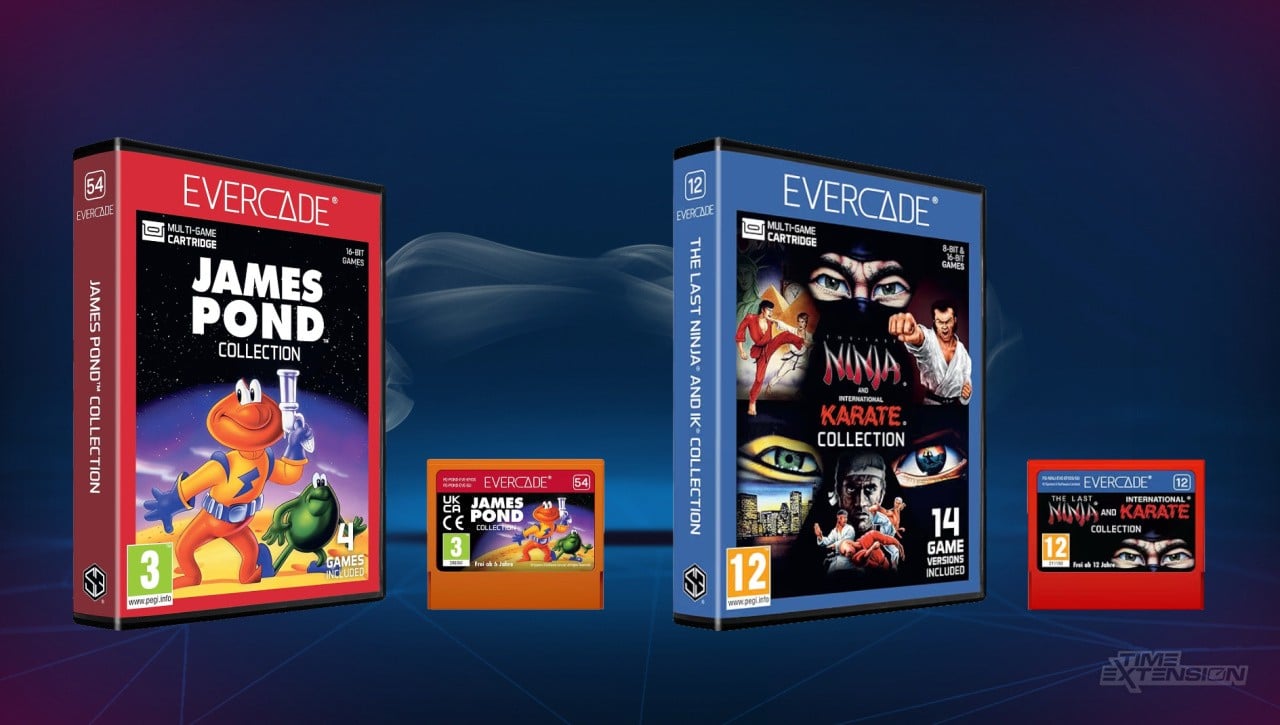

An ongoing dispute over the upcoming compilation James Pond Legacy: The Pond Is Not Enough has thrust the classic platforming franchise back into the headlines.
Developed and published under the System 3 banner, the collection—presented as an updated compilation of older James Pond titles—has drawn criticism after reports that AI-generated assets were used in parts of the package.
The story gained wider attention following an interview with Time Extension in which series creator Chris Sorrell publicly condemned the project and his exclusion from it.
Sorrell told Time Extension that he was not consulted or involved in the compilation, and he criticized the way the release has been handled.
In journalistic terms, Sorrell said he was disappointed and saddened that the collection was not produced as an artfully curated tribute; instead, he described the project as an example of commercial exploitation of the James Pond brand and accused those managing the release of prioritizing low-cost AI assets over engaging or compensating original developers.
Reporters tracing the rights history note a complex chain of ownership that explains why Sorrell lacks control over new James Pond releases.
The franchise rights were acquired by Millennium Interactive prior to Sony's acquisition of that company in 1997.
CyberLife Technology, the development arm tied to those changes, retained certain character rights, and later transactions—including a sale to Gameware Europe in 2003—left the James Pond trademark and rights in a split arrangement involving Gameware and the current developer, System 3.
That legal landscape helps explain why the original creator is unable to veto or participate in modern compilations.
System 3 has positioned the project as a legacy collection, and coverage has highlighted fan interest across platforms where retro compilations typically appear, including Nintendo Switch and digital storefronts such as the eShop.
As discussions around generative AI and creative credit continue across the industry, this episode joins a broader conversation about preservation, remastering standards, and how developers and rights holders recognize original creators.
Time Extension led the original reporting on Sorrell's statements and the rights timeline.
For fans following announcements and platform-specific details, official channels such as System 3 statements and major showcases like Nintendo Direct remain the authoritative sources for release dates and platform availability.
Developed and published under the System 3 banner, the collection—presented as an updated compilation of older James Pond titles—has drawn criticism after reports that AI-generated assets were used in parts of the package.
The story gained wider attention following an interview with Time Extension in which series creator Chris Sorrell publicly condemned the project and his exclusion from it.
Sorrell told Time Extension that he was not consulted or involved in the compilation, and he criticized the way the release has been handled.
In journalistic terms, Sorrell said he was disappointed and saddened that the collection was not produced as an artfully curated tribute; instead, he described the project as an example of commercial exploitation of the James Pond brand and accused those managing the release of prioritizing low-cost AI assets over engaging or compensating original developers.
Reporters tracing the rights history note a complex chain of ownership that explains why Sorrell lacks control over new James Pond releases.
The franchise rights were acquired by Millennium Interactive prior to Sony's acquisition of that company in 1997.
CyberLife Technology, the development arm tied to those changes, retained certain character rights, and later transactions—including a sale to Gameware Europe in 2003—left the James Pond trademark and rights in a split arrangement involving Gameware and the current developer, System 3.
That legal landscape helps explain why the original creator is unable to veto or participate in modern compilations.
System 3 has positioned the project as a legacy collection, and coverage has highlighted fan interest across platforms where retro compilations typically appear, including Nintendo Switch and digital storefronts such as the eShop.
As discussions around generative AI and creative credit continue across the industry, this episode joins a broader conversation about preservation, remastering standards, and how developers and rights holders recognize original creators.
Time Extension led the original reporting on Sorrell's statements and the rights timeline.
For fans following announcements and platform-specific details, official channels such as System 3 statements and major showcases like Nintendo Direct remain the authoritative sources for release dates and platform availability.