The iconic James Bond franchise has always maintained a careful balance between espionage action and blockbuster spectacle—a challenge especially pronounced when transitioning to interactive formats.
A revealing detail emerged recently regarding the 2010 release of GoldenEye 007 for the Nintendo Wii, a title that revisited and modernized the beloved Nintendo 64 classic.
In a candid interview on the Grit podcast, former Activision Blizzard CEO Bobby Kotick shed light on the behind-the-scenes discussions that shaped the Eurocom-developed reboot, underscoring the influence wielded by Barbara Broccoli, a key custodian of the Bond legacy.
GoldenEye 007, initially a Rare-developed hit for the N64, is frequently credited as a pivotal title in the platform's success and the broader first-person shooter genre.
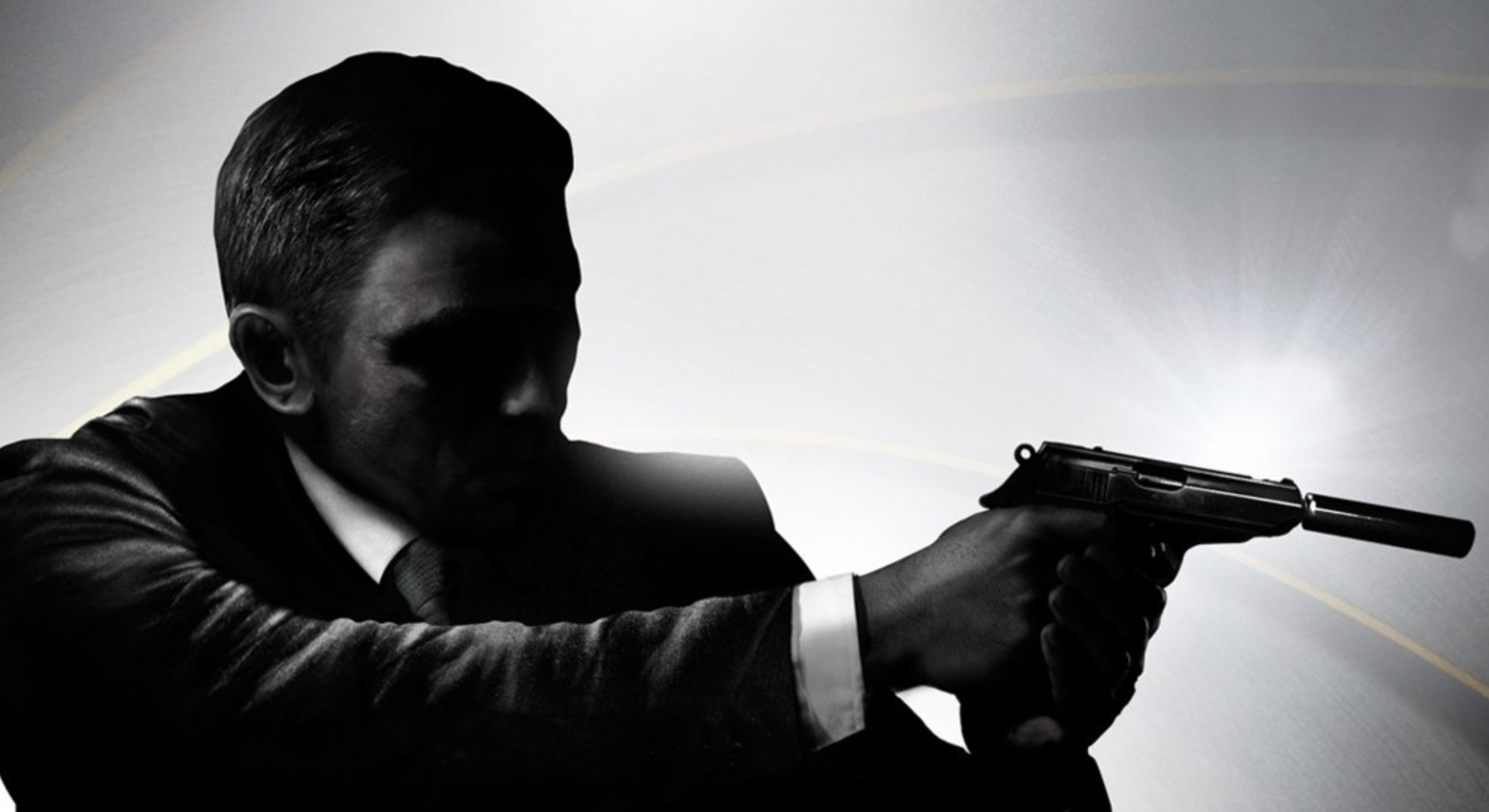
The 2010 reboot for Nintendo Wii sought to honor the original while introducing modernized mechanics and, notably, casting Daniel Craig in place of Pierce Brosnan as the iconic spy.
However, Kotick disclosed that the creative process was not without friction, particularly around the portrayal of violence and the presence of firearms—a core aspect of the James Bond persona as established in both Ian Fleming’s novels and decades of cinematic adaptations.
"Barbara Broccoli expressed clear reservations about the inclusion of violence and gunplay in the game, highlighting her desire to minimize those elements," Kotick recounted during the interview.
This presented a formidable challenge for Activision and Eurocom, who were tasked with delivering an authentic James Bond experience while respecting the sensitivities of the film series’ producers.
Broccoli's position aligns with her ongoing stewardship—alongside half-brother Michael G.
Wilson—over the tone and image of the 007 franchise.
Kotick further explained that he understood Broccoli’s concerns, particularly because video games have a large younger audience, but ultimately noted that omitting violence entirely was simply not feasible for a first-person shooter built around Bond’s world.
This level of oversight from the franchise’s rights holders echoes earlier anecdotes—for instance, Nintendo legend Shigeru Miyamoto famously suggested back in the 1990s that Rare’s original GoldenEye 007 could have featured Bond visiting his adversaries in the hospital, underlining the ever-present tensions between gameplay realism and broader entertainment sensibilities.
GoldenEye 007 for Wii also saw a release on the Nintendo DS, and the enhanced "GoldenEye 007: Reloaded" version brought the experience to PlayStation 3 and Xbox 360 in 2011.
The enduring legacy of GoldenEye 007, from its revolutionary debut on N64 to multiple modern revivals, demonstrates not only its impact on players, but also the delicate negotiations required between developers and a storied intellectual property like James Bond.
Significantly, these challenges reportedly played a role in blocking the anticipated Xbox 360 remake, according to members of the GoldenEye community.
As developers continue to explore iconic franchises for modern audiences—sometimes under the scrutiny of their original creators—GoldenEye 007’s journey to the Nintendo Wii stands as a testament to the complexities of adapting legendary properties to interactive media while respecting the sensitivities of their original stewards.
A revealing detail emerged recently regarding the 2010 release of GoldenEye 007 for the Nintendo Wii, a title that revisited and modernized the beloved Nintendo 64 classic.
In a candid interview on the Grit podcast, former Activision Blizzard CEO Bobby Kotick shed light on the behind-the-scenes discussions that shaped the Eurocom-developed reboot, underscoring the influence wielded by Barbara Broccoli, a key custodian of the Bond legacy.
GoldenEye 007, initially a Rare-developed hit for the N64, is frequently credited as a pivotal title in the platform's success and the broader first-person shooter genre.
The 2010 reboot for Nintendo Wii sought to honor the original while introducing modernized mechanics and, notably, casting Daniel Craig in place of Pierce Brosnan as the iconic spy.
However, Kotick disclosed that the creative process was not without friction, particularly around the portrayal of violence and the presence of firearms—a core aspect of the James Bond persona as established in both Ian Fleming’s novels and decades of cinematic adaptations.
"Barbara Broccoli expressed clear reservations about the inclusion of violence and gunplay in the game, highlighting her desire to minimize those elements," Kotick recounted during the interview.
This presented a formidable challenge for Activision and Eurocom, who were tasked with delivering an authentic James Bond experience while respecting the sensitivities of the film series’ producers.
Broccoli's position aligns with her ongoing stewardship—alongside half-brother Michael G.
Wilson—over the tone and image of the 007 franchise.
Kotick further explained that he understood Broccoli’s concerns, particularly because video games have a large younger audience, but ultimately noted that omitting violence entirely was simply not feasible for a first-person shooter built around Bond’s world.
This level of oversight from the franchise’s rights holders echoes earlier anecdotes—for instance, Nintendo legend Shigeru Miyamoto famously suggested back in the 1990s that Rare’s original GoldenEye 007 could have featured Bond visiting his adversaries in the hospital, underlining the ever-present tensions between gameplay realism and broader entertainment sensibilities.
GoldenEye 007 for Wii also saw a release on the Nintendo DS, and the enhanced "GoldenEye 007: Reloaded" version brought the experience to PlayStation 3 and Xbox 360 in 2011.
The enduring legacy of GoldenEye 007, from its revolutionary debut on N64 to multiple modern revivals, demonstrates not only its impact on players, but also the delicate negotiations required between developers and a storied intellectual property like James Bond.
Significantly, these challenges reportedly played a role in blocking the anticipated Xbox 360 remake, according to members of the GoldenEye community.
As developers continue to explore iconic franchises for modern audiences—sometimes under the scrutiny of their original creators—GoldenEye 007’s journey to the Nintendo Wii stands as a testament to the complexities of adapting legendary properties to interactive media while respecting the sensitivities of their original stewards.