Sega Acquires Angry Birds Developer Rovio for $775 Million in Landmark Mobile Gaming Push
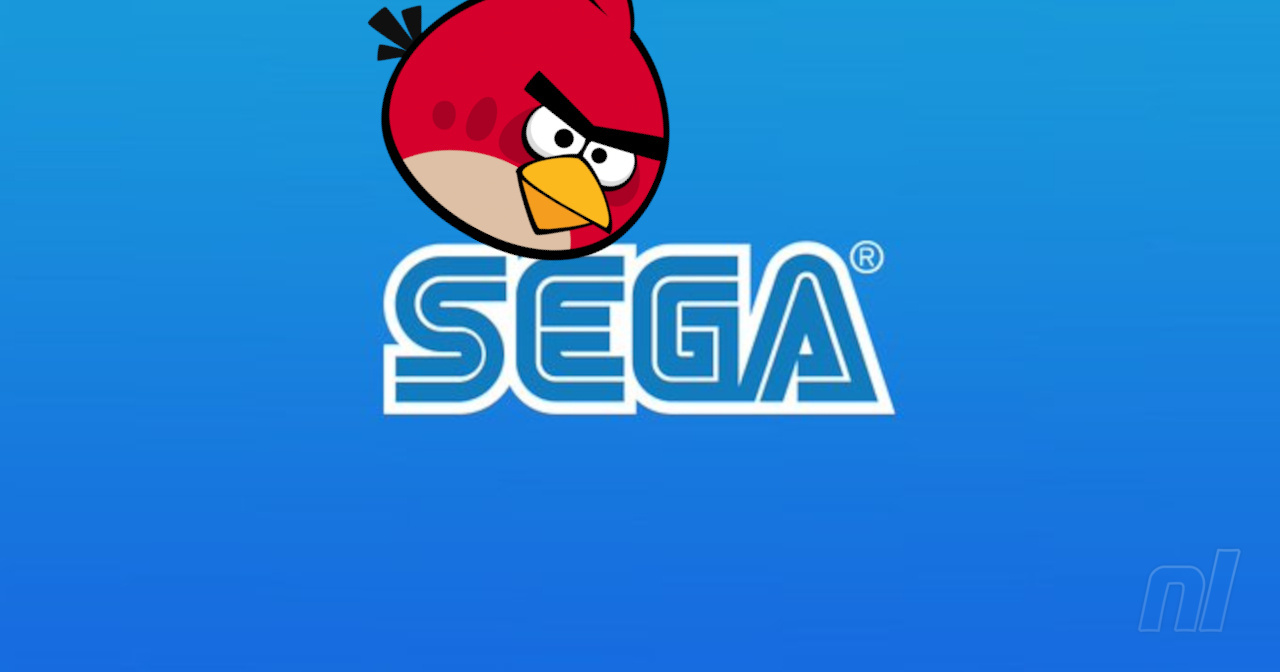
In a decisive move to strengthen its presence in the global mobile gaming sector, Sega has finalized the acquisition of Rovio Entertainment Oyj, the Finnish game developer best known for creating the iconic Angry Birds franchise.
The official announcement, posted on Sega's website, sets the purchase price at €706 million—equivalent to over $775 million at current exchange rates—cementing one of the most substantial mergers in recent mobile gaming history.
Sega, a powerhouse in the video game industry with a legacy that dates back to the arcade era and franchises like Sonic the Hedgehog, outlined its strategy in a public statement.
The company describes the acquisition as a "Global Expansion of the Consumer Business through Enhancement of Mobile Gaming Capabilities," highlighting the growing importance of mobile platforms alongside established console markets like the Nintendo Switch.
The deal comes after widespread speculation and rumors, with Sega's European arm spearheading the purchase.
Rovio shareholders will receive €9.25 per share, a significant premium above the April 14 closing price of €7.78 on the Nasdaq Helsinki.
This friendly takeover has the full endorsement of Rovio's board, which publicly expressed support for Sega’s tender offer.
According to Sega, the acquisition remains subject to standard antitrust reviews and is anticipated to close within the second quarter of Sega’s FY2024/3.
Rovio is globally recognized for launching Angry Birds in 2009, a mobile game that quickly became a cultural phenomenon and propelled the studio to international fame.
The Angry Birds brand expanded to encompass multiple sequels, spin-offs, cross-promotions such as the popular Star Wars iteration, and even a feature film.
Rovio’s proven expertise in designing successful mobile content will now complement Sega's rich portfolio of intellectual properties.
In an official communication, Sega emphasized its intent to leverage Rovio’s mobile development know-how, aiming to "bring Sega's current and new titles to the worldwide mobile gaming marketplace." The acquisition also introduces opportunities for Rovio to break into non-mobile gaming sectors—a move likely to benefit from Sega’s extensive experience on platforms including the Nintendo Switch and eShop.
This acquisition reflects a broader industry trend where established console and arcade publishers are aggressively expanding into mobile gaming.
By integrating Rovio’s mobile strengths with its own diverse catalog, Sega aims to reach new audiences and drive growth across multiple platforms.
The Sega-Rovio deal underscores both companies’ ambitions to innovate within an evolving landscape, blending best-in-class mobile development with the reach of historic gaming brands.
As the transaction progresses through regulatory approval, the industry watches closely to see how this partnership will redefine the future of mobile and cross-platform gaming.
In a decisive move to strengthen its presence in the global mobile gaming sector, Sega has finalized the acquisition of Rovio Entertainment Oyj, the Finnish game developer best known for creating the iconic Angry Birds franchise.
The official announcement, posted on Sega's website, sets the purchase price at €706 million—equivalent to over $775 million at current exchange rates—cementing one of the most substantial mergers in recent mobile gaming history.
Sega, a powerhouse in the video game industry with a legacy that dates back to the arcade era and franchises like Sonic the Hedgehog, outlined its strategy in a public statement.
The company describes the acquisition as a "Global Expansion of the Consumer Business through Enhancement of Mobile Gaming Capabilities," highlighting the growing importance of mobile platforms alongside established console markets like the Nintendo Switch.
The deal comes after widespread speculation and rumors, with Sega's European arm spearheading the purchase.
Rovio shareholders will receive €9.25 per share, a significant premium above the April 14 closing price of €7.78 on the Nasdaq Helsinki.
This friendly takeover has the full endorsement of Rovio's board, which publicly expressed support for Sega’s tender offer.
According to Sega, the acquisition remains subject to standard antitrust reviews and is anticipated to close within the second quarter of Sega’s FY2024/3.
Rovio is globally recognized for launching Angry Birds in 2009, a mobile game that quickly became a cultural phenomenon and propelled the studio to international fame.
The Angry Birds brand expanded to encompass multiple sequels, spin-offs, cross-promotions such as the popular Star Wars iteration, and even a feature film.
Rovio’s proven expertise in designing successful mobile content will now complement Sega's rich portfolio of intellectual properties.
In an official communication, Sega emphasized its intent to leverage Rovio’s mobile development know-how, aiming to "bring Sega's current and new titles to the worldwide mobile gaming marketplace." The acquisition also introduces opportunities for Rovio to break into non-mobile gaming sectors—a move likely to benefit from Sega’s extensive experience on platforms including the Nintendo Switch and eShop.
This acquisition reflects a broader industry trend where established console and arcade publishers are aggressively expanding into mobile gaming.
By integrating Rovio’s mobile strengths with its own diverse catalog, Sega aims to reach new audiences and drive growth across multiple platforms.
The Sega-Rovio deal underscores both companies’ ambitions to innovate within an evolving landscape, blending best-in-class mobile development with the reach of historic gaming brands.
As the transaction progresses through regulatory approval, the industry watches closely to see how this partnership will redefine the future of mobile and cross-platform gaming.