

Sega Sammy Holdings has unveiled its Q3 2025/26 financial results, presenting a complex picture of wins and setbacks across its diverse entertainment business. The headline development centers on Rovio, the renowned Finnish mobile developer behind Angry Birds, which Sega acquired in 2023. Amid volatility in the global mobile games market, Rovio’s recent performance has come under scrutiny, as it has "significantly missed initial projections due to rapid shifts in market conditions and intensified competition," according to Sega’s official disclosure.
In its quarterly report, Sega confirmed a substantial impairment loss of ¥30.4 billion (approximately $198.6 million USD) related to its Rovio acquisition. The company attributed these losses to escalating competition and the sharp downturn in active user numbers—a trend eroding Rovio's ability to execute on its original growth strategies. As Sega describes, “Rovio faced considerable challenges in progressing with its business plans as previously envisioned.”
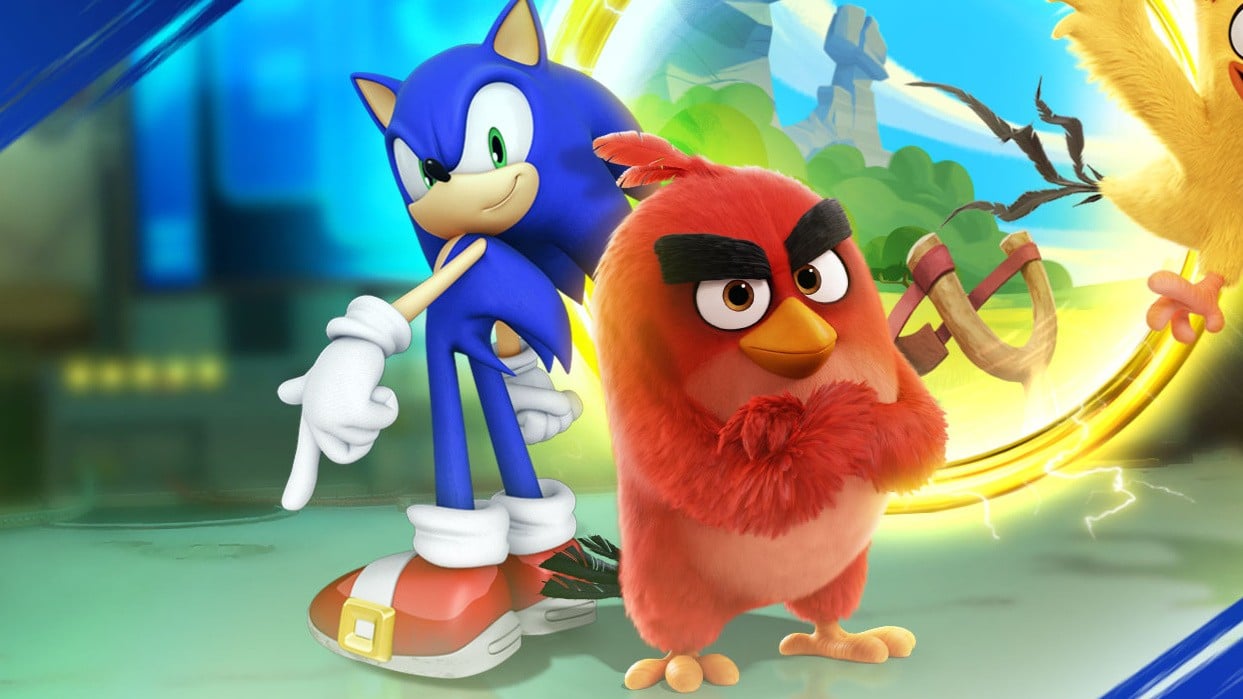
Operational headwinds were not limited to Rovio. Sega acknowledged that several game titles failed to hit internal performance milestones in the past quarter, with development delays and project cancellations further complicating the outlook. Notably, Sonic Rumble—a mobile title co-developed by Rovio—underperformed in customer acquisition metrics and did not meet Sega’s benchmarks for mobile growth.
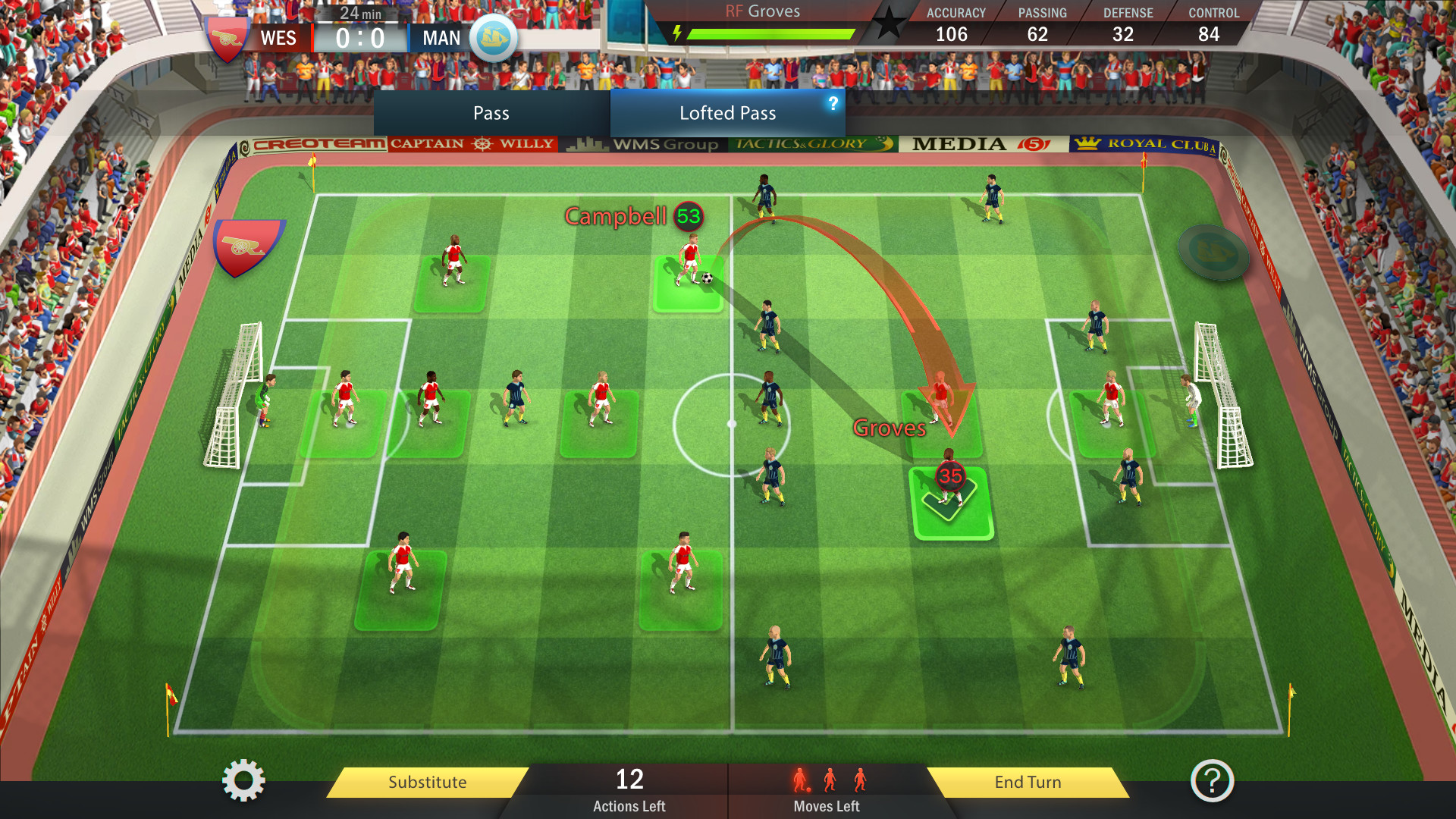
Despite a 4% year-on-year increase in net sales, Sega reported significant declines in other key areas: operating income plummeted by 54.6% and ordinary income dipped by 51.8%. The company’s Entertainment Contents segment—a core pillar encompassing console and mobile game sales on platforms like Nintendo Switch and the eShop—was down by 31%. Only two full titles, Persona 3 Reload (for Switch 2) and Football Manager 26, launched during the period. Football Manager 26 required post-launch updates to address bugs and improve its gameplay experience. Across Sega’s full game releases, the report characterized sales as showing "stagnant growth."
Looking ahead, Sega remains proactive. The company plans to introduce four major new titles based on its signature IPs in the coming fiscal year and will continue its drive to expand trans-media offerings—including television, film, and merchandise. As part of its organizational strategy, Sega announced the appointment of Daniel Svärd (formerly of King, the creator of Candy Crush) as Chief Operating Officer for Rovio, signaling a renewed focus on revitalizing its mobile business.
Reflecting the current challenges, Sega adjusted its financial forecasts, upping net sales projections to ¥490 billion ($3.2 billion) while lowering anticipated operating income to ¥40 billion ($261.5 million).
The recent releases of Yakuza Kiwami 3 & Dark Ties, along with the upcoming 35th anniversary of the Sonic the Hedgehog franchise in 2026, offer potential bright spots for the Japanese publisher. Sega’s future, particularly on platforms such as the Nintendo Switch and eShop, will likely depend on its ability to strengthen both mobile and console offerings while tapping into its iconic brands. For now, the focus remains firmly on addressing challenges, driving innovation, and delivering value to players and investors alike.
Sega Reports Significant Shortfall for Rovio Amid Mobile Market Challenges: Q3 2025/26 Earnings Breakdown
Nintendo News Hub
Game Pages Mentioned In This Article
Use these Nintendo Switch game pages to keep exploring the titles connected to this story, including related genres, developers, screenshots, and more coverage.
Related Topics
Explore more articles about these topics:
Source: NintendoSwitchLife