
SuperSega Project Faces Scrutiny Amidst Transparency and Refund Concerns
The retro gaming landscape has seen renewed excitement in recent years with the rise of FPGA-powered consoles, offering flawless hardware-level reproduction of classic systems such as the Master System, Mega Drive, Saturn, and Dreamcast.
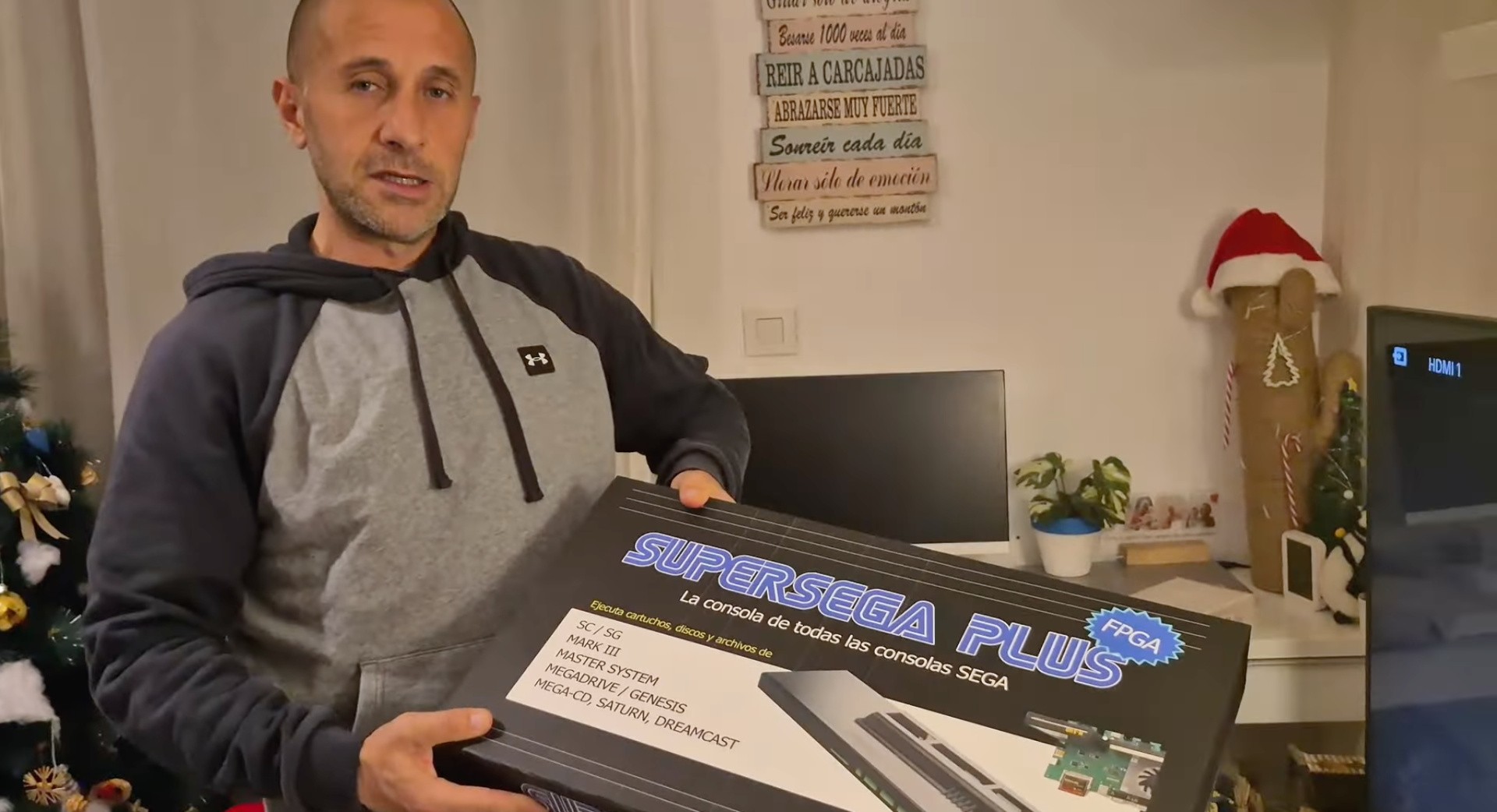
SuperSega, an ambitious project aiming to unify Sega’s iconic catalog under one robust console, initially generated significant buzz among retro enthusiasts.
Now, however, the project finds itself embroiled in controversy as demands for transparency clash with operational missteps and mounting skepticism.
Launched with the promise of delivering an all-in-one Sega super-console, the SuperSega project quickly captured the attention of collectors and nostalgic gamers alike.
The allure of experiencing Sega’s legendary library via accurate FPGA emulation sparked thousands of social media impressions and forum discussions.
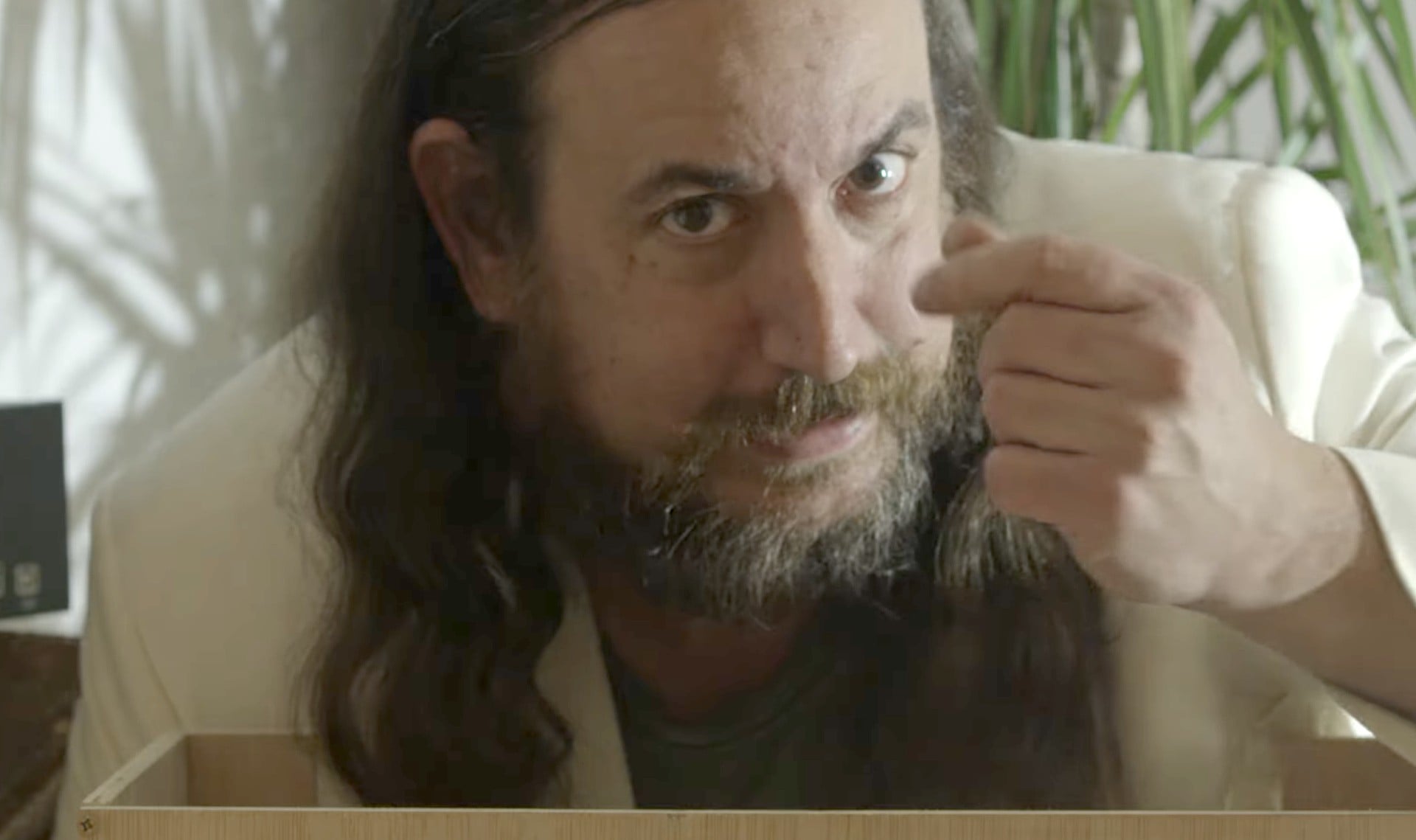
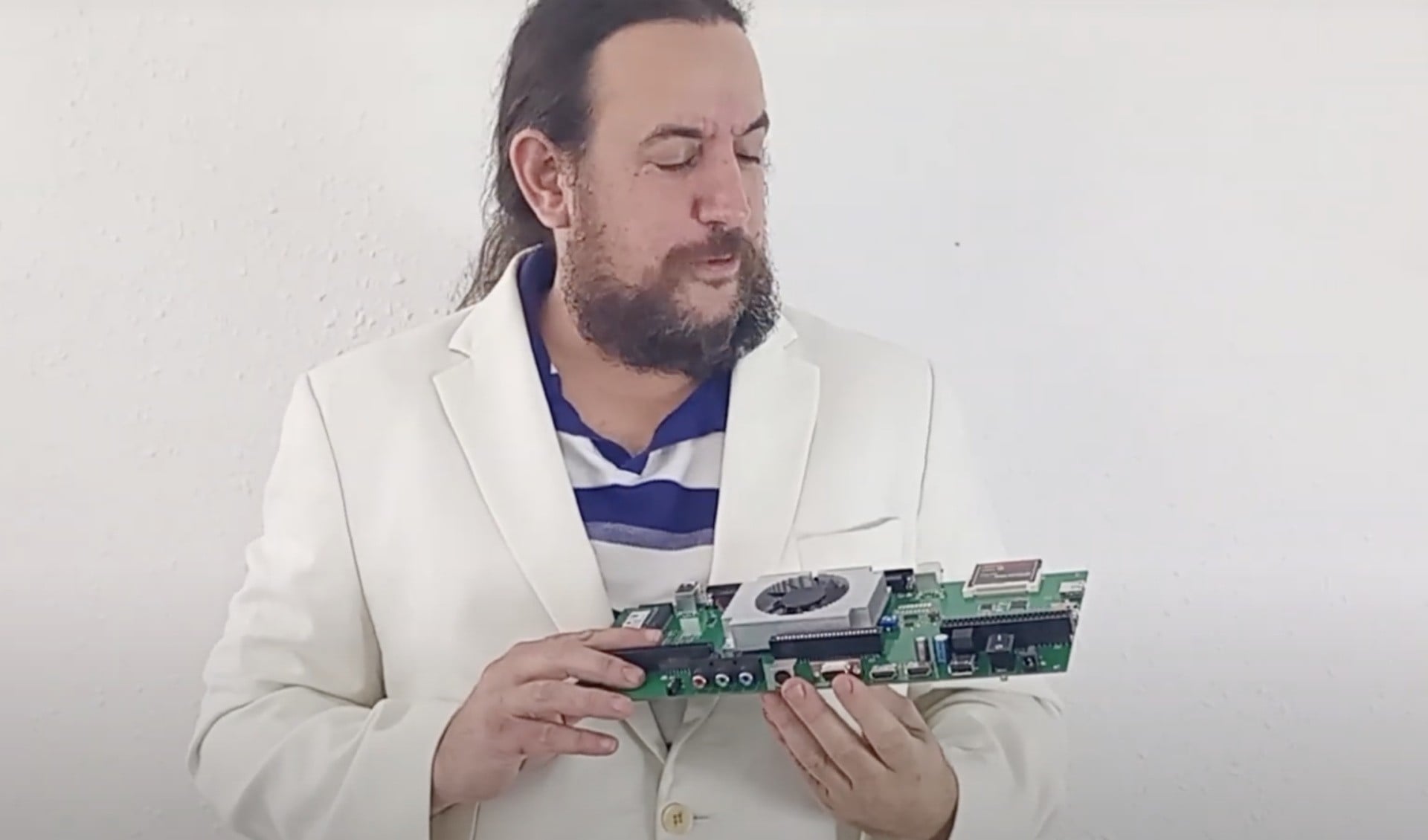
However, concern grew when backers noticed that the development team, led by Alejandro Martin, refrained from disclosing specific details about the prototype's internal architecture.
Such opacity fueled doubts within the already discerning retro hardware community.
Recent weeks have seen these concerns escalate.
Numerous supporters who placed deposits reported being fully charged the entire €420 pre-order price, despite the fact that the SuperSega hardware itself remains unproven and far from final production.
This development, coupled with perceived reluctance from the SuperSega team to share verifiable technical details, has resulted in accusations of misconduct by some members of the gaming community, who question the project’s legitimacy.
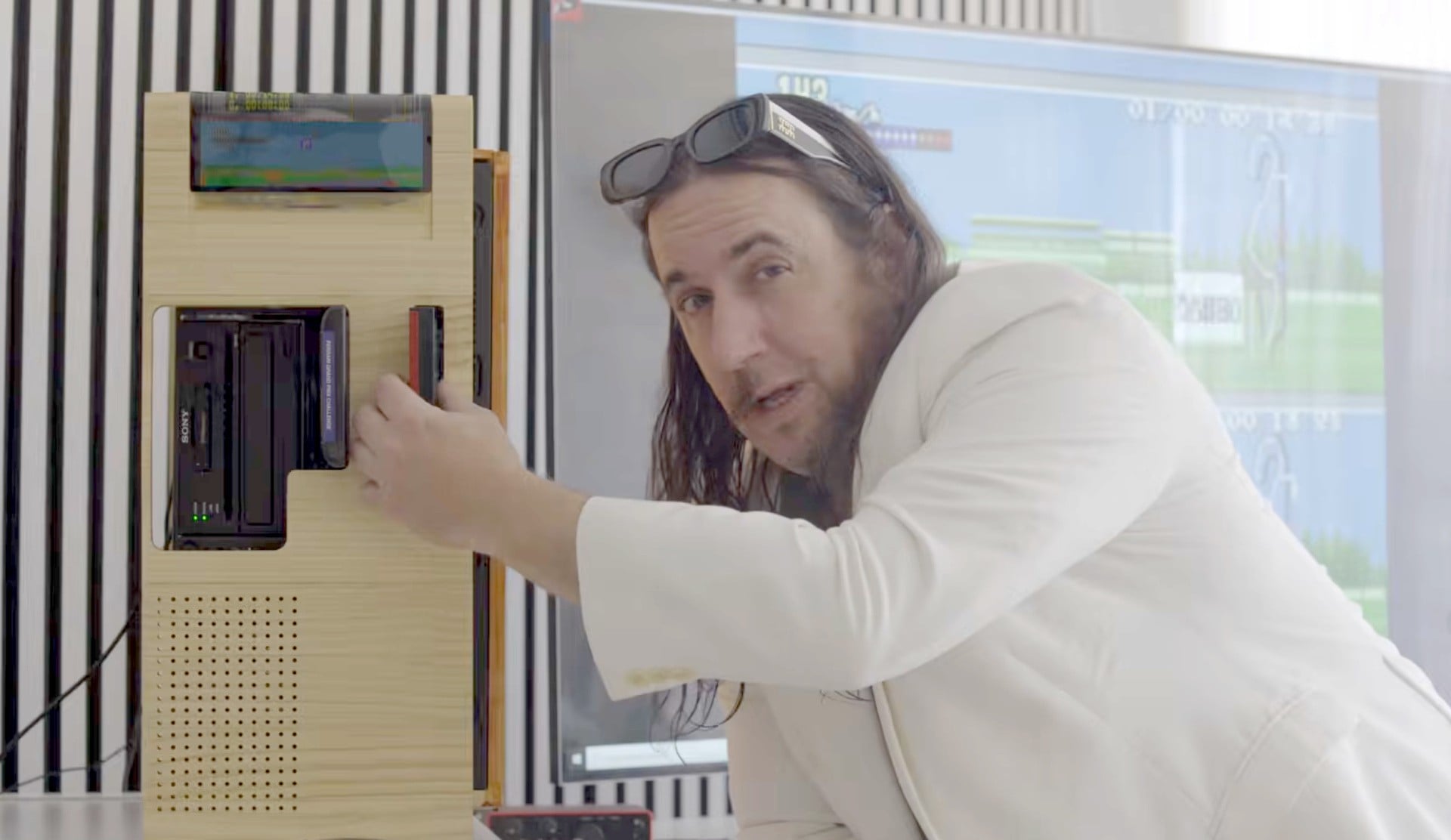
Attempting to address the growing unrest, SuperSega published a new demonstration video.
In this footage, the developers claim to have sent two prototype units to enthusiasts for independent review.
Notable, however, is that both reviews feature identical games, raising suspicion that a single prototype unit may have been passed between reviewers.
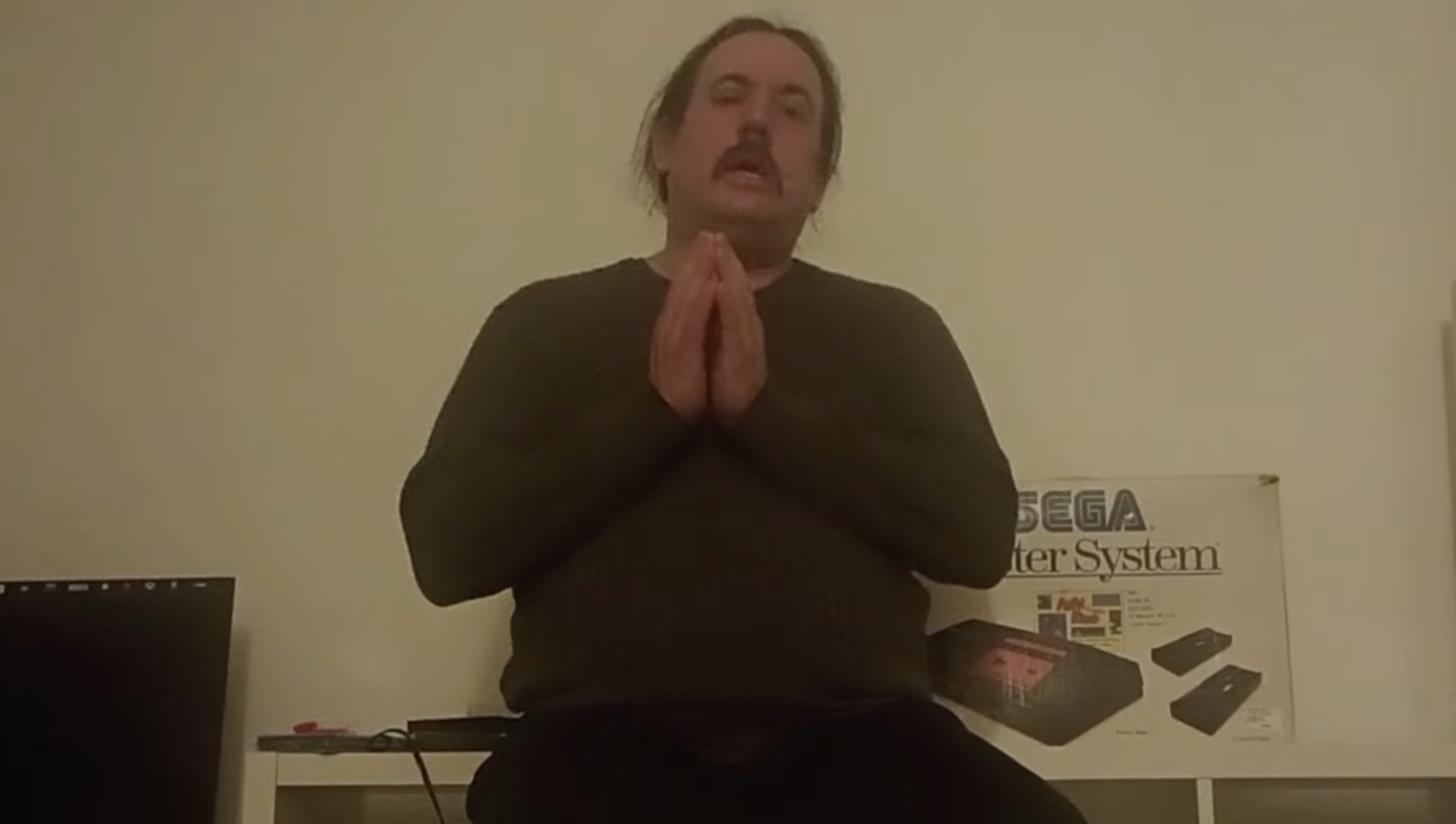
During one segment, a young viewer inquires whether the SuperSega console is underperforming due to system crashes and silent failures during gameplay.
The reviewer, noticeably anxious and conscious of the developer’s presence, assures viewers that the system operates as intended, though multiple glaring technical issues—such as absent audio and frequent crashes of the Mega Drive core—are on display.
Despite assertions of impartiality, the presence of Alejandro Martin overseeing the review footage invites additional scrutiny.
Editing anomalies and the use of Sega’s official Saturn BIOS in the demonstration violate copyright agreements and undermine confidence in the project’s legal and technical standing.
The SuperSega team, in its public relations communications, emphasizes that these demonstrations represent early prototypes and that production units will be improved by a third-party manufacturer.
They affirm, “Within a few days we will launch an Indiegogo or Kickstarter campaign.
The videos presented are final reviews of these prototypes.” The team further acknowledges potential difficulties ahead, stating, “We may soon have bad news, but nothing is confirmed at this time.
If so, we will keep you updated.”
While the SuperSega project initially inspired hope for a modern, high-fidelity Sega console, its uneven rollout and worrying signals have prompted calls for caution throughout the gaming industry.
Transparency, consumer trust, and respect for intellectual property are core tenets underpinning dependable game development and hardware launches.
SuperSega’s future will hinge on its ability to address these issues, deliver on its ambitious promises, and restore faith among retro gaming aficionados.
The retro gaming landscape has seen renewed excitement in recent years with the rise of FPGA-powered consoles, offering flawless hardware-level reproduction of classic systems such as the Master System, Mega Drive, Saturn, and Dreamcast.
SuperSega, an ambitious project aiming to unify Sega’s iconic catalog under one robust console, initially generated significant buzz among retro enthusiasts.
Now, however, the project finds itself embroiled in controversy as demands for transparency clash with operational missteps and mounting skepticism.
Launched with the promise of delivering an all-in-one Sega super-console, the SuperSega project quickly captured the attention of collectors and nostalgic gamers alike.
The allure of experiencing Sega’s legendary library via accurate FPGA emulation sparked thousands of social media impressions and forum discussions.
However, concern grew when backers noticed that the development team, led by Alejandro Martin, refrained from disclosing specific details about the prototype's internal architecture.
Such opacity fueled doubts within the already discerning retro hardware community.
Recent weeks have seen these concerns escalate.
Numerous supporters who placed deposits reported being fully charged the entire €420 pre-order price, despite the fact that the SuperSega hardware itself remains unproven and far from final production.
This development, coupled with perceived reluctance from the SuperSega team to share verifiable technical details, has resulted in accusations of misconduct by some members of the gaming community, who question the project’s legitimacy.
Attempting to address the growing unrest, SuperSega published a new demonstration video.
In this footage, the developers claim to have sent two prototype units to enthusiasts for independent review.
Notable, however, is that both reviews feature identical games, raising suspicion that a single prototype unit may have been passed between reviewers.
During one segment, a young viewer inquires whether the SuperSega console is underperforming due to system crashes and silent failures during gameplay.
The reviewer, noticeably anxious and conscious of the developer’s presence, assures viewers that the system operates as intended, though multiple glaring technical issues—such as absent audio and frequent crashes of the Mega Drive core—are on display.
Despite assertions of impartiality, the presence of Alejandro Martin overseeing the review footage invites additional scrutiny.
Editing anomalies and the use of Sega’s official Saturn BIOS in the demonstration violate copyright agreements and undermine confidence in the project’s legal and technical standing.
The SuperSega team, in its public relations communications, emphasizes that these demonstrations represent early prototypes and that production units will be improved by a third-party manufacturer.
They affirm, “Within a few days we will launch an Indiegogo or Kickstarter campaign.
The videos presented are final reviews of these prototypes.” The team further acknowledges potential difficulties ahead, stating, “We may soon have bad news, but nothing is confirmed at this time.
If so, we will keep you updated.”
While the SuperSega project initially inspired hope for a modern, high-fidelity Sega console, its uneven rollout and worrying signals have prompted calls for caution throughout the gaming industry.
Transparency, consumer trust, and respect for intellectual property are core tenets underpinning dependable game development and hardware launches.
SuperSega’s future will hinge on its ability to address these issues, deliver on its ambitious promises, and restore faith among retro gaming aficionados.