
Veteran game designer Tim Cain, renowned as the creator of Fallout and a pivotal figure at Interplay, Troika, and Obsidian, has cultivated a significant following on his YouTube channel by sharing practical insights into RPG development and the intricacies of game design.
His concise videos—frequently spanning 10 to 15 minutes—have become a foundational resource for both aspiring developers and longtime fans of his work, offering a rare glimpse into the challenges and philosophies that have shaped some of gaming’s most influential role-playing titles.
In his most recent video, Cain revisits a familiar topic for RPG enthusiasts: the polarizing nature of escort quests.
Building on a previous episode where he famously called them 'an RPG feature nobody asked for,' Cain clarifies why these missions are so often maligned by players and difficult to implement effectively.
Summarizing his earlier position, Cain points out common player frustrations—such as losing track of an NPC, awkward AI behavior, and unpredictable mission failure when the player and their charge stray too far apart.
Cain noted, 'I find it difficult to imagine that a designer who created an escort quest has never experienced one firsthand, or found them to be enjoyable.
The only explanation is that they either haven't played RPGs, or mistakenly believed escort quests could be fun, which rarely turns out to be the case.'
The channel's audience responded with a popular suggestion: transform the NPC being escorted into a temporary companion.
However, in his latest video, Cain breaks down the complications this approach introduces.
He highlights new factors developers must consider, such as companion AI behaviors, party size limits, and the logistics of reintegrating or removing temporary companions from the player's group.
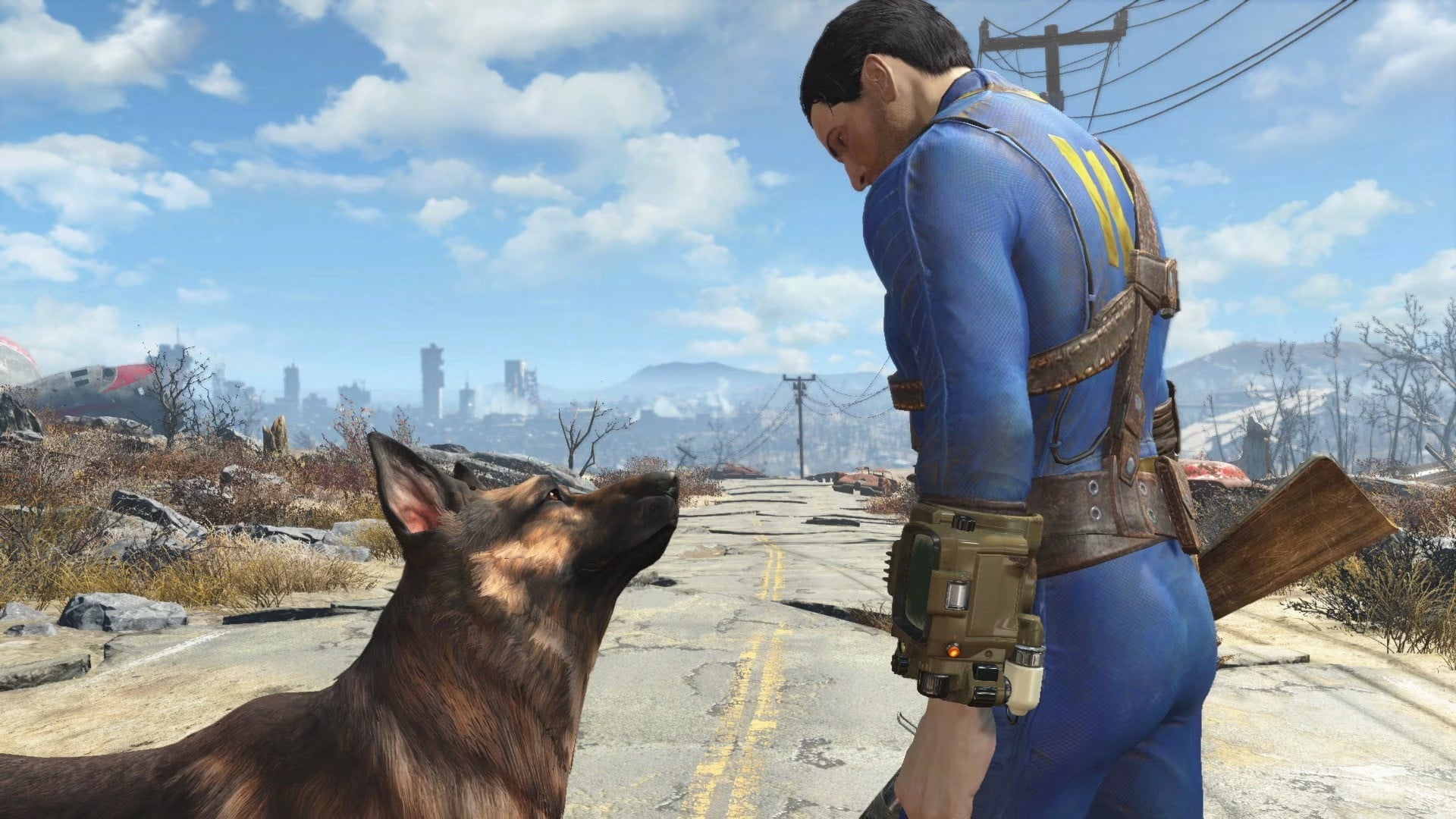
Recalling his own experience from the original Fallout, Cain referenced the character Tandi—a mission where rescuing her from the Raiders could inadvertently allow players to keep her as a companion indefinitely if they never returned her to Shady Sands.
'We thought this was a smart fix, but it just introduced more companions than we intended and amplified existing AI issues.
Reviews of Fallout often point out companion AI problems.
Adding more companions only made those worse,' he explained.
Cain further challenges the idea of addressing escort quest issues with timed objectives, warning that such fixes often convert a disliked quest type into another form equally unpopular with players.
'When you add a timer, you’re not solving the problem.
You’re simply swapping out one frustration for another, as timed quests tend to be even more widely disliked,' he summarized.
Ultimately, Cain asserts that game design is about making conscious, well-considered trade-offs.
He advises developers to ask themselves which potential solution aligns best with their design pillars and will cause the least annoyance among their audience.
In his closing remarks, Cain emphasizes, 'You don’t always need to include escort or timed quests—they can be left out entirely if they can't be done well.'
Tim Cain’s candid dissection of this age-old design conundrum, grounded in decades of RPG development experience, underscores the nuanced and often challenging decisions behind beloved games like Fallout.
His insights remind the industry that sometimes, less is more—especially when it comes to much-maligned features such as escort missions.
His concise videos—frequently spanning 10 to 15 minutes—have become a foundational resource for both aspiring developers and longtime fans of his work, offering a rare glimpse into the challenges and philosophies that have shaped some of gaming’s most influential role-playing titles.
In his most recent video, Cain revisits a familiar topic for RPG enthusiasts: the polarizing nature of escort quests.
Building on a previous episode where he famously called them 'an RPG feature nobody asked for,' Cain clarifies why these missions are so often maligned by players and difficult to implement effectively.
Summarizing his earlier position, Cain points out common player frustrations—such as losing track of an NPC, awkward AI behavior, and unpredictable mission failure when the player and their charge stray too far apart.
Cain noted, 'I find it difficult to imagine that a designer who created an escort quest has never experienced one firsthand, or found them to be enjoyable.
The only explanation is that they either haven't played RPGs, or mistakenly believed escort quests could be fun, which rarely turns out to be the case.'
The channel's audience responded with a popular suggestion: transform the NPC being escorted into a temporary companion.
However, in his latest video, Cain breaks down the complications this approach introduces.
He highlights new factors developers must consider, such as companion AI behaviors, party size limits, and the logistics of reintegrating or removing temporary companions from the player's group.
Recalling his own experience from the original Fallout, Cain referenced the character Tandi—a mission where rescuing her from the Raiders could inadvertently allow players to keep her as a companion indefinitely if they never returned her to Shady Sands.
'We thought this was a smart fix, but it just introduced more companions than we intended and amplified existing AI issues.
Reviews of Fallout often point out companion AI problems.
Adding more companions only made those worse,' he explained.
Cain further challenges the idea of addressing escort quest issues with timed objectives, warning that such fixes often convert a disliked quest type into another form equally unpopular with players.
'When you add a timer, you’re not solving the problem.
You’re simply swapping out one frustration for another, as timed quests tend to be even more widely disliked,' he summarized.
Ultimately, Cain asserts that game design is about making conscious, well-considered trade-offs.
He advises developers to ask themselves which potential solution aligns best with their design pillars and will cause the least annoyance among their audience.
In his closing remarks, Cain emphasizes, 'You don’t always need to include escort or timed quests—they can be left out entirely if they can't be done well.'
Tim Cain’s candid dissection of this age-old design conundrum, grounded in decades of RPG development experience, underscores the nuanced and often challenging decisions behind beloved games like Fallout.
His insights remind the industry that sometimes, less is more—especially when it comes to much-maligned features such as escort missions.