
Richard Honeywood is a leading figure in game localization, well-known for his influential roles at Seibu Kaihatsu, Blizzard, and most notably Square Enix.
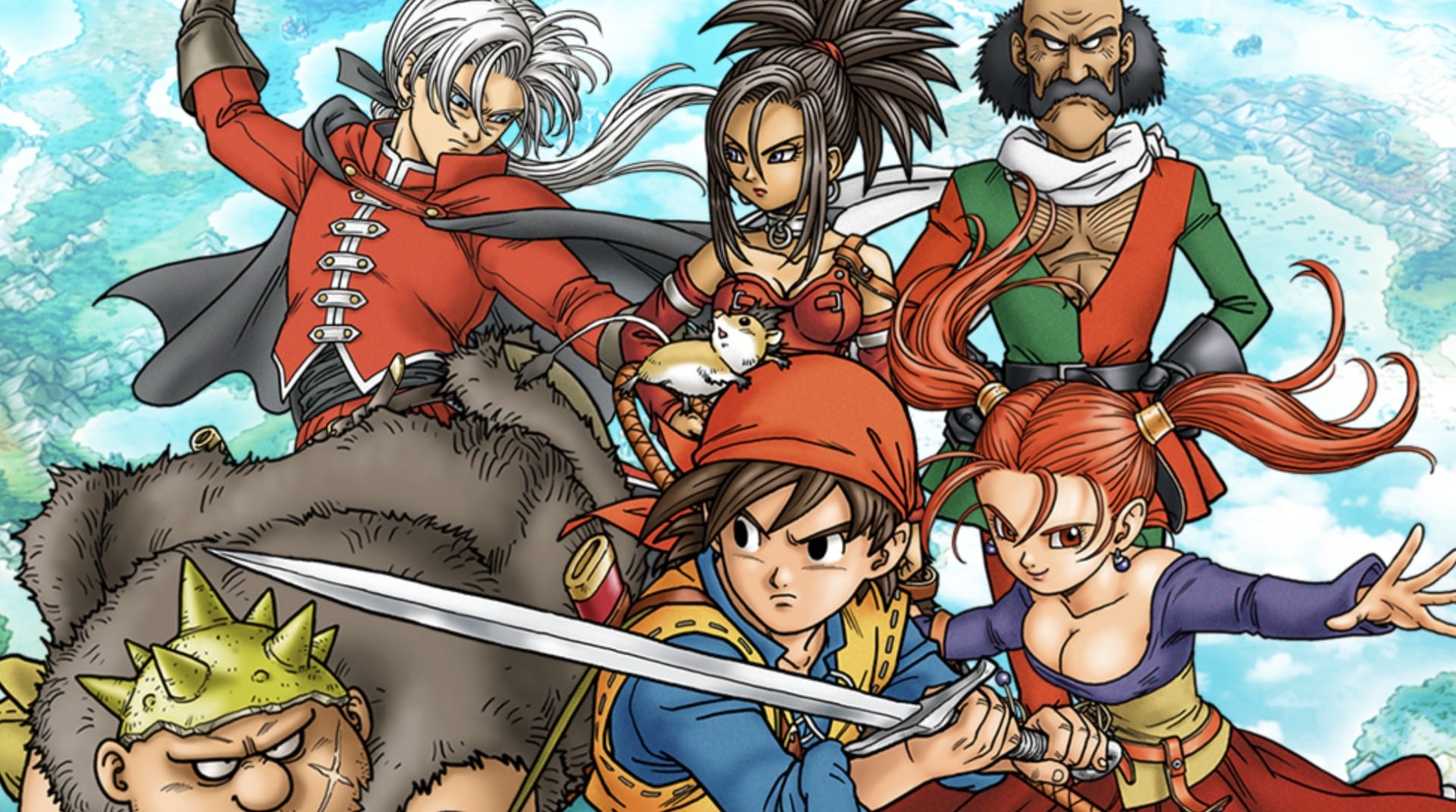
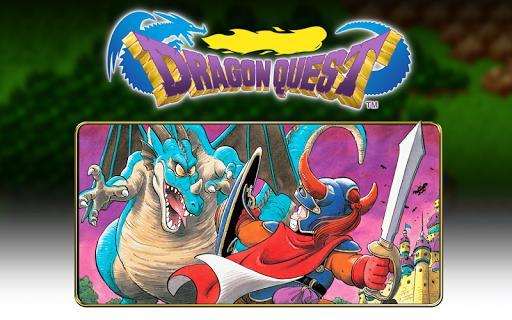
His legacy includes pivotal work on major titles such as Dragon Quest VIII, the first mainline entry in the storied RPG franchise to introduce voice acting—a significant milestone for Square Enix and the Dragon Quest series, which has captivated players worldwide through generations of Nintendo hardware, including recent re-releases on the Nintendo Switch and eShop.
When tasked with overseeing the English localization for Dragon Quest VIII, Honeywood aimed to set the series apart from Square Enix's other flagship RPG, Final Fantasy.
While Final Fantasy’s Western releases often leaned on American English and cyberpunk motifs, Dragon Quest, by contrast, reveled in traditional fantasy roots.
Honeywood explained that early translations, especially on the NES, aimed for a faux-Shakespearean flavor, albeit crafted by American translators.
"Given Dragon Quest's whimsical tone and lighthearted fantasy, British humour seemed an ideal cultural fit," Honeywood noted in a recent interview.
This approach, however, was met with resistance.
According to Honeywood, Square Enix’s American team struggled to embrace British-style humor and language, believing it wouldn’t resonate with U.S. players.
Internal opposition was strong, with figures like Yutaka Sano expressing concern that British English could negatively impact sales in North America.
Ultimately, Honeywood negotiated a compromise: a "British English lite" approach, selectively blending British phrasing and punctuation while avoiding overt British spelling.
As Honeywood recounts, "We couldn’t use the word 'colour' because of the 'u,' so we used alternatives like 'hue' instead."
The translation team composition was another site of compromise.
While Honeywood hoped to staff the project with British English specialists to better capture the series’ comedic and quirky essence, U.S. oversight required that at least one American contributor be present to ensure accessibility for a broader audience.
This led to the involvement of Matt Alt, a veteran editor from the Dragon Quest VII localization, who served as a vital cultural barometer and helped elevate humorous moments that needed to resonate equally for American players.
"Whenever we included jokes, we’d check if Matt understood them," Honeywood said, highlighting that character dynamics—such as the overtly American duo, Cash and Carrie—were collaboratively crafted with both local and Western sensibilities in mind.
Despite these challenges, Honeywood successfully integrated talents like Morgan Rushton and Oli Chance, who would go on to found Shloc, now recognized as a top UK translation firm whose credits include industry giants like Death Stranding and Final Fantasy XVI.
Plus Alpha, a translation duo renowned for their quirky humor, also contributed significantly, strengthening the transatlantic creative process.
Honeywood’s careful navigation through linguistic preferences and regional humor not only defined Dragon Quest VIII’s unique Western identity but also set new standards for Square Enix localization, influencing how games are adapted for a global audience.
The legacy of this ‘British English lite’ approach continues to shape the series’ voice—a testament to the pivotal role of localization in shaping the global perception and success of legendary franchises now thriving on platforms such as the Nintendo Switch and digital storefronts like the eShop.
His legacy includes pivotal work on major titles such as Dragon Quest VIII, the first mainline entry in the storied RPG franchise to introduce voice acting—a significant milestone for Square Enix and the Dragon Quest series, which has captivated players worldwide through generations of Nintendo hardware, including recent re-releases on the Nintendo Switch and eShop.
When tasked with overseeing the English localization for Dragon Quest VIII, Honeywood aimed to set the series apart from Square Enix's other flagship RPG, Final Fantasy.
While Final Fantasy’s Western releases often leaned on American English and cyberpunk motifs, Dragon Quest, by contrast, reveled in traditional fantasy roots.
Honeywood explained that early translations, especially on the NES, aimed for a faux-Shakespearean flavor, albeit crafted by American translators.
"Given Dragon Quest's whimsical tone and lighthearted fantasy, British humour seemed an ideal cultural fit," Honeywood noted in a recent interview.
This approach, however, was met with resistance.
According to Honeywood, Square Enix’s American team struggled to embrace British-style humor and language, believing it wouldn’t resonate with U.S. players.
Internal opposition was strong, with figures like Yutaka Sano expressing concern that British English could negatively impact sales in North America.
Ultimately, Honeywood negotiated a compromise: a "British English lite" approach, selectively blending British phrasing and punctuation while avoiding overt British spelling.
As Honeywood recounts, "We couldn’t use the word 'colour' because of the 'u,' so we used alternatives like 'hue' instead."
The translation team composition was another site of compromise.
While Honeywood hoped to staff the project with British English specialists to better capture the series’ comedic and quirky essence, U.S. oversight required that at least one American contributor be present to ensure accessibility for a broader audience.
This led to the involvement of Matt Alt, a veteran editor from the Dragon Quest VII localization, who served as a vital cultural barometer and helped elevate humorous moments that needed to resonate equally for American players.
"Whenever we included jokes, we’d check if Matt understood them," Honeywood said, highlighting that character dynamics—such as the overtly American duo, Cash and Carrie—were collaboratively crafted with both local and Western sensibilities in mind.
Despite these challenges, Honeywood successfully integrated talents like Morgan Rushton and Oli Chance, who would go on to found Shloc, now recognized as a top UK translation firm whose credits include industry giants like Death Stranding and Final Fantasy XVI.
Plus Alpha, a translation duo renowned for their quirky humor, also contributed significantly, strengthening the transatlantic creative process.
Honeywood’s careful navigation through linguistic preferences and regional humor not only defined Dragon Quest VIII’s unique Western identity but also set new standards for Square Enix localization, influencing how games are adapted for a global audience.
The legacy of this ‘British English lite’ approach continues to shape the series’ voice—a testament to the pivotal role of localization in shaping the global perception and success of legendary franchises now thriving on platforms such as the Nintendo Switch and digital storefronts like the eShop.