Yasunori Mitsuda, best known for composing Chrono Trigger, has stoked renewed discussion about the direction of the Dragon Quest franchise after a recent blog post in which he questioned whether the series can continue without the defining influence of Akira Toriyama.
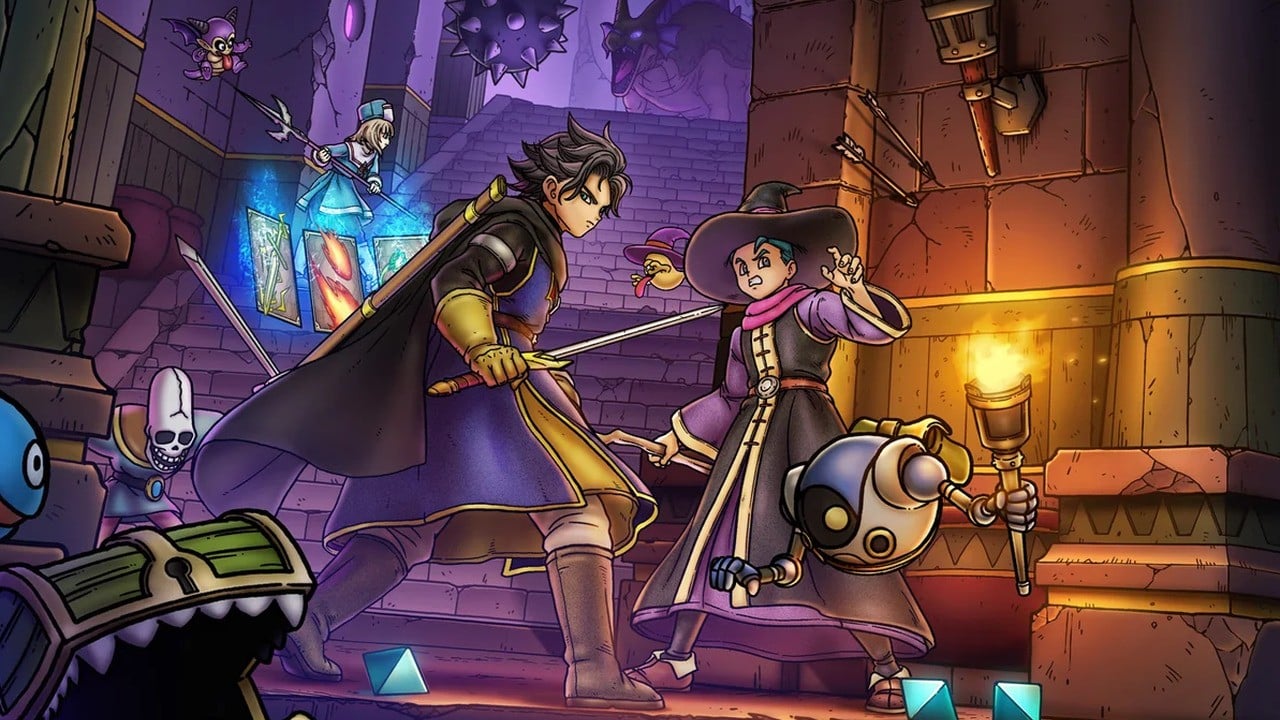
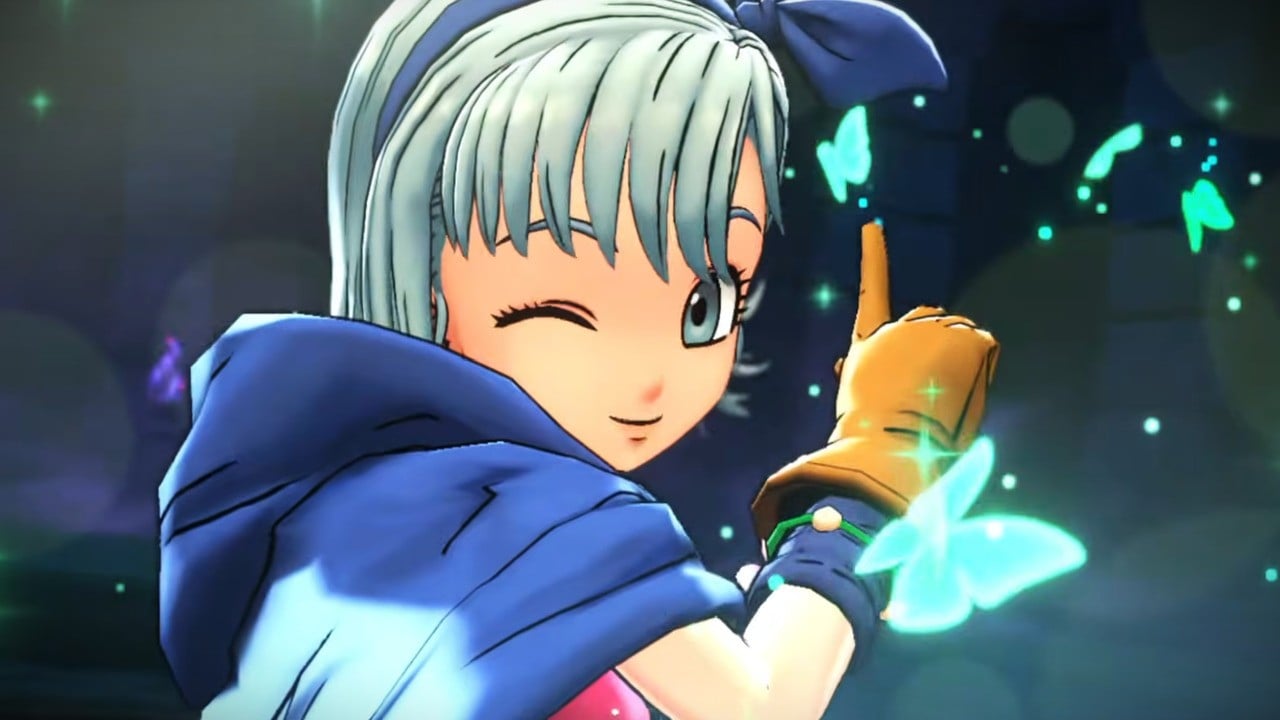
Mitsuda’s commentary arrived amid conversation around a newly released mobile title whose character illustrations drew frequent comparisons to Toriyama’s long-established style.
In his post, Mitsuda argued that attempting to reproduce Toriyama’s signature look may not serve the artist’s fans or the franchise.
He suggested that when stylistic imitation replaces genuine creative progress, it may be time to consider ending a long-running series so the original creator — Yuji Horii — can pursue a new RPG project, noting the current industry prevalence of remakes.
Rewriting Mitsuda’s key statement in journalistic terms: he warned that continuing to emulate Toriyama’s visual identity risks undermining the franchise’s creative vitality, and that if creators find they can no longer produce truly original work within that framework, a deliberate conclusion to the series and a fresh start for its creator could be the responsible path.
The remarks underscore how central Toriyama’s art has been to Dragon Quest’s brand.
Toriyama’s character designs have shaped the series since its inception by Yuji Horii, and Dragon Quest remains a flagship property for Square Enix.
Mitsuda himself is an established figure in Japanese game music, and his views carry weight in industry discussions about legacy IP and artistic stewardship.
Online reaction included speculation that generative AI might have been used to produce the mobile title’s art.
Multiple outlets and commentators have noted that, as of now, no verifiable evidence has been presented to confirm AI involvement in that release.
Developers and publishers regularly address such questions publicly when there is confirmed use of new tools, and Square Enix has an established history as the primary publisher and steward of the Dragon Quest franchise.
Mitsuda’s blog has sparked a broader conversation about how veteran franchises balance homage, artistic continuity, and innovation — particularly as Dragon Quest reaches new platforms including mobile and continues to appear on consoles such as the Nintendo Switch and digital storefronts like the eShop.
Given the series’ enduring popularity in Japan and worldwide, debates about creative direction and the role of iconic contributors will likely continue among fans and industry observers.