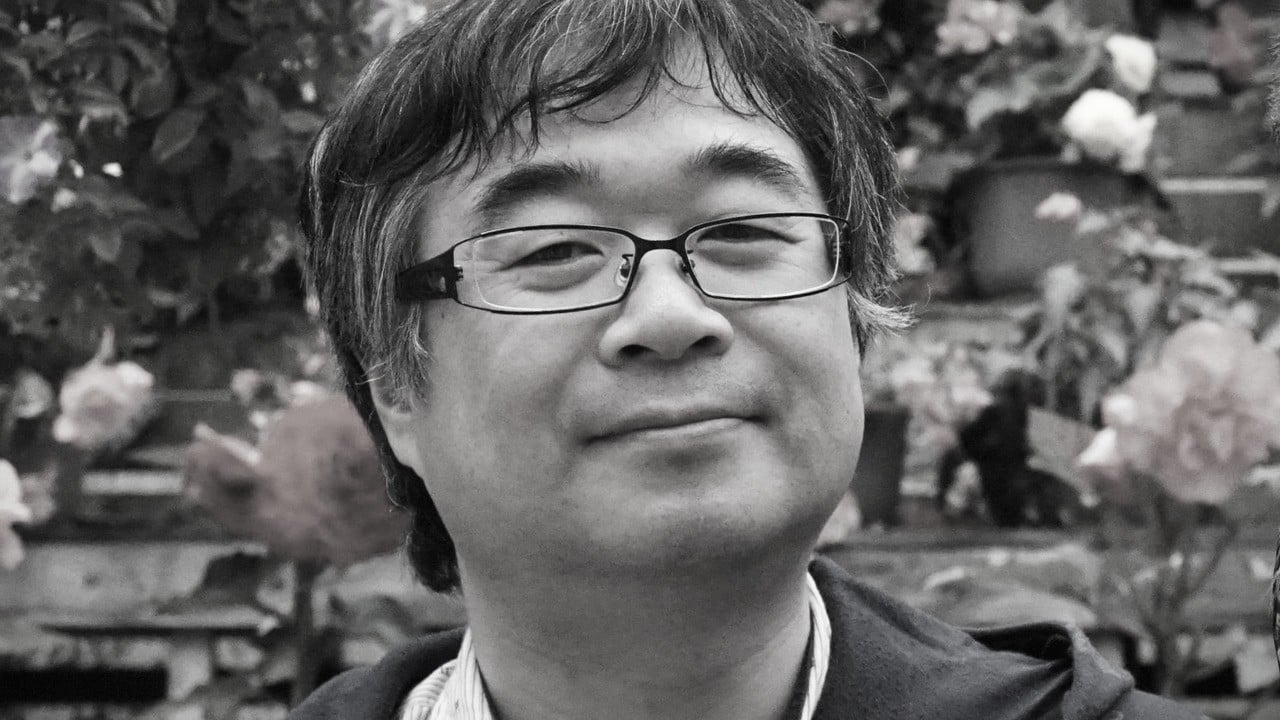
Yasunori Mitsuda, the celebrated composer best known for his work on Chrono Trigger, has publicly questioned the future direction of Square Enix’s Dragon Quest franchise following the death of long-time character designer Akira Toriyama in 2024.
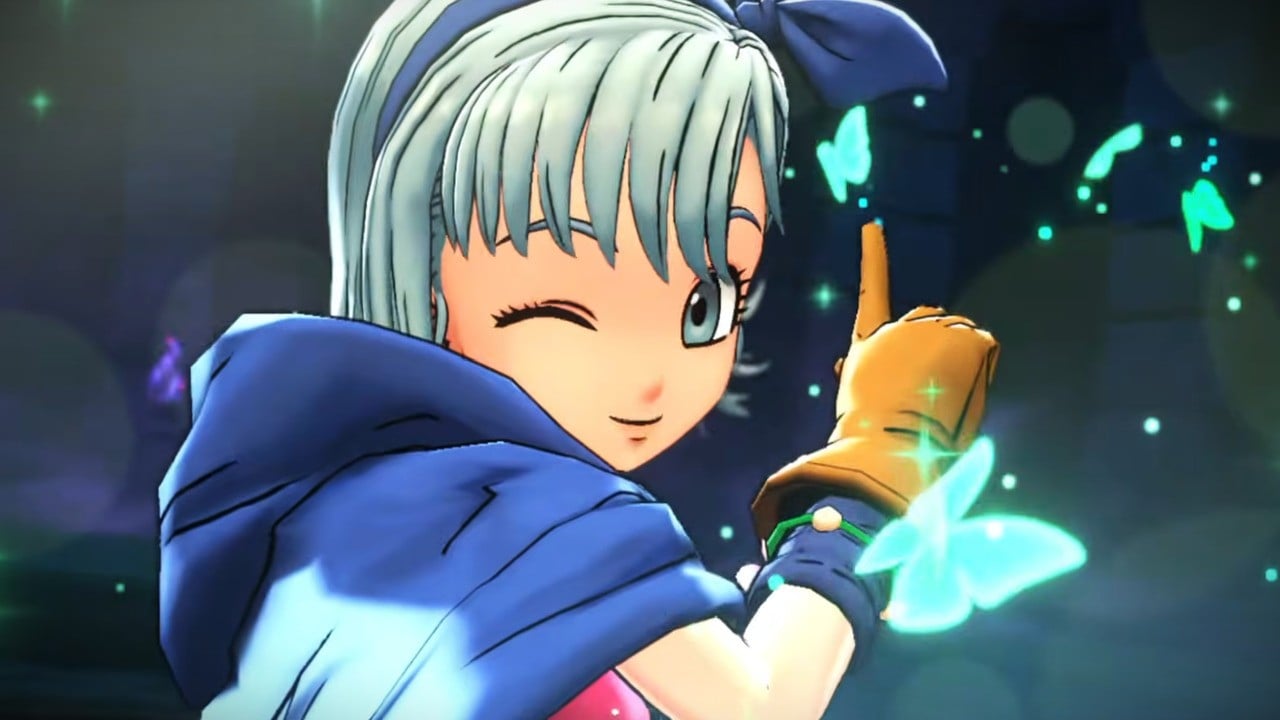
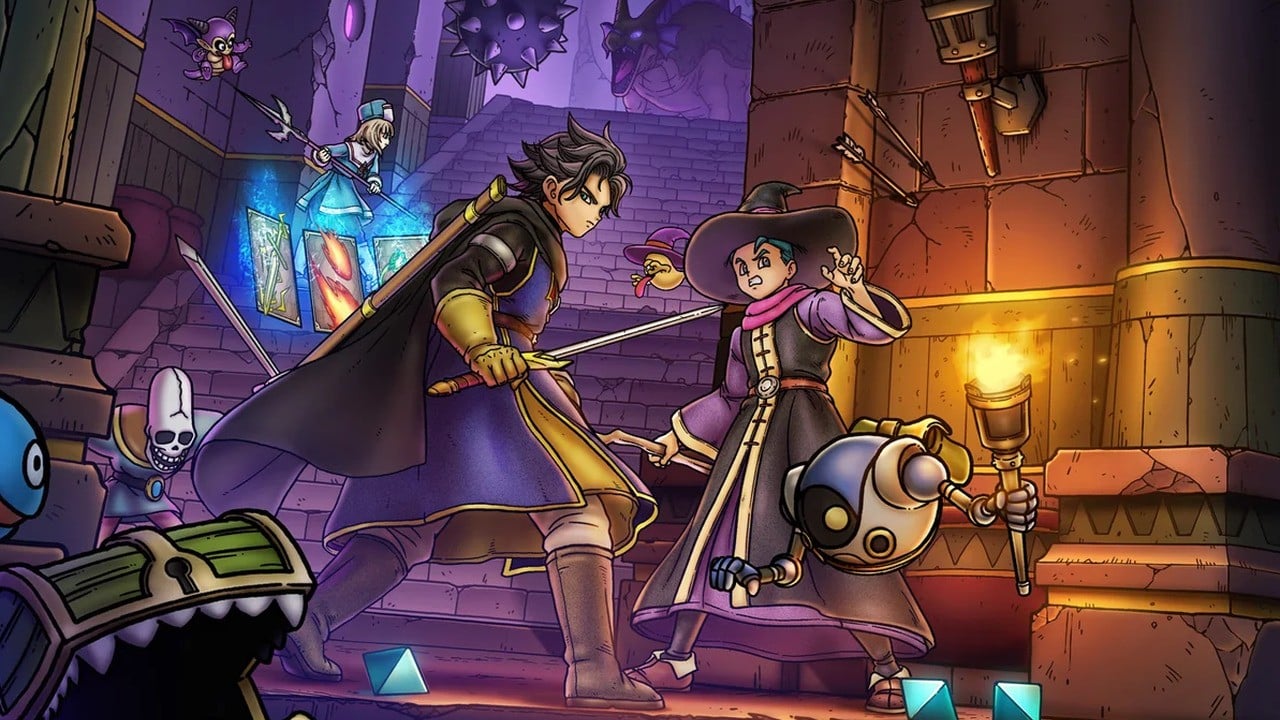
Mitsuda’s comments were posted on his personal website and picked up by outlets such as Power Up Gaming after Square Enix announced a new mobile spin-off, Dragon Quest RPG: The Cursed Tree And the Chosen Isle, which features a protagonist drawn in Toriyama’s signature style.
Background and context
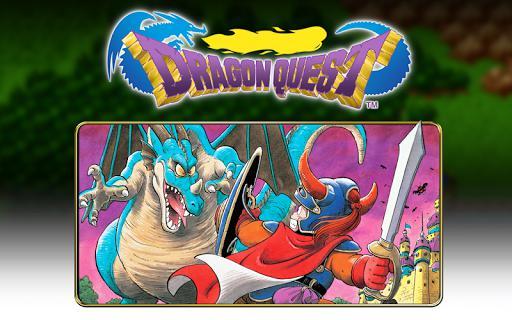
Dragon Quest, created by Yuji Horii and first released by Enix in 1986, is one of Japan’s most enduring role-playing game franchises.
Akira Toriyama served as the series’ principal character designer for decades and was also the creator of Dragon Ball.
Toriyama’s art has been widely recognized as an integral part of Dragon Quest’s visual identity.
Yasunori Mitsuda, who collaborated with Toriyama on the SNES-era classic Chrono Trigger, has now weighed in on how the series should proceed without Toriyama’s direct involvement.
Mitsuda’s concerns, rewritten for clarity
Mitsuda expressed that he does not believe continuing to produce Toriyama-styled illustrations after Toriyama’s passing is the right course for the artist, for fans of Toriyama’s work, or for Toriyama’s legacy.
He wrote that, in his view, it may be appropriate to bring the Dragon Quest series to a close and allow creator Yuji Horii the opportunity to pursue a new RPG direction, rather than relying on further remakes or derivative artwork.
Reporting on the announcement
Square Enix’s newly announced mobile title, Dragon Quest RPG: The Cursed Tree And the Chosen Isle, has reignited conversation about visual continuity and legacy.
Online speculation has circulated regarding whether generative AI played a role in the new character images; those claims remain unproven and have not been substantiated by Square Enix.
What this means for the franchise
Mitsuda framed his comments around preserving a creative legacy: he said his primary wish is that future generations of players continue to experience games that provide dreams, hope and unique interactive experiences.
Dragon Quest continues to be a commercially significant series for Square Enix and has historically appeared across platforms including Nintendo hardware and digital storefronts such as the Nintendo eShop.
Mitsuda’s intervention adds a high-profile voice to an ongoing industry discussion about authorship, artistic continuity and how legacy franchises evolve after the loss of a defining creator.