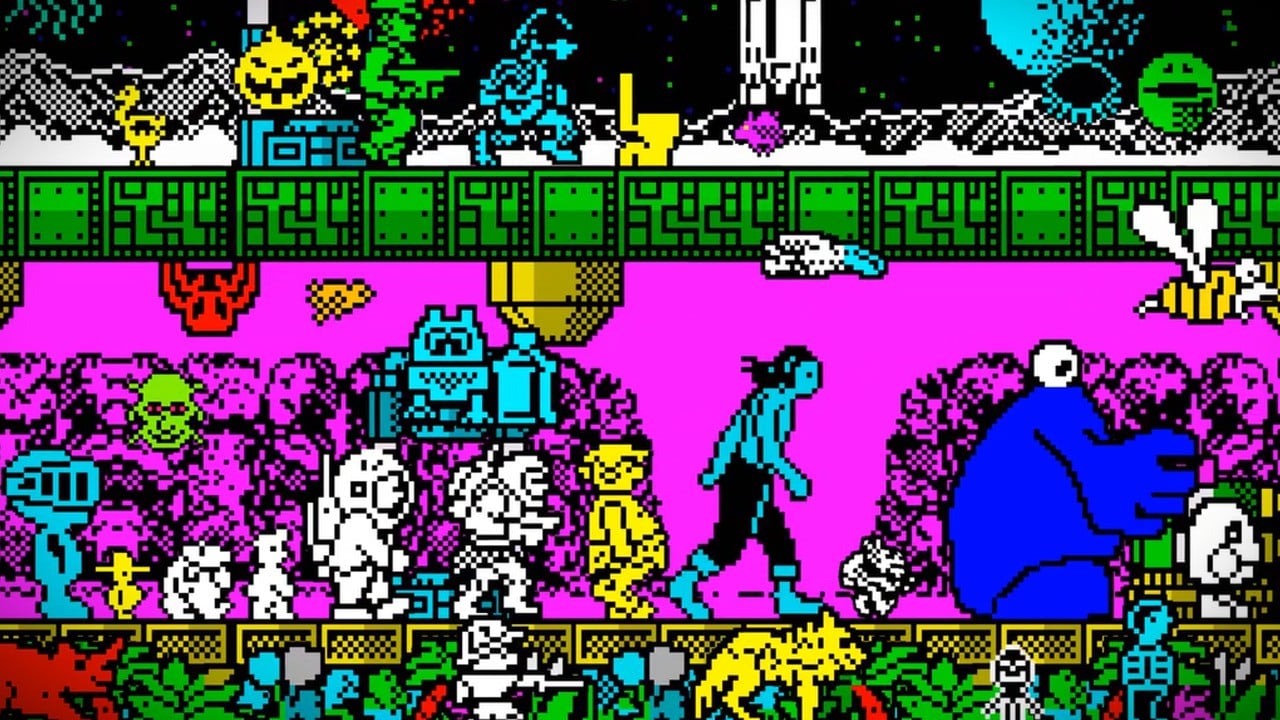

Artist Scott Bateman’s short animation "A Walk through the 8‑Bit" assembles a parade of classic ZX Spectrum sprites, offering a concise tribute to the 1980s home‑computing era.
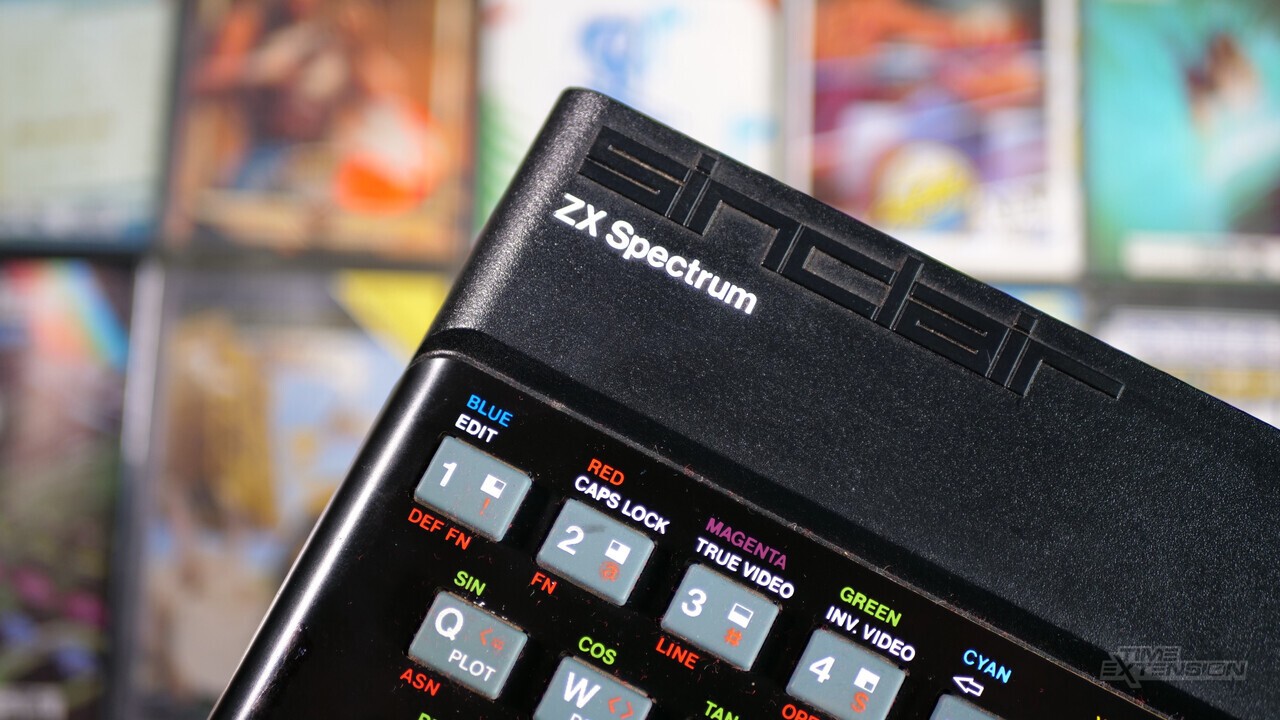
The ZX Spectrum, Sir Clive Sinclair’s rubber‑keyed home computer first released in 1982, became a defining platform in the UK and spawned a generation of distinctive, memory‑driven sprite artwork—particularly on the well‑remembered 48K model.
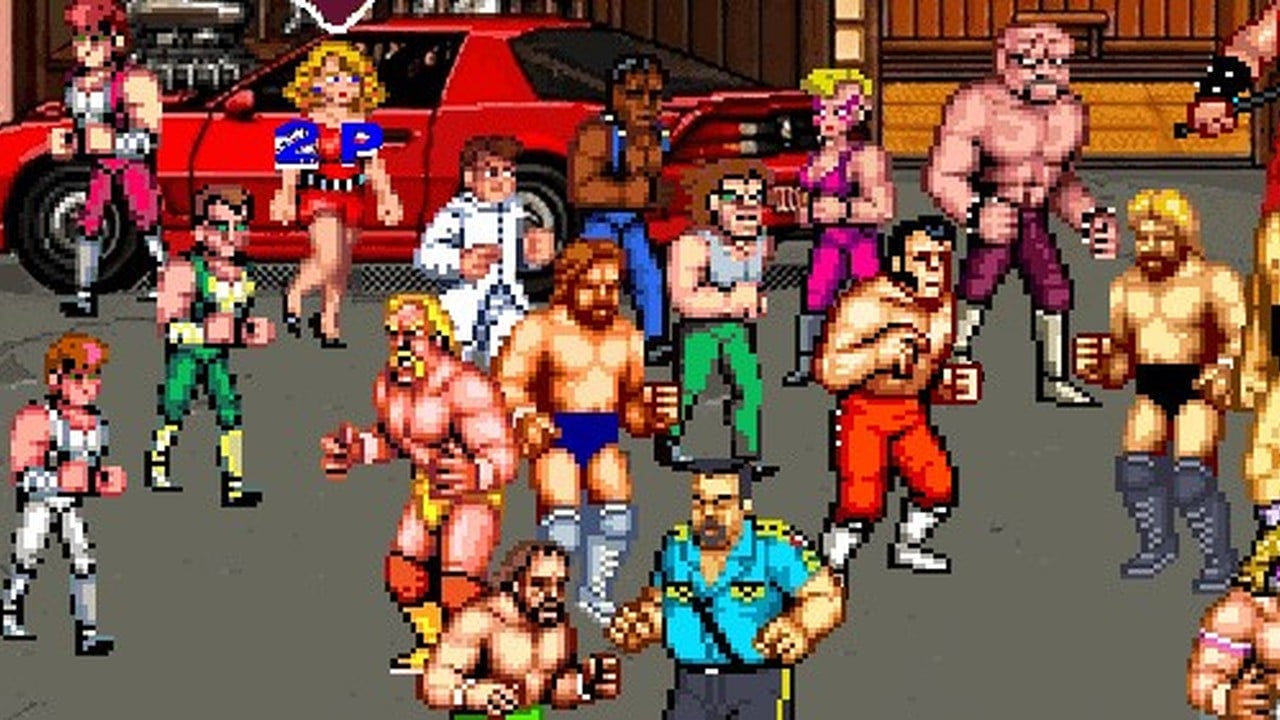
Bateman created the animation using Photoshop and Blender, compiling a sequence that features more than 30 recognizable characters and background figures as they might have appeared on the monochrome Spectrum display.
The full HD version is available on the artist’s website, while a compressed clip circulated on social media to wide appreciation from retro gaming communities.
In journalistic terms, the piece highlights how pared‑down graphical constraints fostered enduring character design.
As many fans note, gameplay and imagination often mattered as much as visual fidelity in the 8‑bit era; Bateman’s animation emphasizes that bold, minimal sprites could still deliver lasting emotional resonance.
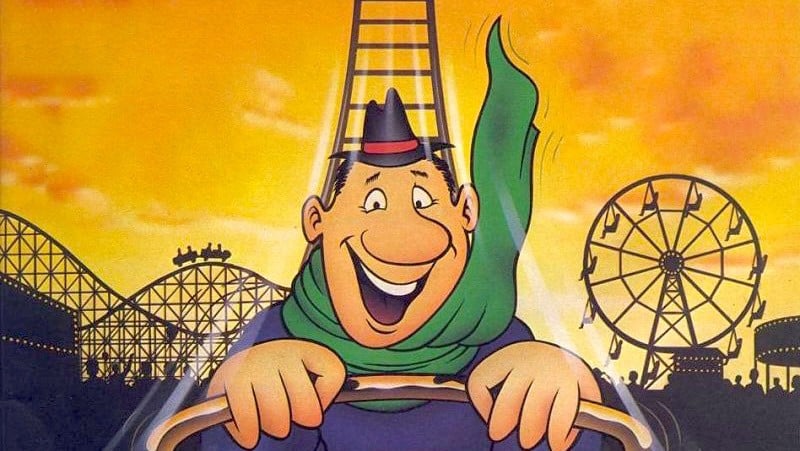
The original writer singled out the Spectrum classic character Horace as a personal favorite, recalling it as the first Spectrum game they played and noting the character’s enduring charm.
Beyond nostalgia, the animation underscores a larger trend: modern developers frequently draw on 8‑bit aesthetics.
Retro‑inspired titles continue to appear across contemporary platforms, including the Nintendo Switch and its eShop, where pixel art and minimalist sprite work remain a popular stylistic choice for indie releases.
This continuity links Spectrum‑era designs to today’s independent game development and hardware ecosystems.
For readers interested in the broader historical context, the ZX Spectrum story is also the subject of Golden Slumbers’ upcoming book The Rubber‑Keyed Wonder: The Sinclair ZX Spectrum Story, which aims to document the platform’s cultural impact.
Bateman’s work, meanwhile, functions as both a visual gallery and a reminder of how a limited palette and a few dozen pixels helped define early game imagery that still resonates with players and creators today.