The Untold Story Behind the Official Dreamcast Magazine’s Final Issue
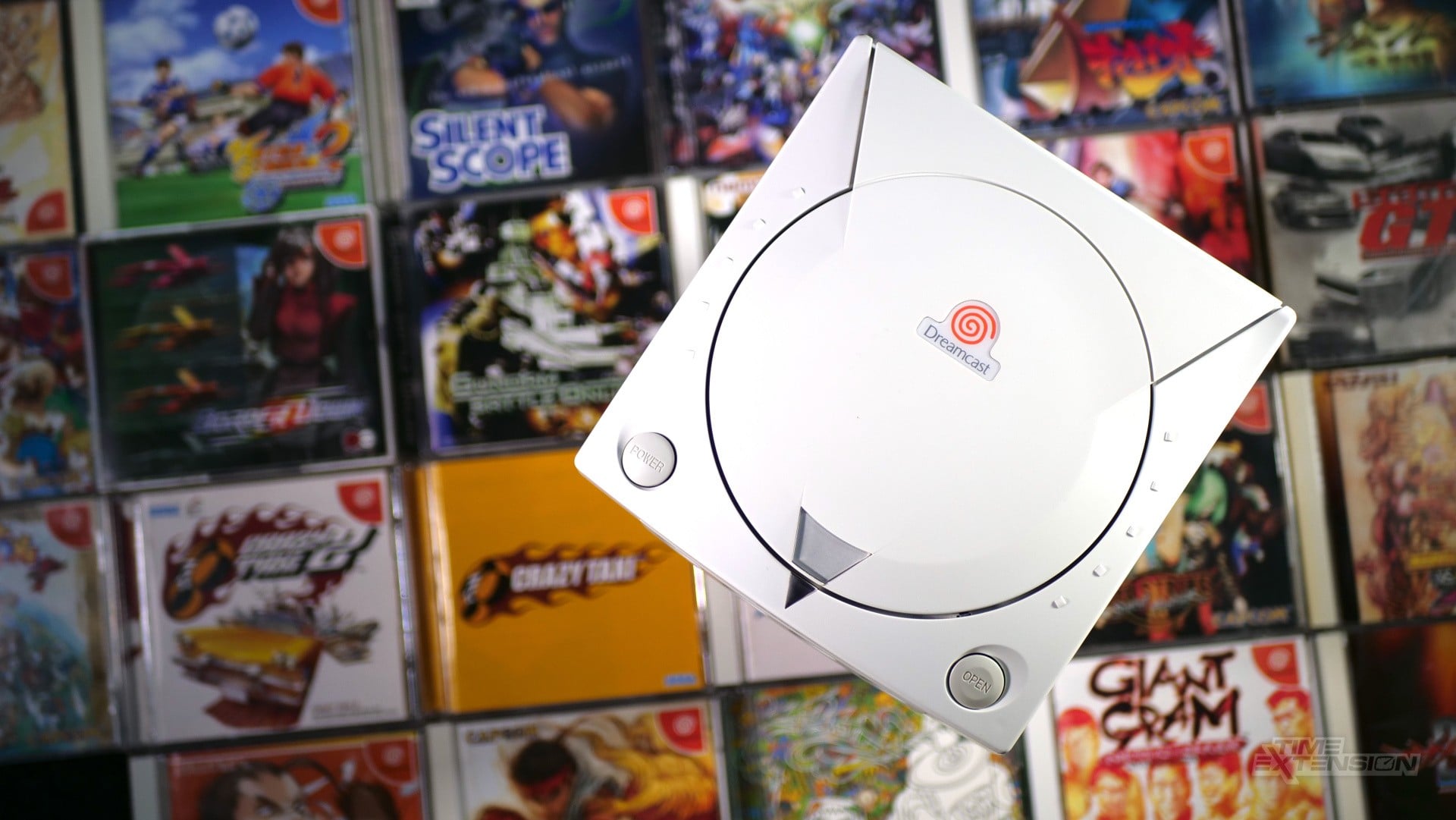
The Sega Dreamcast, often hailed for its innovative hardware and legendary game library, holds a distinct spot in gaming history.
Released in 1998, the Dreamcast quickly captivated fans worldwide with arcade-quality experiences and pioneering online features.
Despite this, mounting financial losses eventually forced Sega to end Dreamcast's production in 2001, signaling the company's retreat from the console hardware business—a shift that also impacted publishers and media dedicated to the brand, including Dennis Publishing’s Official Dreamcast Magazine.
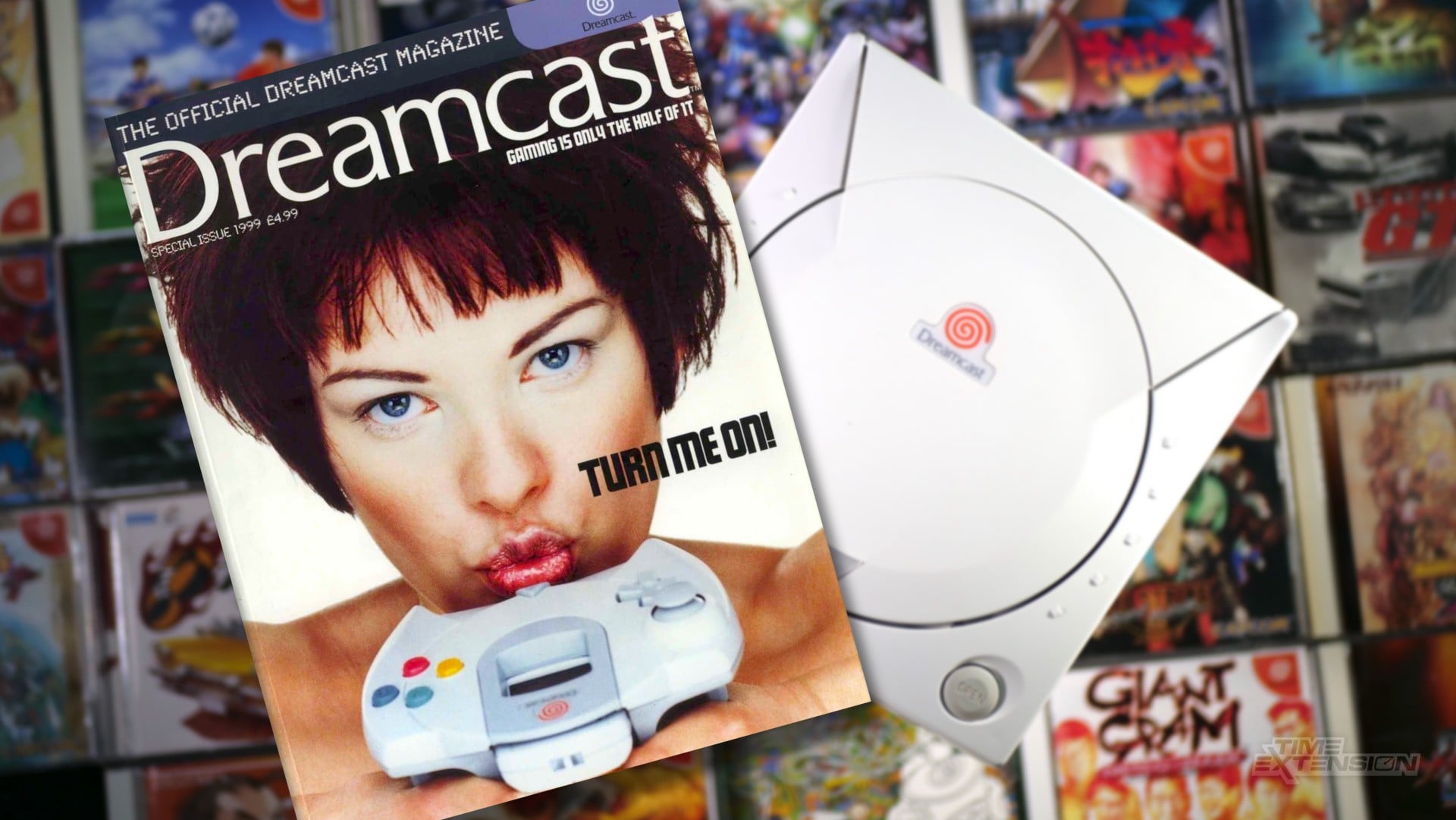
Official Dreamcast Magazine (ODM), a fixture for Dreamcast enthusiasts in the United Kingdom, provided authoritative reviews, news, and exclusive demos.
Managed by Dennis Publishing, ODM reached issue 21 before its abrupt closure in June 2001.
At this point, the publication had already transitioned to a bi-monthly release.
However, many fans were left unaware that they were holding the magazine's last issue, as no announcement indicated its impending end.
A 22nd edition was in development but never published—a fact illuminated by a recent investigation from The Dreamcast Junkyard.
In an in-depth interview on The Dreamcast Junkyard, Ed Lomas, who was Deputy Editor under Warren Christmas at Official Dreamcast Magazine, reflected on the circumstances surrounding the magazine’s end.
When Dennis Publishing prepared to launch PlayNation, a new gaming magazine, Warren Christmas moved on from ODM, leaving Lomas with editorial leadership for the planned 22nd issue.
Lomas recounted, "I was proud to have taken over and completed a strong magazine, but was ultimately disappointed that it never reached readers."
According to Lomas, the anticipated 22nd issue’s cover feature was slated to be Phantasy Star Online Ver. 2, featuring an interview with Sonic Team’s Yuji Naka—further promising unique insights for Dreamcast fans.
Ultimately, the inability to secure a cover-mounted demo disc proved decisive in shuttering the magazine.
At the time, demo discs were a mainstay for UK gaming magazines, offering previews of upcoming titles and acting as a crucial value proposition for readers.
As Dreamcast's game releases waned, sourcing new demos became nearly impossible.
"I recall there being ongoing uncertainty about whether we’d receive a demo from Sega.
Once it was confirmed that no further demos would be supplied, Dennis Publishing chose not to proceed with the magazine," Lomas stated.
He added, "Although the magazine had become profitable due to reduced production costs—partly from eliminating expensive fashion shoots and utilizing staff writer Dan Trent for photography—declining Dreamcast software releases and the PlayStation 2’s rise led Dennis Publishing to reallocate resources, prioritizing their move into the PS2 market.
The absence of demo discs was ultimately the fatal blow."
Despite turning a profit, Official Dreamcast Magazine concluded with its 21st issue, marking both an end of an era for Sega hardware coverage and a transformation in the landscape of gaming journalism.
These candid insights from Ed Lomas offer valuable perspective on how broader industry trends—such as shifting hardware popularity and publishing economics—can determine the fate of fan-favorite publications.
For those interested in the intricate history of Sega Dreamcast and its media legacy, The Dreamcast Junkyard’s full feature detailing the magazine’s unprinted final issue is a recommended read.
The Sega Dreamcast, often hailed for its innovative hardware and legendary game library, holds a distinct spot in gaming history.
Released in 1998, the Dreamcast quickly captivated fans worldwide with arcade-quality experiences and pioneering online features.
Despite this, mounting financial losses eventually forced Sega to end Dreamcast's production in 2001, signaling the company's retreat from the console hardware business—a shift that also impacted publishers and media dedicated to the brand, including Dennis Publishing’s Official Dreamcast Magazine.
Official Dreamcast Magazine (ODM), a fixture for Dreamcast enthusiasts in the United Kingdom, provided authoritative reviews, news, and exclusive demos.
Managed by Dennis Publishing, ODM reached issue 21 before its abrupt closure in June 2001.
At this point, the publication had already transitioned to a bi-monthly release.
However, many fans were left unaware that they were holding the magazine's last issue, as no announcement indicated its impending end.
A 22nd edition was in development but never published—a fact illuminated by a recent investigation from The Dreamcast Junkyard.
In an in-depth interview on The Dreamcast Junkyard, Ed Lomas, who was Deputy Editor under Warren Christmas at Official Dreamcast Magazine, reflected on the circumstances surrounding the magazine’s end.
When Dennis Publishing prepared to launch PlayNation, a new gaming magazine, Warren Christmas moved on from ODM, leaving Lomas with editorial leadership for the planned 22nd issue.
Lomas recounted, "I was proud to have taken over and completed a strong magazine, but was ultimately disappointed that it never reached readers."
According to Lomas, the anticipated 22nd issue’s cover feature was slated to be Phantasy Star Online Ver. 2, featuring an interview with Sonic Team’s Yuji Naka—further promising unique insights for Dreamcast fans.
Ultimately, the inability to secure a cover-mounted demo disc proved decisive in shuttering the magazine.
At the time, demo discs were a mainstay for UK gaming magazines, offering previews of upcoming titles and acting as a crucial value proposition for readers.
As Dreamcast's game releases waned, sourcing new demos became nearly impossible.
"I recall there being ongoing uncertainty about whether we’d receive a demo from Sega.
Once it was confirmed that no further demos would be supplied, Dennis Publishing chose not to proceed with the magazine," Lomas stated.
He added, "Although the magazine had become profitable due to reduced production costs—partly from eliminating expensive fashion shoots and utilizing staff writer Dan Trent for photography—declining Dreamcast software releases and the PlayStation 2’s rise led Dennis Publishing to reallocate resources, prioritizing their move into the PS2 market.
The absence of demo discs was ultimately the fatal blow."
Despite turning a profit, Official Dreamcast Magazine concluded with its 21st issue, marking both an end of an era for Sega hardware coverage and a transformation in the landscape of gaming journalism.
These candid insights from Ed Lomas offer valuable perspective on how broader industry trends—such as shifting hardware popularity and publishing economics—can determine the fate of fan-favorite publications.
For those interested in the intricate history of Sega Dreamcast and its media legacy, The Dreamcast Junkyard’s full feature detailing the magazine’s unprinted final issue is a recommended read.