

When Nintendo introduced Star Fox for the Super Nintendo Entertainment System (SNES) in 1993, it marked a major milestone in console gaming by leveraging the power of the custom Super FX chip.
This digital signal processor enabled the SNES to render fast and convincing 3D visuals, elevating the standard for home console graphics.
Not surprisingly, the competition took notice.
Sega, eager to match and surpass Nintendo's technology, launched its own answer—the Sega Virtua Processor (SVP) for the Genesis.
However, while both chips brought innovation to their respective platforms, Sega’s pursuit of 3D power came with a significant price tag.
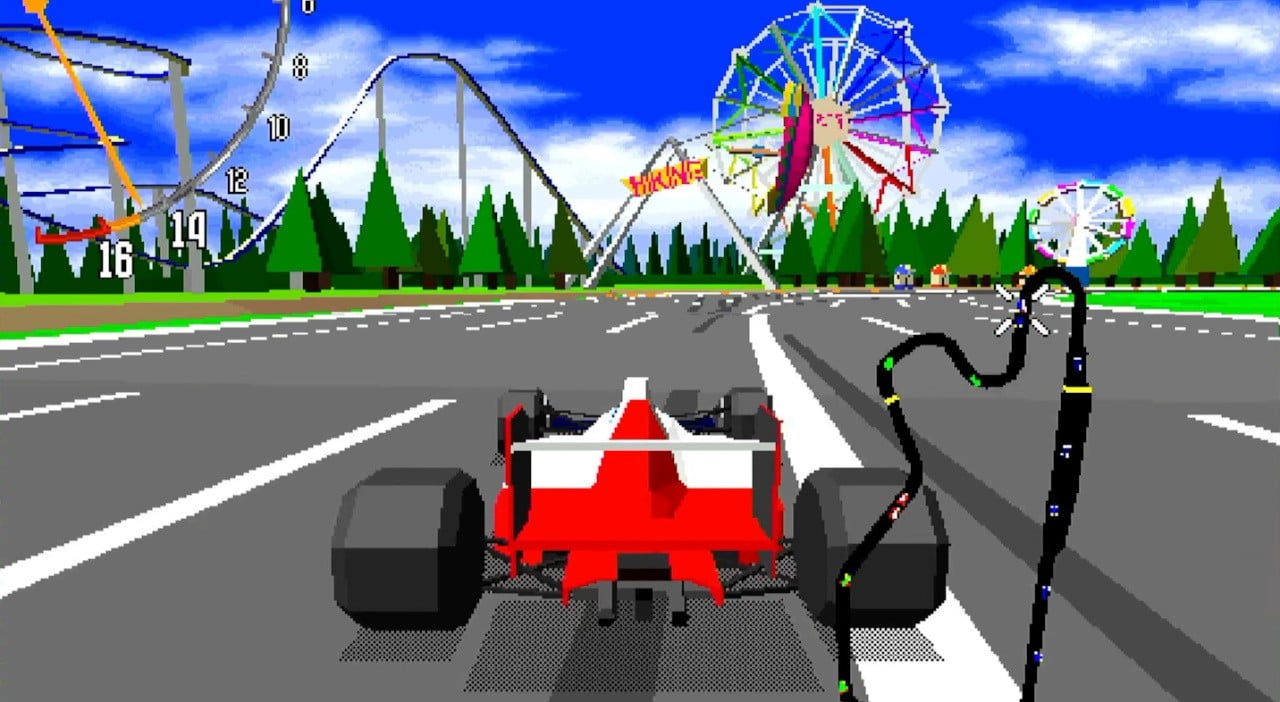
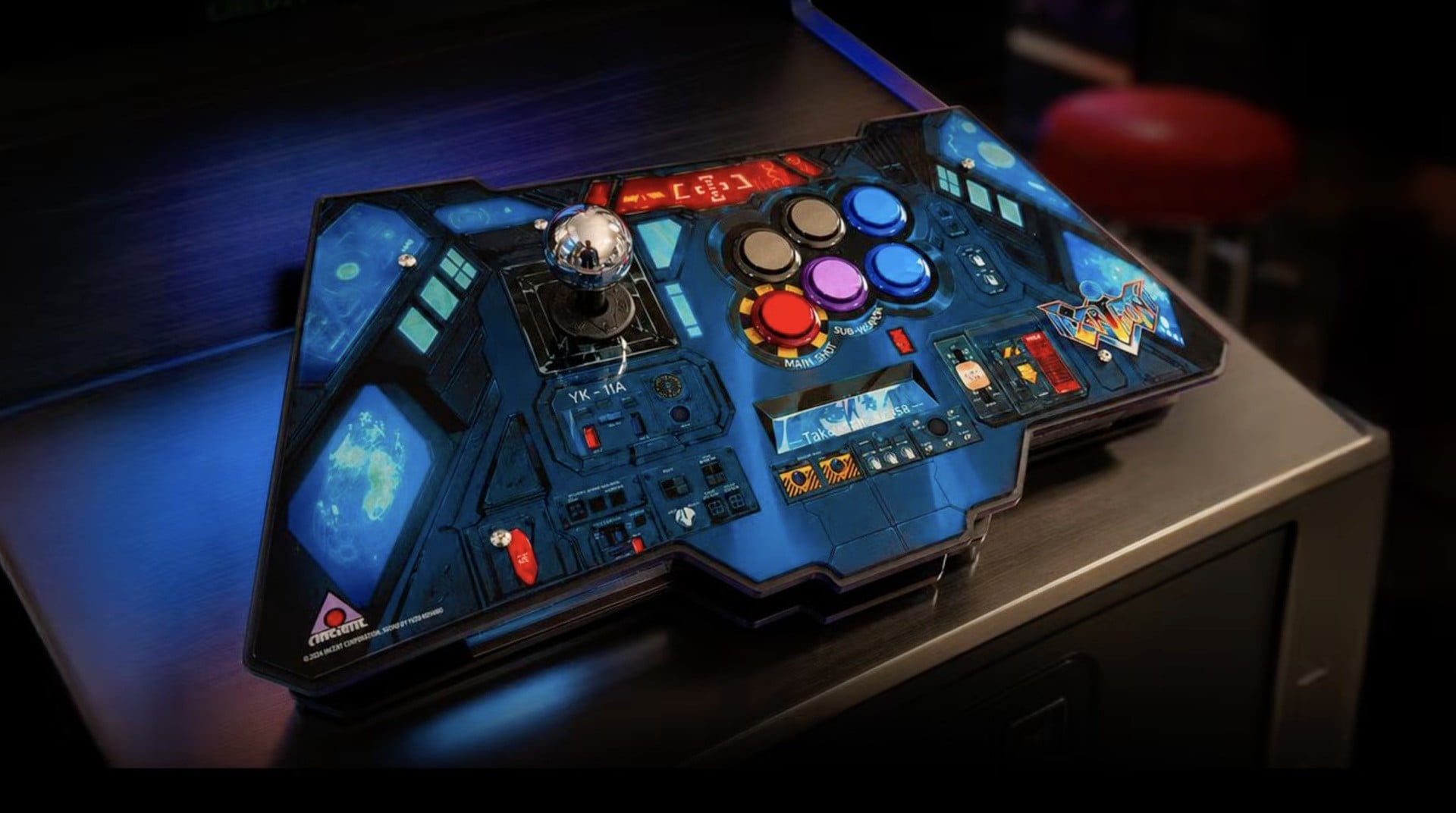
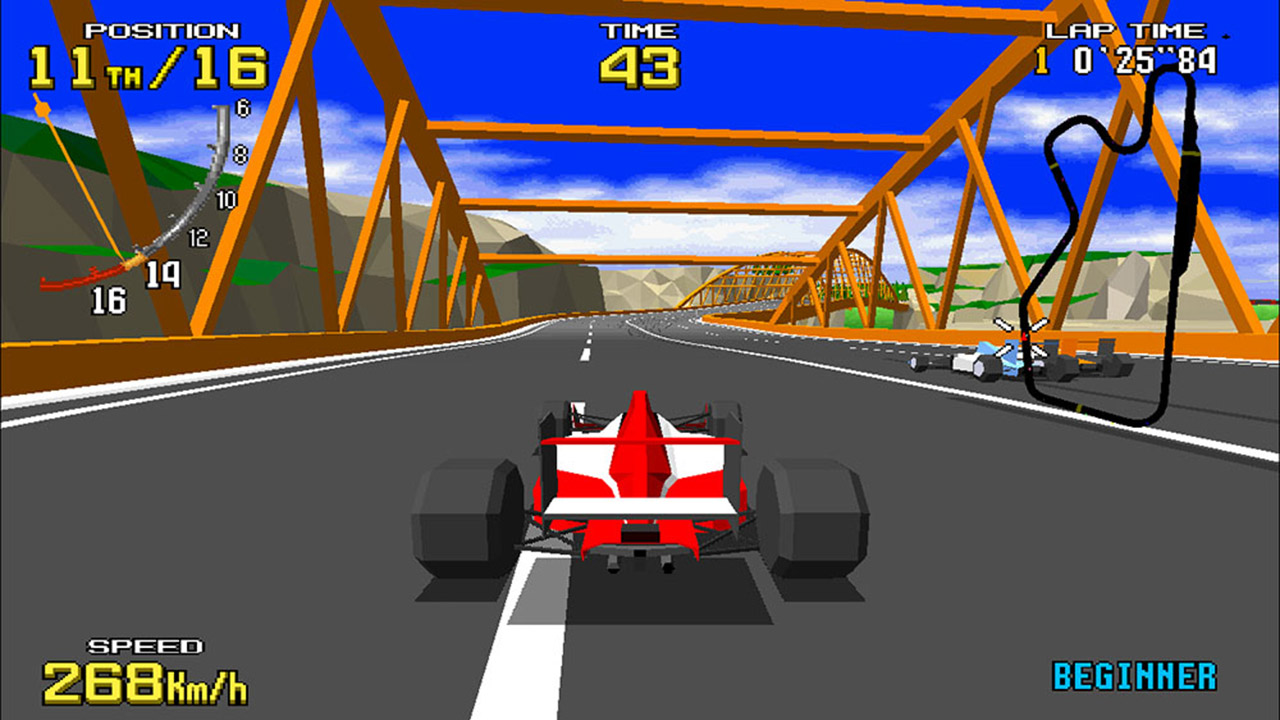
The Sega Virtua Processor was specifically developed to bring the arcade hit Virtua Racing to the Genesis.
Like the Super FX chip, the SVP greatly enhanced the host hardware’s capabilities, rendering smoothly animated polygonal graphics—a notable feat during the early 1990s.
Yet despite its technical achievements, the SVP chip made it into just one game: Virtua Racing for the Genesis.
The primary reason boiled down to cost.
John Harrison, an authority on Sega’s hardware innovations, explains that internal discussions at Sega revealed the SVP was an expensive gamble.
According to Hideki Sato, a leading hardware engineer at Sega, each SVP chip cost around ¥10,000 (approximately $62 USD, adjusted for inflation) per unit.
At a time when most retail Genesis games sold for $40–$60, the addition of the chip made Virtua Racing an exceptionally pricey release and significantly squeezed Sega’s profit margins.
In a 1994 interview published in Beep! magazine, a Sega representative clarified that the company nearly set the Japanese retail price at ¥12,800 ($80 USD), which was almost the cost of the Genesis console itself in Japan.
Ultimately, Virtua Racing was released at ¥9,800 (just over $60 USD), still among the most expensive titles for the platform.
The costs could have climbed even higher—to ¥14,800 (about $91 USD)—had the cartridge included additional features like save RAM.
Junichi Terashima, the SVP chip’s creator, confirmed that Sega even considered releasing the SVP in a separate external module to potentially recoup costs and enable broader support for future titles.
In stark contrast, Nintendo’s Super FX chip enjoyed wider deployment, enhancing several classic SNES games, including Stunt Race FX, Yoshi’s Island, and Vortex, beyond its debut in Star Fox.
Nintendo’s approach allowed it to bring 3D effects to multiple flagship titles without each individual game bearing the full brunt of development costs, ensuring a more sustainable upgrade path for its library.
The legacy of Sega’s Virtua Processor serves as a testament to the risks and financial hurdles of rapidly advancing consumer hardware during the 16-bit era.
While the SVP chip didn’t see widespread use, it underscored Sega’s ambition to push Genesis hardware competitivity against Nintendo’s innovation.
Ultimately, the story of the SVP and Super FX chips highlights the ongoing struggle between performance, profitability, and platform evolution—a narrative still resonant across the gaming industry today.
This digital signal processor enabled the SNES to render fast and convincing 3D visuals, elevating the standard for home console graphics.
Not surprisingly, the competition took notice.
Sega, eager to match and surpass Nintendo's technology, launched its own answer—the Sega Virtua Processor (SVP) for the Genesis.
However, while both chips brought innovation to their respective platforms, Sega’s pursuit of 3D power came with a significant price tag.
The Sega Virtua Processor was specifically developed to bring the arcade hit Virtua Racing to the Genesis.
Like the Super FX chip, the SVP greatly enhanced the host hardware’s capabilities, rendering smoothly animated polygonal graphics—a notable feat during the early 1990s.
Yet despite its technical achievements, the SVP chip made it into just one game: Virtua Racing for the Genesis.
The primary reason boiled down to cost.
John Harrison, an authority on Sega’s hardware innovations, explains that internal discussions at Sega revealed the SVP was an expensive gamble.
According to Hideki Sato, a leading hardware engineer at Sega, each SVP chip cost around ¥10,000 (approximately $62 USD, adjusted for inflation) per unit.
At a time when most retail Genesis games sold for $40–$60, the addition of the chip made Virtua Racing an exceptionally pricey release and significantly squeezed Sega’s profit margins.
In a 1994 interview published in Beep! magazine, a Sega representative clarified that the company nearly set the Japanese retail price at ¥12,800 ($80 USD), which was almost the cost of the Genesis console itself in Japan.
Ultimately, Virtua Racing was released at ¥9,800 (just over $60 USD), still among the most expensive titles for the platform.
The costs could have climbed even higher—to ¥14,800 (about $91 USD)—had the cartridge included additional features like save RAM.
Junichi Terashima, the SVP chip’s creator, confirmed that Sega even considered releasing the SVP in a separate external module to potentially recoup costs and enable broader support for future titles.
In stark contrast, Nintendo’s Super FX chip enjoyed wider deployment, enhancing several classic SNES games, including Stunt Race FX, Yoshi’s Island, and Vortex, beyond its debut in Star Fox.
Nintendo’s approach allowed it to bring 3D effects to multiple flagship titles without each individual game bearing the full brunt of development costs, ensuring a more sustainable upgrade path for its library.
The legacy of Sega’s Virtua Processor serves as a testament to the risks and financial hurdles of rapidly advancing consumer hardware during the 16-bit era.
While the SVP chip didn’t see widespread use, it underscored Sega’s ambition to push Genesis hardware competitivity against Nintendo’s innovation.
Ultimately, the story of the SVP and Super FX chips highlights the ongoing struggle between performance, profitability, and platform evolution—a narrative still resonant across the gaming industry today.