Hiroshi Kubota, a respected figure within the video game industry best known for his work at Sega as a sound programmer and composer, has passed away after a long battle with illness.
News of Kubota’s passing was first shared by his former colleague Koichi Namiki and subsequently confirmed through industry channels.
Kubota is remembered for his remarkable contributions to classic Sega Mega Drive titles and his lasting influence on game audio design.
Kubota began his career at Sega in 1989, operating occasionally under the pseudonym 'Jimita' as well.
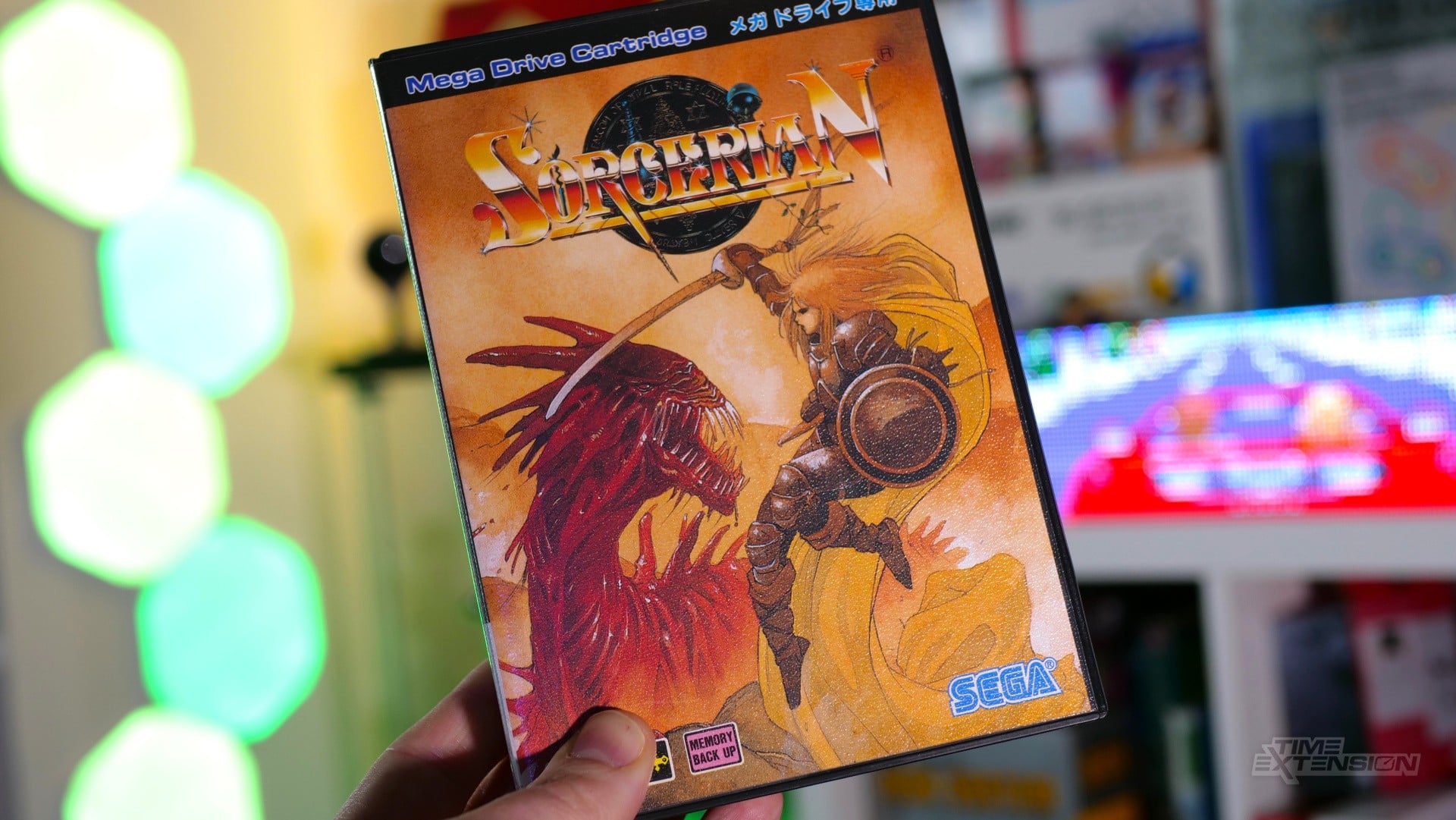
Early in his tenure, he co-composed the soundtrack for the Mega Drive adaptation of "Sorcerian," collaborating closely with Tokuhiko Uwabo to craft original tracks for the iconic RPG experience.
Kubota’s impact was further cemented with his work on "Michael Jackson's Moonwalker," where he successfully adapted the King of Pop’s chart-topping songs to fully utilize the Mega Drive’s audio capabilities.
Demonstrating technical and musical ingenuity, he also played an instrumental role in translating Masato Nakamura’s memorable music for "Sonic the Hedgehog" into the system’s Sample Music Playback System (SMPS) sound engine, ensuring that the game’s distinctive sound resonated with millions of players.
In the mid-1990s, Kubota faced personal health challenges, primarily contending with ulcerative colitis.
He retired from Sega at the beginning of 1994 due to his condition but made a notable return to the company just a few months later.
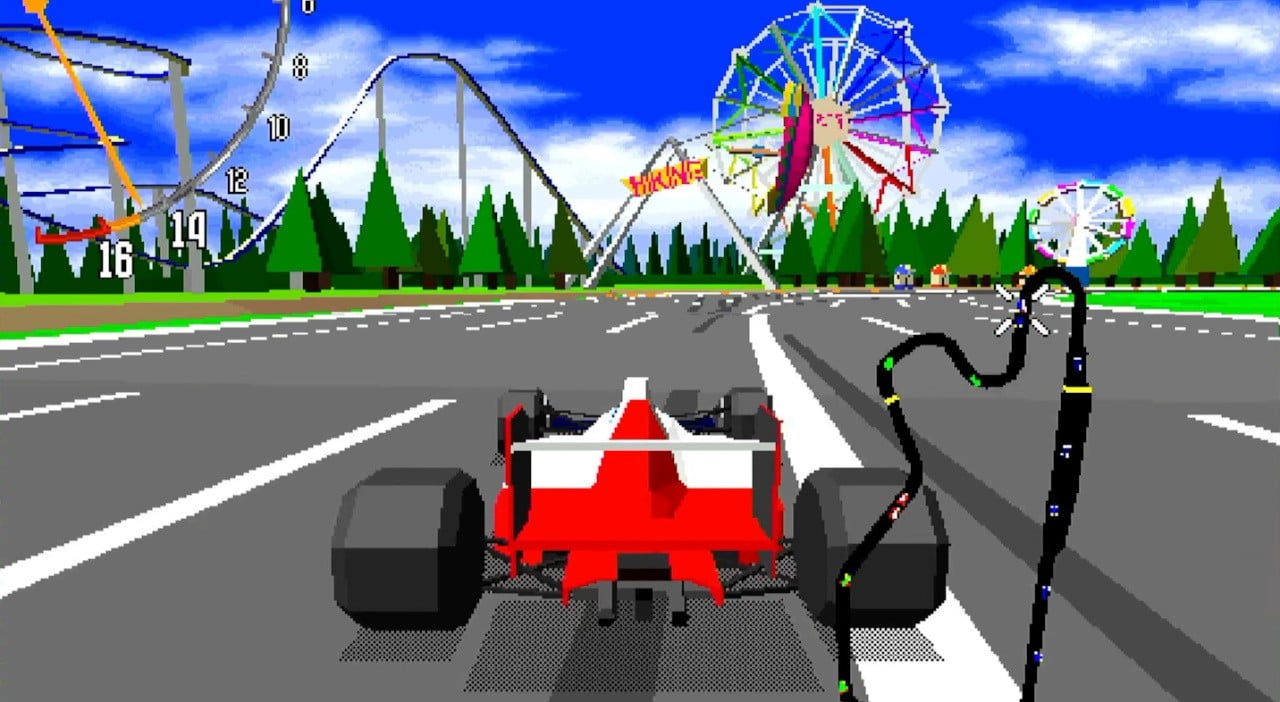
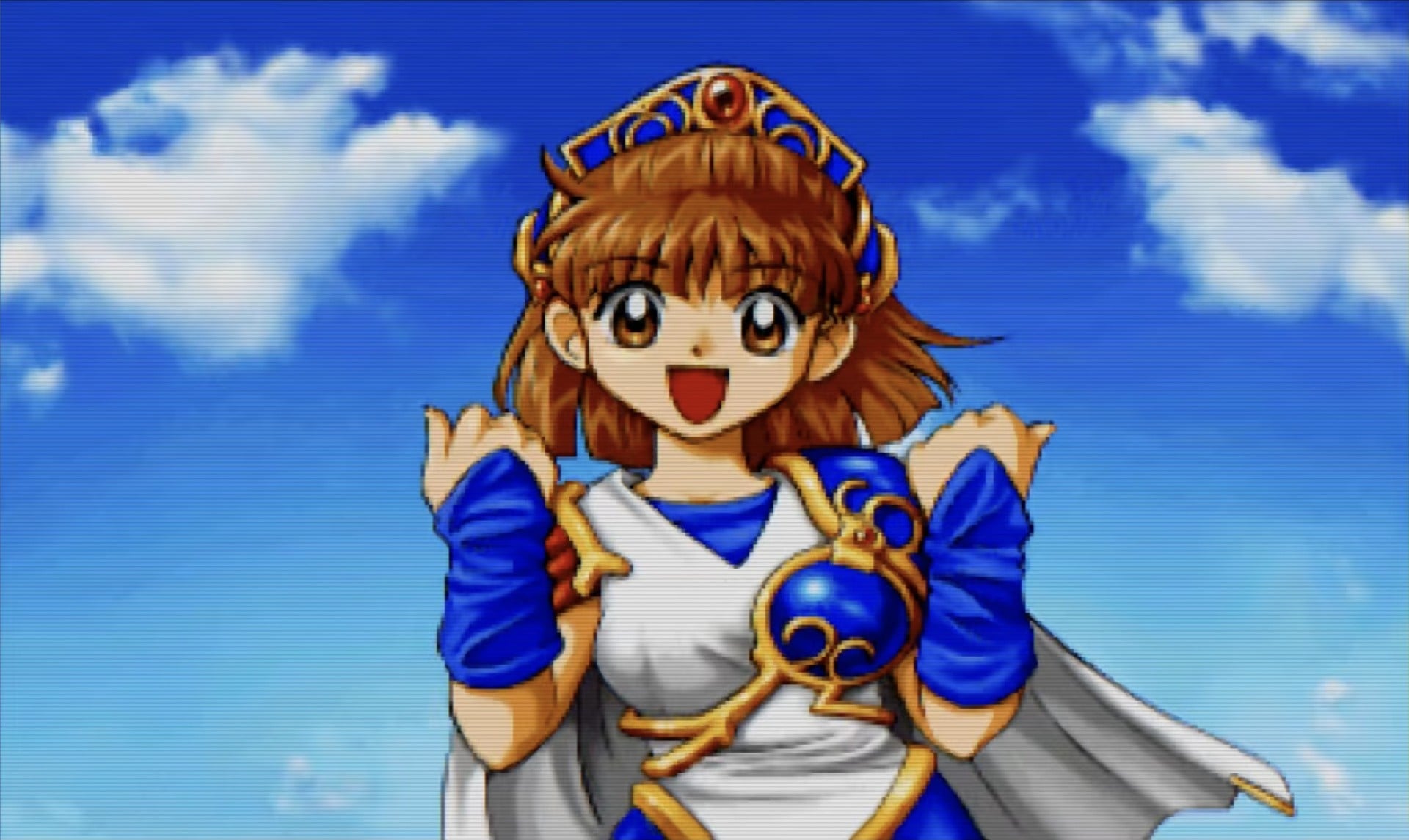
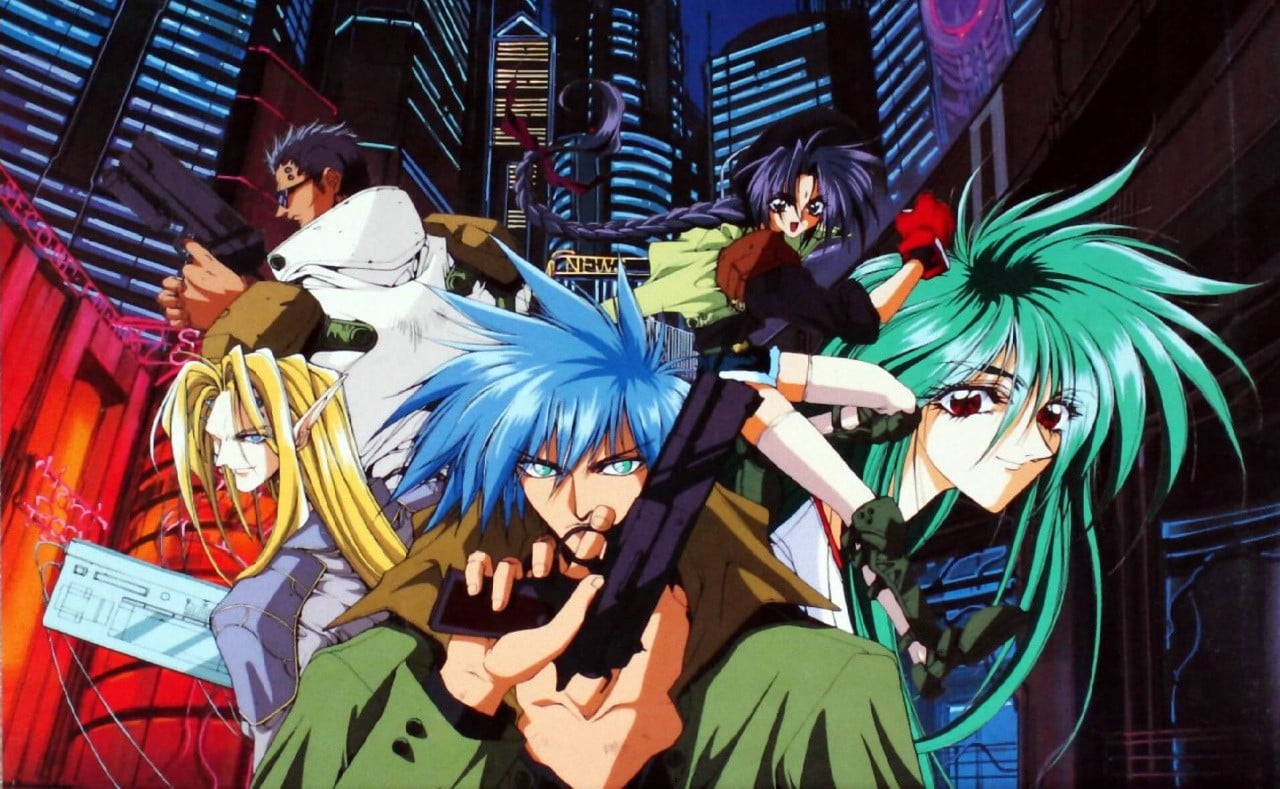
Despite these setbacks, Kubota continued to contribute his skills to several noteworthy projects, including titles such as "Advanced Daisenryaku: Deutsch Dengeki Sakusen" (1991), "Dyna Brothers" (1992), "Panic!" (1993), "Formula One World Championship: Beyond the Limit" (1994), the highly regarded "Ristar" (1995), and "Sword of the Berserk: Guts' Rage" (1999).
Kubota’s talents extended beyond video games, as he was also recognized as a distinguished jazz pianist.
He often performed at special events, including the weddings of fellow Sega Sound Team members Masayuki Nagao, Kazuhiko Nagai, Chikako Kamatani, and Yukifumi Makino, further establishing his presence within the Sega creative community.
Colleagues and fans alike remember Hiroshi Kubota not only for his technical expertise and creative accomplishments but also for his enduring passion for music and the video game artform.
His legacy continues to resonate throughout the industry and among Sega’s historic catalog, impacting new generations of game developers and enthusiasts worldwide.
News of Kubota’s passing was first shared by his former colleague Koichi Namiki and subsequently confirmed through industry channels.
Kubota is remembered for his remarkable contributions to classic Sega Mega Drive titles and his lasting influence on game audio design.
Kubota began his career at Sega in 1989, operating occasionally under the pseudonym 'Jimita' as well.
Early in his tenure, he co-composed the soundtrack for the Mega Drive adaptation of "Sorcerian," collaborating closely with Tokuhiko Uwabo to craft original tracks for the iconic RPG experience.
Kubota’s impact was further cemented with his work on "Michael Jackson's Moonwalker," where he successfully adapted the King of Pop’s chart-topping songs to fully utilize the Mega Drive’s audio capabilities.
Demonstrating technical and musical ingenuity, he also played an instrumental role in translating Masato Nakamura’s memorable music for "Sonic the Hedgehog" into the system’s Sample Music Playback System (SMPS) sound engine, ensuring that the game’s distinctive sound resonated with millions of players.
In the mid-1990s, Kubota faced personal health challenges, primarily contending with ulcerative colitis.
He retired from Sega at the beginning of 1994 due to his condition but made a notable return to the company just a few months later.
Despite these setbacks, Kubota continued to contribute his skills to several noteworthy projects, including titles such as "Advanced Daisenryaku: Deutsch Dengeki Sakusen" (1991), "Dyna Brothers" (1992), "Panic!" (1993), "Formula One World Championship: Beyond the Limit" (1994), the highly regarded "Ristar" (1995), and "Sword of the Berserk: Guts' Rage" (1999).
Kubota’s talents extended beyond video games, as he was also recognized as a distinguished jazz pianist.
He often performed at special events, including the weddings of fellow Sega Sound Team members Masayuki Nagao, Kazuhiko Nagai, Chikako Kamatani, and Yukifumi Makino, further establishing his presence within the Sega creative community.
Colleagues and fans alike remember Hiroshi Kubota not only for his technical expertise and creative accomplishments but also for his enduring passion for music and the video game artform.
His legacy continues to resonate throughout the industry and among Sega’s historic catalog, impacting new generations of game developers and enthusiasts worldwide.