Former Nintendo of America marketing leads Kit and Krysta have publicly stated that The Legend of Zelda franchise faced significant commercial and audience challenges in the years leading up to the release of The Legend of Zelda: Breath of the Wild.
Their remarks, made in a recently released video, underscore the degree to which Breath of the Wild represented a strategic reset for Nintendo's flagship action-adventure series.
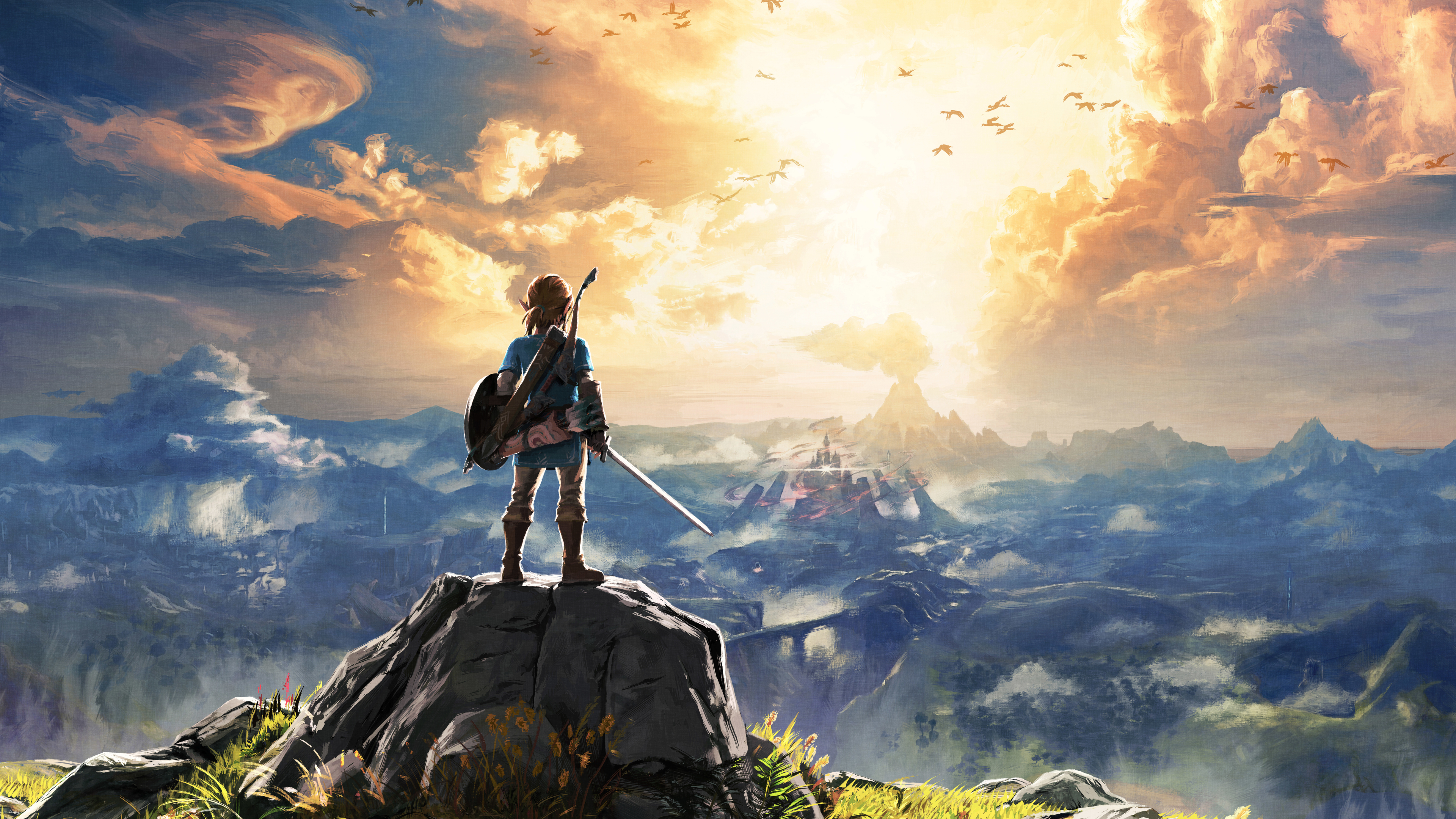
Breath of the Wild, developed by Nintendo EPD under producer Eiji Aonuma and director Hidemaro Fujibayashi, launched worldwide on March 3, 2017.
It was a launch title for the Nintendo Switch and was simultaneously released for the Wii U.
The game received widespread critical acclaim, won multiple Game of the Year awards including at The Game Awards 2017, and became one of the best-selling and most influential entries in the Zelda franchise.
The title also received two paid expansion packs: The Master Trials (released June 30, 2017) and The Champions' Ballad (released December 7, 2017).
In the new video, Kit and Krysta describe a period in which Zelda's commercial trajectory and audience metrics fell below internal expectations.
Paraphrasing their comments for clarity: Krysta said the series had reached a precarious point commercially and was not selling in the volumes Nintendo expected.
Kit added that focus-group research and other data indicated the established fan base was shrinking and the series was not effectively attracting new players, creating pressure for a bold, new direction.
Those recollections align with Nintendo's larger strategic pivot to reimagine core franchises for the Switch era.
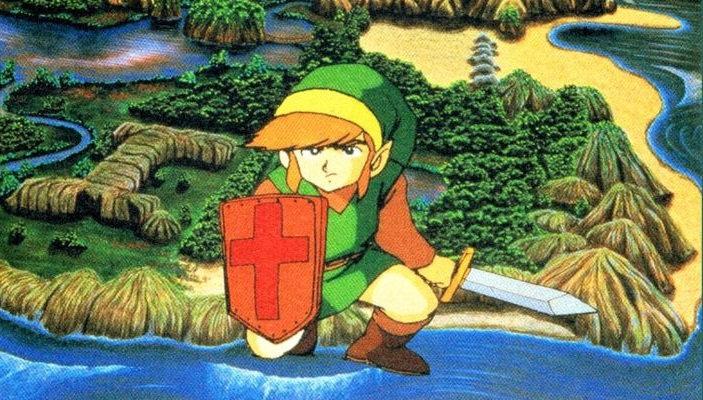
Historically, The Legend of Zelda franchise dates back to 1986 on the NES and had seen many celebrated entries, but Breath of the Wild's open-world redesign represented a marked evolution in design philosophy for the series.
Factually, Breath of the Wild's success helped cement the Switch's early momentum and revitalized interest in the Zelda brand across global audiences.
The game's reception and subsequent commercial performance played a clear role in shaping Nintendo's approach to flagship titles and demonstrated how a single release can alter the trajectory of a decades-old series.