


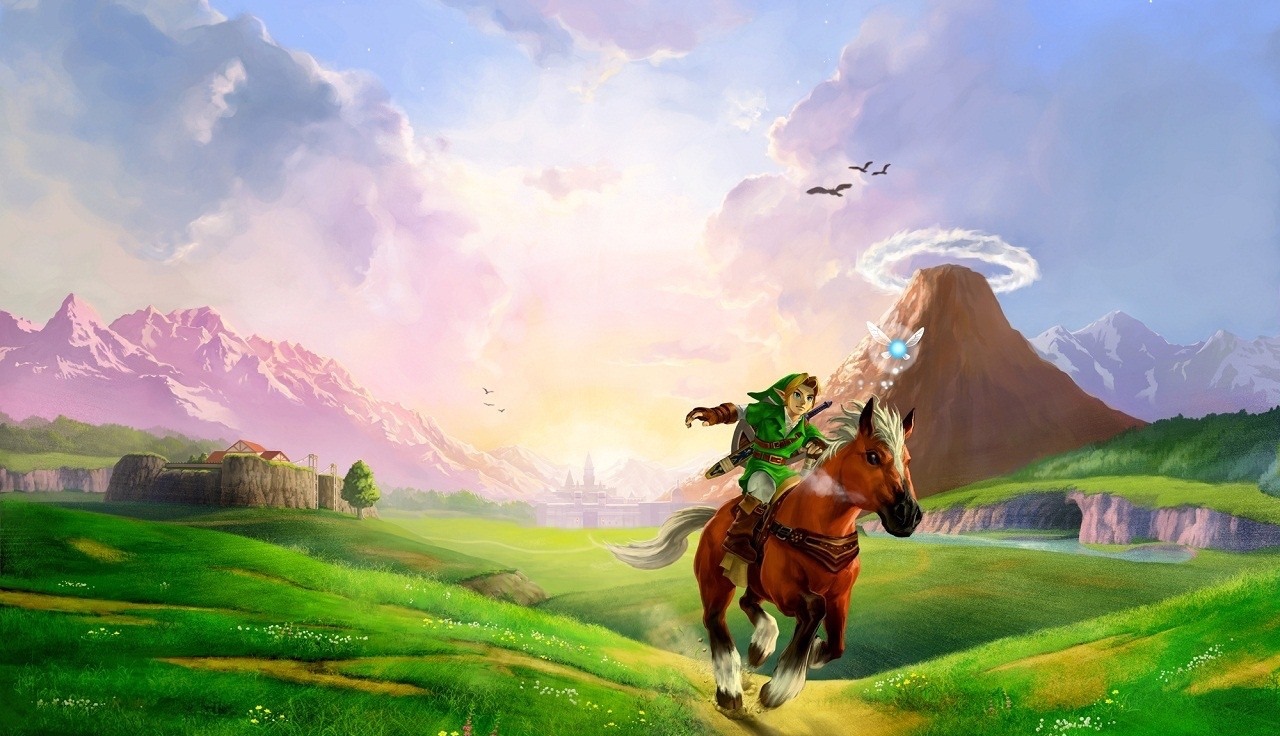
The Legend of Zelda: Ocarina of Time remake for Nintendo Switch has rekindled broad interest in Nintendo’s classic 3D adventure, drawing enthusiastic player reactions and strong retail numbers in its launch window.
The original Ocarina of Time debuted on Nintendo 64 in 1998 and later received a notable handheld remake for Nintendo 3DS in 2011; this latest rework has been positioned by many players as a modernized presentation of the seminal title on Nintendo Switch and in eShop and retail storefronts.
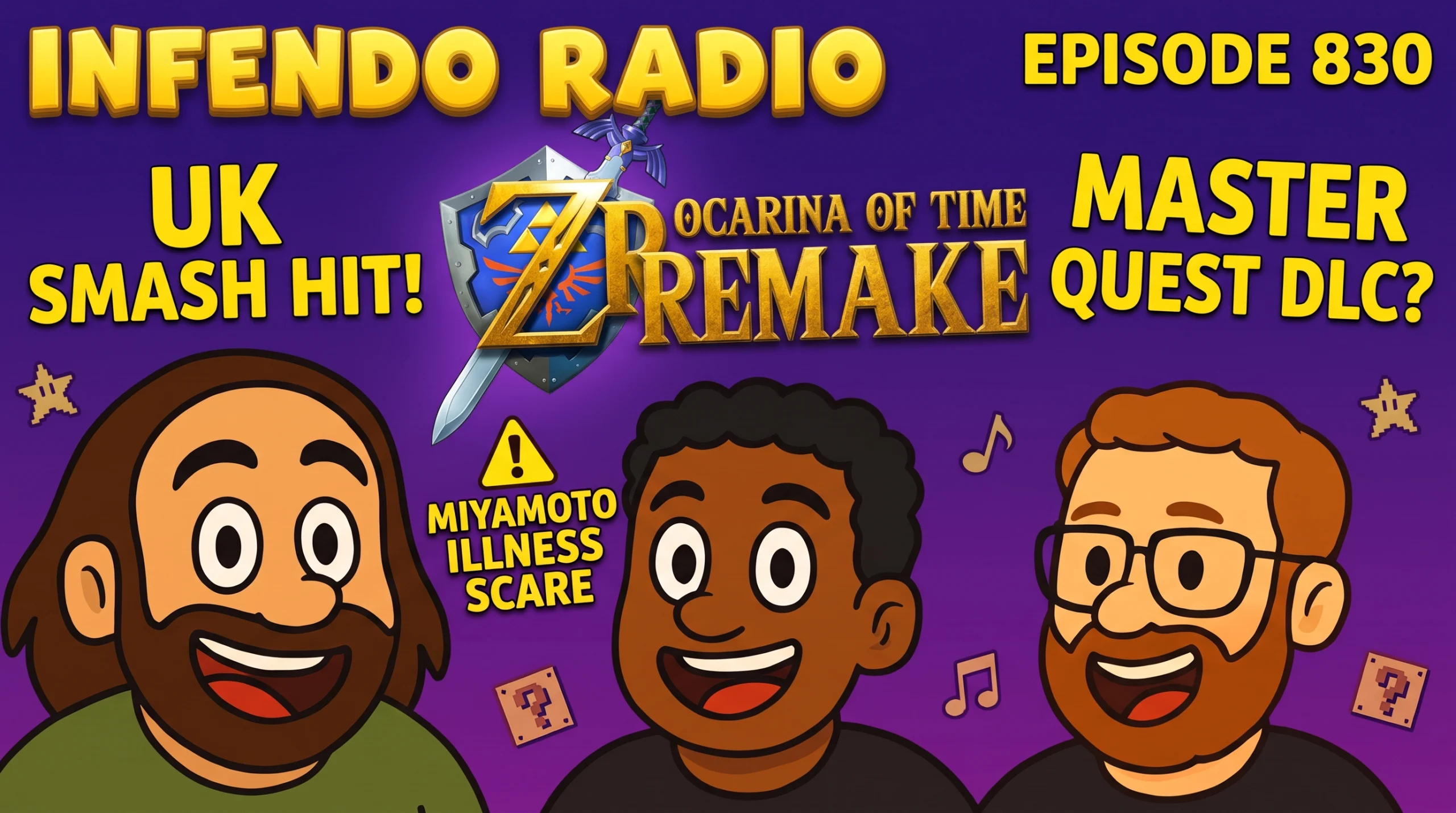
Podcast hosts and early adopters have highlighted two concurrent stories: concern for Nintendo veteran Shigeru Miyamoto and excitement over the remake’s release.
Nintendo told media it expects Miyamoto to make a full and quick recovery, a point widely reported alongside coverage of the game’s rollout.
Retail and community signals have been loud.
UK retail chart reports during launch week placed the remake among the franchise’s best-performing launches in recent memory, and both physical copies and digital downloads via the Nintendo eShop have been prominent in coverage.
Major retailers — including Best Buy and Amazon — reported heavy demand at street-date displays, with some stores seeing lines and quick sell-through of physical editions and themed accessories.
Players and critics have focused on Monolith Soft’s visual and systems work, and on the remake’s quality-of-life updates.
Monolith Soft is best known for the Xenoblade Chronicles series and has solidified a reputation for large-scale RPG production values; player commentary has credited the studio and Nintendo’s teams for bringing updated lighting, environmental detail, and orchestral assets to the classic Hyrule locales.
Those updates — along with modern controls, an expanded in-game log and map features, and platform-specific options for the Switch — have been repeatedly cited by players as reasons the game feels both faithful and contemporary.
Notable player-observed changes include improved camera and movement responsiveness, revised dungeon routing in classic encounters such as the Water Temple, and expanded audio arrangements that vary by daytime and nighttime in key areas.
The 3DS remake (2011) and the original (1998) remain important reference points for fans comparing changes across versions.
Community activity has been intense: speedrunners, modders and streamers have already produced videos demonstrating sequence breaks, multiplayer mods and other emergent behaviors, while mainstream players have shared reactions to updated cinematics and the re-scored soundtrack.
As with any major re-release, the cross-section of nostalgia and modern design choices has driven a broad conversation about how to update classics for contemporary hardware.
For players watching hardware and software releases, the Ocarina of Time remake is a reminder of the continuing commercial and cultural weight of Zelda on Nintendo Switch, and of how legacy properties can be reintroduced to new audiences while still energizing long-time fans.




