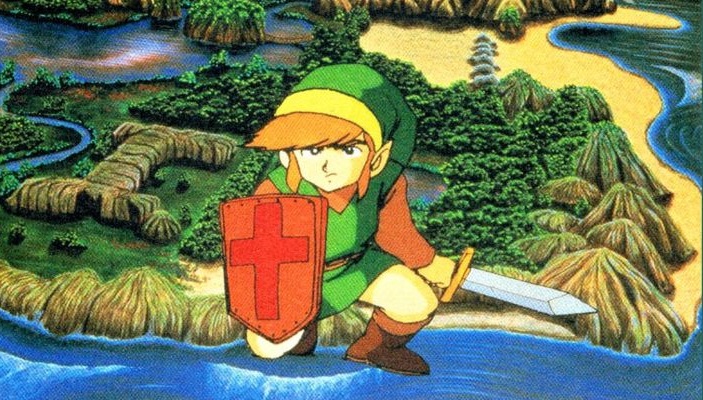
Clair Obscur: Expedition 33 arrives in a market still shaped by Nintendo's open-world innovations.
The indie title's creative director, Guillaume Broche, has highlighted the influence of The Legend of Zelda: Breath of the Wild on his team’s approach to level design and player-directed exploration.
According to the development team, Clair Obscur: Expedition 33 won numerous awards, including a Game of the Year accolade at The Game Awards, and earned strong player attention on platforms such as the Nintendo Switch and digital storefronts like the Nintendo eShop.
Background and platform context
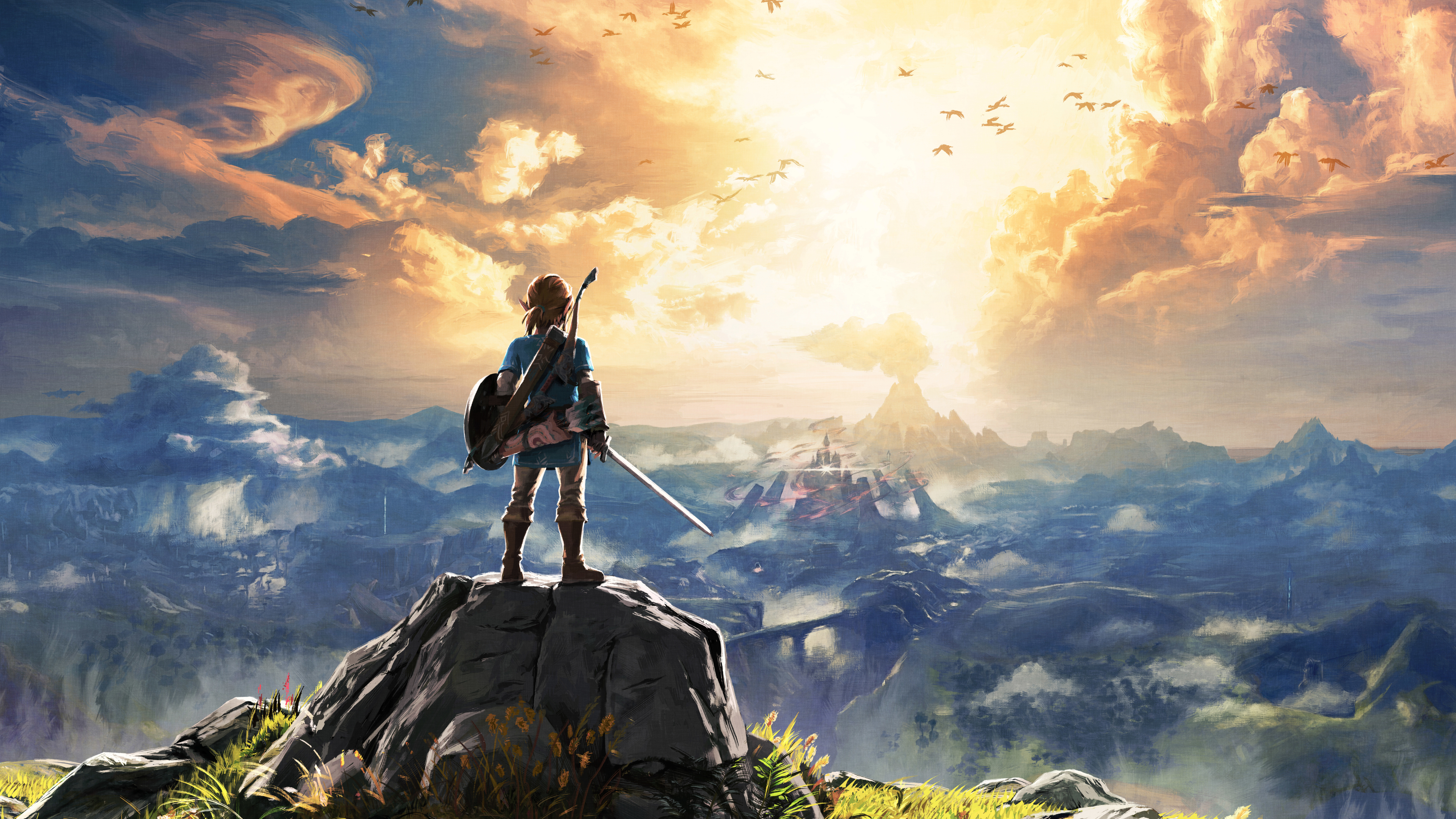
Breath of the Wild, developed by Nintendo EPD, launched on March 3, 2017 for Nintendo Switch and Wii U and is widely credited with reshaping expectations for open-world design on modern consoles.
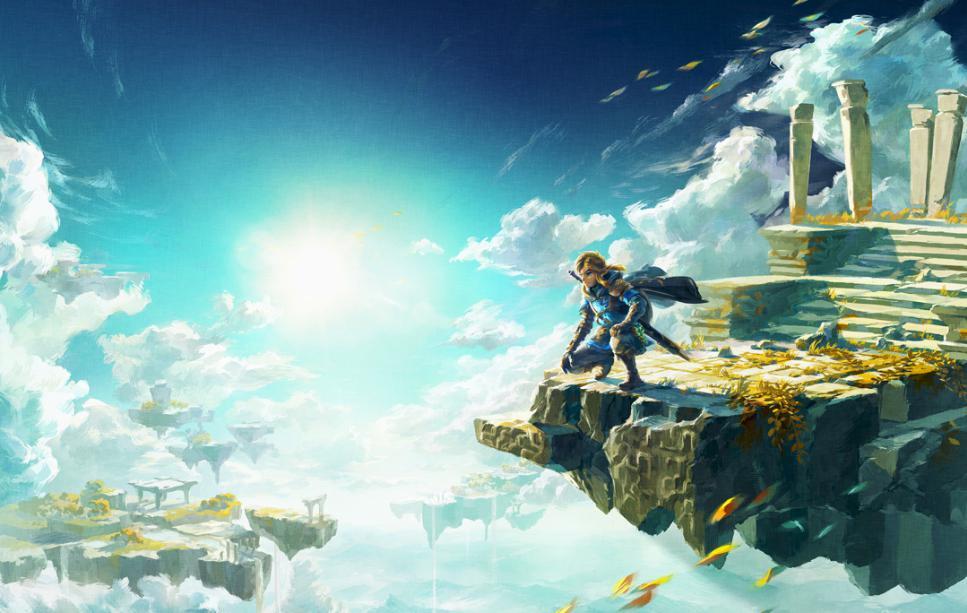
Its follow-up, The Legend of Zelda: Tears of the Kingdom, released on May 12, 2023 for Nintendo Switch.
Those releases helped solidify the Switch platform as a destination for ambitious, exploration-driven titles.
Broche on exploration and design
In a recent interview, Broche framed Breath of the Wild as a turning point for open-world games.
He called the title 'truly exceptional' and argued it was the first major open-world game to meaningfully deliver on the concept of player-led discovery, removing many traditional HUD constraints and encouraging organic navigation across a large, interconnected map.
Broche emphasized that the title’s design rewards curiosity: players see a point of interest, choose to investigate, and often become engrossed in emergent moments along the way.
Rewritten quotes and journalistic summary
Broche said Breath of the Wild represented a new standard for open worlds, noting that the game replaces reliance on minimaps with a palpable sense of exploration and choice.
He credited the level design as exemplary, describing it as an 'absolute masterclass' in how to create spaces that invite deviation and reward serendipity.
What this means for developers
For studios working on Switch or planning eShop releases, Broche’s observations underscore a broader industry trend: players increasingly value systems-driven worlds that prioritize freedom, discovery, and emergent gameplay.
As indie teams like the creators of Clair Obscur look to those benchmarks, Nintendo’s work on Breath of the Wild remains a touchstone for modern open-world design.
The indie title's creative director, Guillaume Broche, has highlighted the influence of The Legend of Zelda: Breath of the Wild on his team’s approach to level design and player-directed exploration.
According to the development team, Clair Obscur: Expedition 33 won numerous awards, including a Game of the Year accolade at The Game Awards, and earned strong player attention on platforms such as the Nintendo Switch and digital storefronts like the Nintendo eShop.
Background and platform context
Breath of the Wild, developed by Nintendo EPD, launched on March 3, 2017 for Nintendo Switch and Wii U and is widely credited with reshaping expectations for open-world design on modern consoles.
Its follow-up, The Legend of Zelda: Tears of the Kingdom, released on May 12, 2023 for Nintendo Switch.
Those releases helped solidify the Switch platform as a destination for ambitious, exploration-driven titles.
Broche on exploration and design
In a recent interview, Broche framed Breath of the Wild as a turning point for open-world games.
He called the title 'truly exceptional' and argued it was the first major open-world game to meaningfully deliver on the concept of player-led discovery, removing many traditional HUD constraints and encouraging organic navigation across a large, interconnected map.
Broche emphasized that the title’s design rewards curiosity: players see a point of interest, choose to investigate, and often become engrossed in emergent moments along the way.
Rewritten quotes and journalistic summary
Broche said Breath of the Wild represented a new standard for open worlds, noting that the game replaces reliance on minimaps with a palpable sense of exploration and choice.
He credited the level design as exemplary, describing it as an 'absolute masterclass' in how to create spaces that invite deviation and reward serendipity.
What this means for developers
For studios working on Switch or planning eShop releases, Broche’s observations underscore a broader industry trend: players increasingly value systems-driven worlds that prioritize freedom, discovery, and emergent gameplay.
As indie teams like the creators of Clair Obscur look to those benchmarks, Nintendo’s work on Breath of the Wild remains a touchstone for modern open-world design.