Pokémon GO sequel unlikely, says Scopely's Ed Wu — mobile hit to remain a unified platform
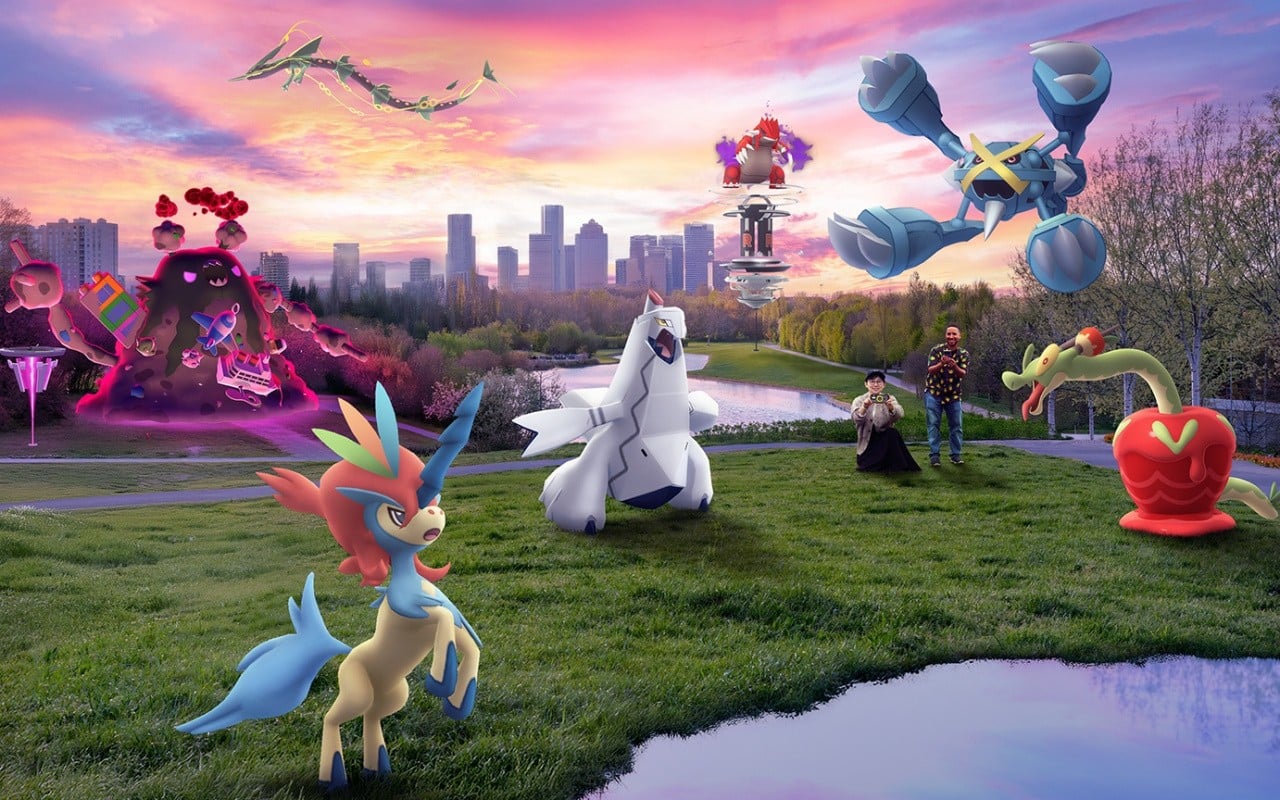
Pokémon GO, the location-based augmented-reality mobile game developed by Niantic in collaboration with The Pokémon Company, launched in July 2016 and has become one of the most successful mobile titles in gaming history.
As the app approaches its tenth anniversary, industry figures are weighing future directions for the franchise.
Scopely president of games Ed Wu — who previously served as senior vice president on Pokémon GO at Niantic — recently told GamesIndustry.biz that a direct sequel is not the right path at this time.
Wu argued that building a standalone sequel would risk splitting the large, active community that has grown around the live-service title.
In his remarks, he said creating a follow-up that fractures the player base would not be the best strategic choice and that any future projects should take a different approach while maintaining the core idea of inspiring people to explore together.
That perspective echoes decisions made by other major franchises.
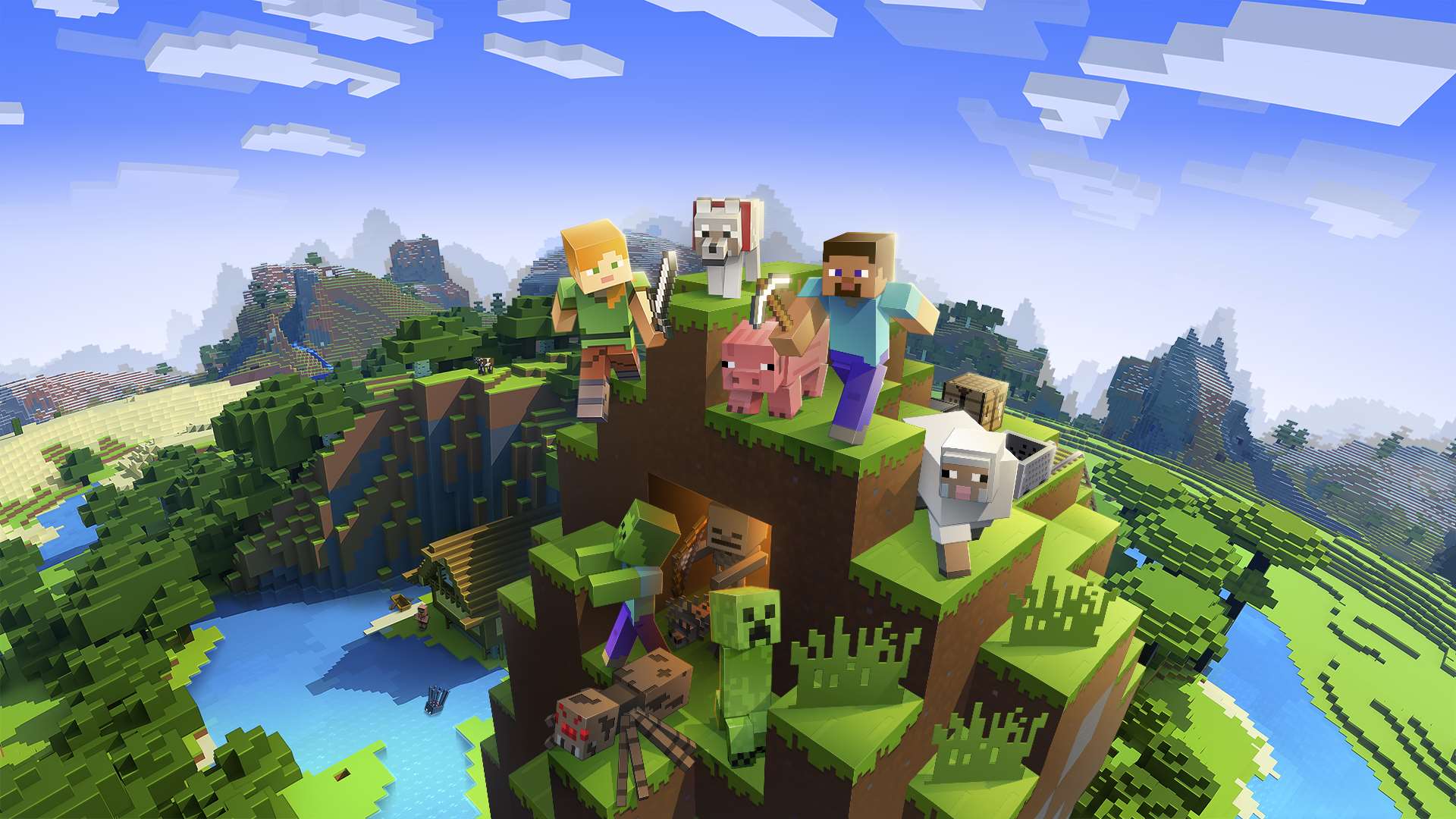
Minecraft, developed by Mojang, has expanded and iterated on its original game rather than issuing a numbered sequel, choosing to grow its player community around a single, evolving platform.
Pokémon GO remains a mobile-first experience available on iOS and Android via the App Store and Google Play; it has not been released for Nintendo Switch or the Nintendo eShop.
The game has exceeded 500 million downloads worldwide and is estimated to have generated more than $8.8 billion in lifetime revenue, underscoring the scale of the community Wu references.
Niantic has also diversified its portfolio beyond Pokémon.
The studio has developed and published titles in collaboration with other IP holders, including the 2023 release Monster Hunter Now with Capcom, demonstrating a strategy of applying its augmented-reality and live-service expertise to multiple franchises.
For publishers and developers watching the live-service market, Wu’s comments highlight a growing industry consideration: whether to protect and grow an established community within one evolving title or to pursue sequels that might fragment players.
In the case of Pokémon GO, the current, verified facts — large download numbers, substantial revenue figures, and ongoing live updates — underpin Scopely’s and Wu’s caution about launching a direct sequel.
As always, Nintendo-related platforms such as the Nintendo Switch continue to host core Pokémon entries from The Pokémon Company, while Pokémon GO’s future plans will be guided by its mobile audience and Niantic’s continued partnerships and live-service model.
Pokémon GO, the location-based augmented-reality mobile game developed by Niantic in collaboration with The Pokémon Company, launched in July 2016 and has become one of the most successful mobile titles in gaming history.
As the app approaches its tenth anniversary, industry figures are weighing future directions for the franchise.
Scopely president of games Ed Wu — who previously served as senior vice president on Pokémon GO at Niantic — recently told GamesIndustry.biz that a direct sequel is not the right path at this time.
Wu argued that building a standalone sequel would risk splitting the large, active community that has grown around the live-service title.
In his remarks, he said creating a follow-up that fractures the player base would not be the best strategic choice and that any future projects should take a different approach while maintaining the core idea of inspiring people to explore together.
That perspective echoes decisions made by other major franchises.
Minecraft, developed by Mojang, has expanded and iterated on its original game rather than issuing a numbered sequel, choosing to grow its player community around a single, evolving platform.
Pokémon GO remains a mobile-first experience available on iOS and Android via the App Store and Google Play; it has not been released for Nintendo Switch or the Nintendo eShop.
The game has exceeded 500 million downloads worldwide and is estimated to have generated more than $8.8 billion in lifetime revenue, underscoring the scale of the community Wu references.
Niantic has also diversified its portfolio beyond Pokémon.
The studio has developed and published titles in collaboration with other IP holders, including the 2023 release Monster Hunter Now with Capcom, demonstrating a strategy of applying its augmented-reality and live-service expertise to multiple franchises.
For publishers and developers watching the live-service market, Wu’s comments highlight a growing industry consideration: whether to protect and grow an established community within one evolving title or to pursue sequels that might fragment players.
In the case of Pokémon GO, the current, verified facts — large download numbers, substantial revenue figures, and ongoing live updates — underpin Scopely’s and Wu’s caution about launching a direct sequel.
As always, Nintendo-related platforms such as the Nintendo Switch continue to host core Pokémon entries from The Pokémon Company, while Pokémon GO’s future plans will be guided by its mobile audience and Niantic’s continued partnerships and live-service model.