
For gamers steeped in the golden eras of the 1980s and 1990s, Sega’s hardware journey remains a touchstone in video game history.
Once a fierce competitor to Nintendo, Sega built a passionate global fanbase with iconic home consoles and acclaimed exclusives.
However, after the release of the Dreamcast near the end of the 1990s—a system that pushed technical boundaries but struggled commercially—Sega made the pivotal decision to exit hardware manufacturing in 2001.
The move transformed Sega from a console maker into a third-party publisher, allowing its storied franchises to reach new audiences across PlayStation, Xbox, and beyond.
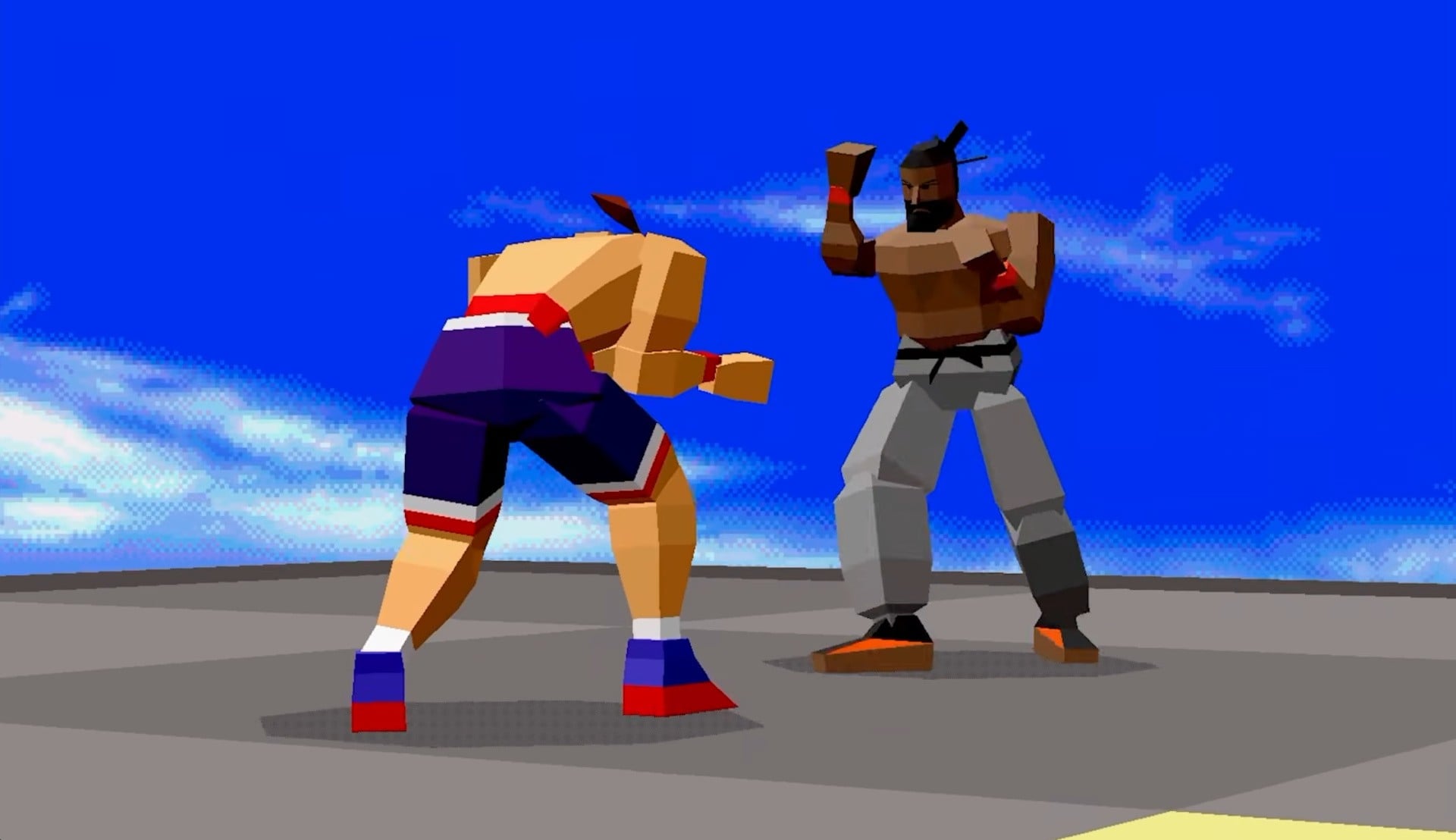
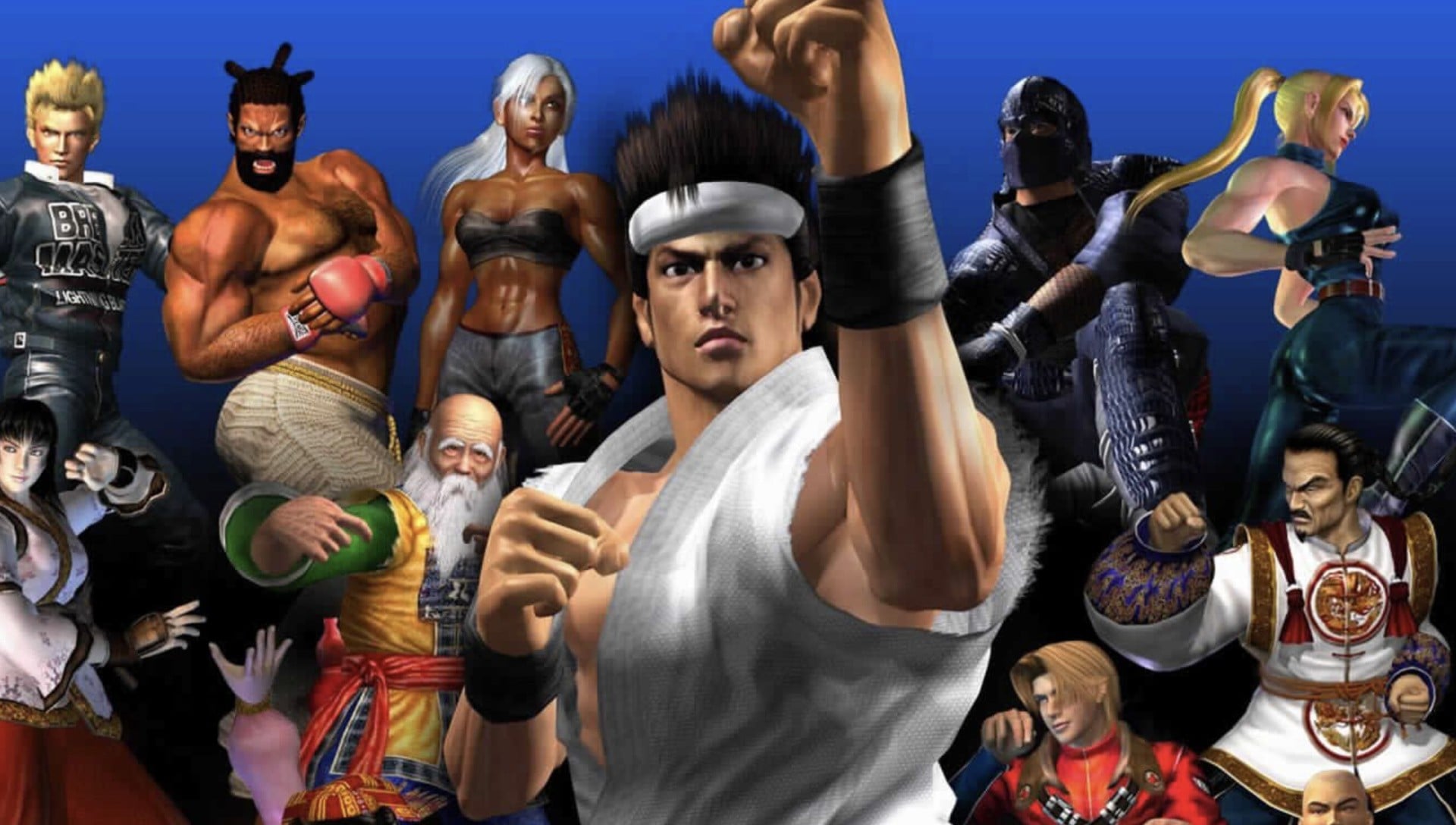
One notable example is Virtua Fighter 4, developed by legendary designer Yu Suzuki and AM2.
The fighting game debuted in Japanese arcades in 2001 on Sega's advanced NAOMI 2 arcade system, a platform technologically related to the Dreamcast.
Virtua Fighter 4 would later arrive on Sony’s PlayStation 2 in 2002, drawing praise for its deep mechanics and graphical fidelity but leaving Dreamcast owners wishing for a home console release that never came.
Now, nearly 25 years later, a remarkable milestone has reignited discussion among Sega enthusiasts.
Community developer Esppiral, who previously brought new life to the Dreamcast version of Dead Or Alive 2, has successfully rendered Virtua Fighter 4’s iconic Temple stage running natively on Dreamcast hardware.
While this proof-of-concept currently features only a static stage with a single character, Akira, displayed twice and lacking in animation or physics, it is a testament to both the enduring interest in Sega’s legacy hardware and the technical prowess of its fanbase.
Industry observer @falco_girgis commented on the project, emphasizing that, "From a technical standpoint, there’s little doubt anymore that a full port could be achieved.
The real challenge lies not in capability, but in the absence of the original source code.
Any attempt would require extensive reverse engineering and reworking to transition the title from its original platform to the Dreamcast.
While technically possible, a feasible port may only become reality if someone undertakes a complete decompilation."
This experiment aligns with an emerging trend in the Dreamcast homebrew community.
Recent years have seen successful ports of beloved titles such as Grand Theft Auto III, Grand Theft Auto: Vice City, Mario Kart 64, WipEout, and Star Fox 64 to Sega’s last home console, showcasing both ongoing technical breakthroughs and the platform’s sustained appeal.
Sega’s evolution from hardware pioneer to third-party publisher remains one of gaming’s most significant turning points, opening doors for partnerships and cross-platform releases that were once unthinkable.
Projects like Esppiral’s Virtua Fighter 4 demo highlight not only the deep-seated admiration for Sega’s classics, but also the imagination and technical skill of the global gaming community.
As fan-driven preservation and experimentation continue to thrive, the Dreamcast legacy remains as vibrant as ever.
Once a fierce competitor to Nintendo, Sega built a passionate global fanbase with iconic home consoles and acclaimed exclusives.
However, after the release of the Dreamcast near the end of the 1990s—a system that pushed technical boundaries but struggled commercially—Sega made the pivotal decision to exit hardware manufacturing in 2001.
The move transformed Sega from a console maker into a third-party publisher, allowing its storied franchises to reach new audiences across PlayStation, Xbox, and beyond.
One notable example is Virtua Fighter 4, developed by legendary designer Yu Suzuki and AM2.
The fighting game debuted in Japanese arcades in 2001 on Sega's advanced NAOMI 2 arcade system, a platform technologically related to the Dreamcast.
Virtua Fighter 4 would later arrive on Sony’s PlayStation 2 in 2002, drawing praise for its deep mechanics and graphical fidelity but leaving Dreamcast owners wishing for a home console release that never came.
Now, nearly 25 years later, a remarkable milestone has reignited discussion among Sega enthusiasts.
Community developer Esppiral, who previously brought new life to the Dreamcast version of Dead Or Alive 2, has successfully rendered Virtua Fighter 4’s iconic Temple stage running natively on Dreamcast hardware.
While this proof-of-concept currently features only a static stage with a single character, Akira, displayed twice and lacking in animation or physics, it is a testament to both the enduring interest in Sega’s legacy hardware and the technical prowess of its fanbase.
Industry observer @falco_girgis commented on the project, emphasizing that, "From a technical standpoint, there’s little doubt anymore that a full port could be achieved.
The real challenge lies not in capability, but in the absence of the original source code.
Any attempt would require extensive reverse engineering and reworking to transition the title from its original platform to the Dreamcast.
While technically possible, a feasible port may only become reality if someone undertakes a complete decompilation."
This experiment aligns with an emerging trend in the Dreamcast homebrew community.
Recent years have seen successful ports of beloved titles such as Grand Theft Auto III, Grand Theft Auto: Vice City, Mario Kart 64, WipEout, and Star Fox 64 to Sega’s last home console, showcasing both ongoing technical breakthroughs and the platform’s sustained appeal.
Sega’s evolution from hardware pioneer to third-party publisher remains one of gaming’s most significant turning points, opening doors for partnerships and cross-platform releases that were once unthinkable.
Projects like Esppiral’s Virtua Fighter 4 demo highlight not only the deep-seated admiration for Sega’s classics, but also the imagination and technical skill of the global gaming community.
As fan-driven preservation and experimentation continue to thrive, the Dreamcast legacy remains as vibrant as ever.