The long-running Dragon Quest franchise is at the center of a heated debate after Square Enix revealed a new mobile spin-off that many fans say borrows heavily from Akira Toriyama’s iconic character designs.
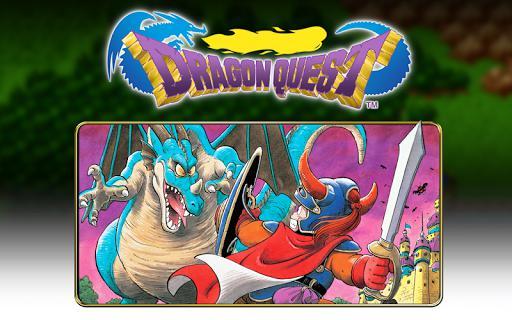
Dragon Quest has been a pillar of JRPG history since its debut on Nintendo’s Famicom in 1986, and the series remains active—Dragon Quest XII: Beyond Dreams is still listed as an upcoming mainline entry from Square Enix with no official release date announced.
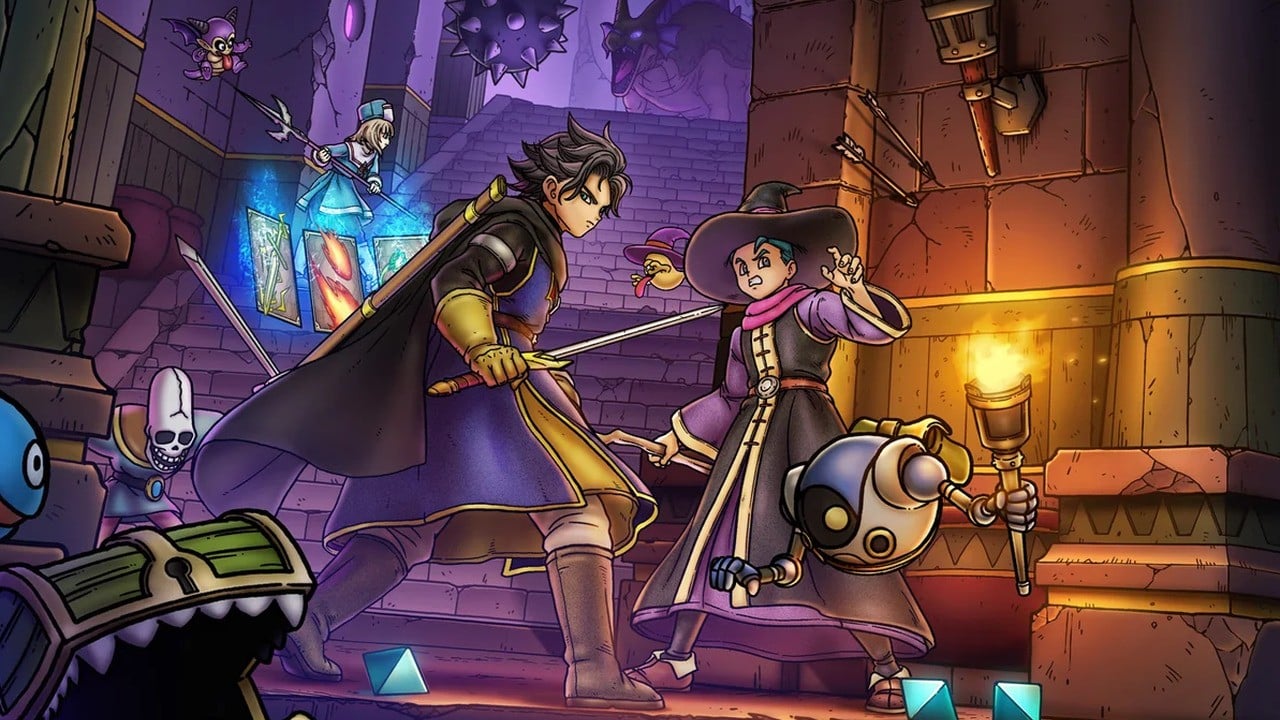
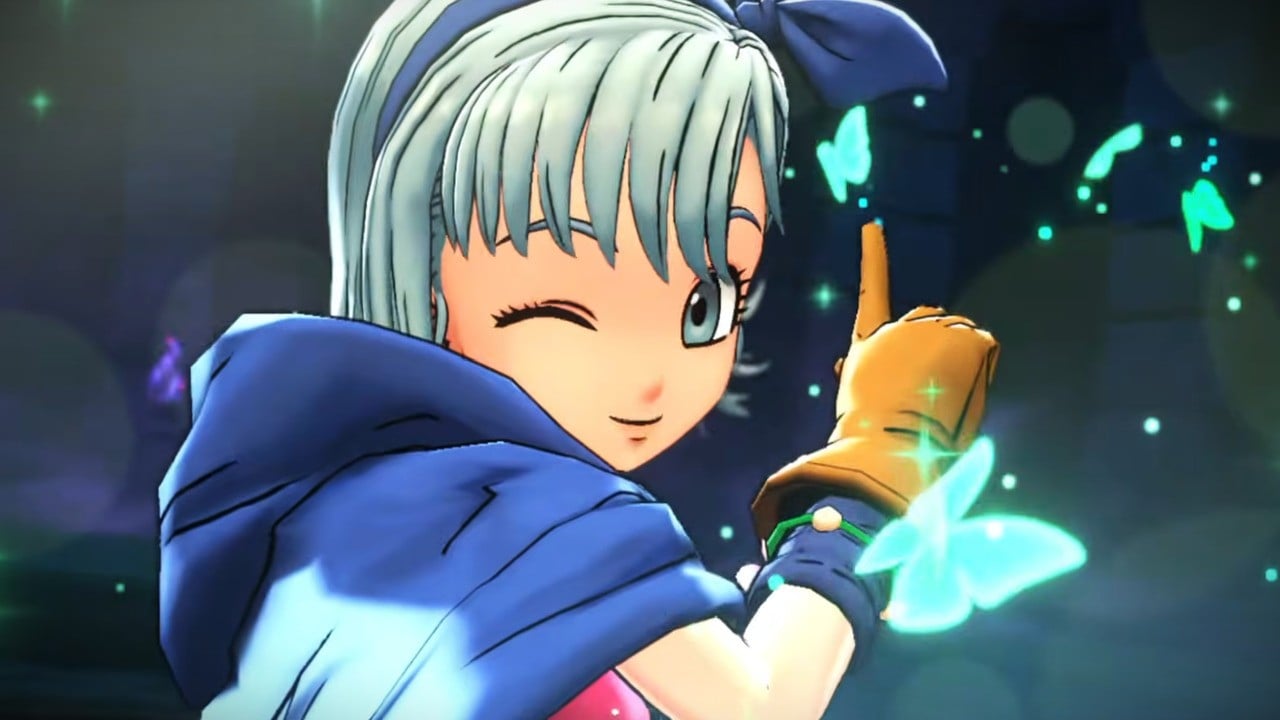
Meanwhile, the new mobile title billed as Dragon Quest RPG: The Cursed Tree and the Chosen Isle has drawn attention for its lead character’s art style and the broader question of how the series should proceed visually.
Composer Yasunori Mitsuda, best known for his work on Chrono Trigger and other prominent game soundtracks, addressed the controversy on his personal blog.
Mitsuda expressed clear reservations about the direction the mobile project appears to be taking.
In journalistic terms, Mitsuda said he did not believe this artistic direction was appropriate for the living artist, the franchise’s fans, or for Toriyama himself.
He argued that repeatedly attempting to reproduce the same visual signatures undermines the potential for new creative expressions and suggested that the series’ creators consider fresh approaches rather than rehashing established looks.
Fan reaction to the spin-off has ranged from nostalgia to outright criticism.
Some players and observers have speculated online that the character art resembles AI-assisted or derivative recreations of Toriyama’s illustrations, a point that has fueled much of the debate.
Others point to precedent in the industry, where long-running properties have continued under new artistic teams while maintaining the original creator’s involvement in writing or supervision; critics note that any new work without direct input from the original artist will inevitably be read through the lens of that absence.
For context, Dragon Quest has a cross-generational track record across Nintendo platforms, including entries and remasters released for systems like the Nintendo Switch and distributed via digital storefronts such as the eShop.
Square Enix has not provided further development details for the mobile spin-off beyond its initial announcement, and the company has a history of both mainline and mobile entries in the franchise.
Mitsuda concluded by emphasizing the series’ enduring appeal and the importance of games delivering unique experiences to younger players.
His remarks have resonated within the community and underscore an ongoing conversation about legacy, artistic integrity, and the future direction of one of Japan’s most storied RPG franchises.
Source: Mitsuda’s personal blog (Mitsuda’s Diary).