Super Mario Sunshine: 3D All-Stars vs. GameCube — Visuals, Accessibility, and Which Version to Play
Super Mario Sunshine arrived on Nintendo's GameCube in 2002 and was developed by Nintendo's internal teams—the title is widely credited to Nintendo EAD with Shigeru Miyamoto as a key creative figure.
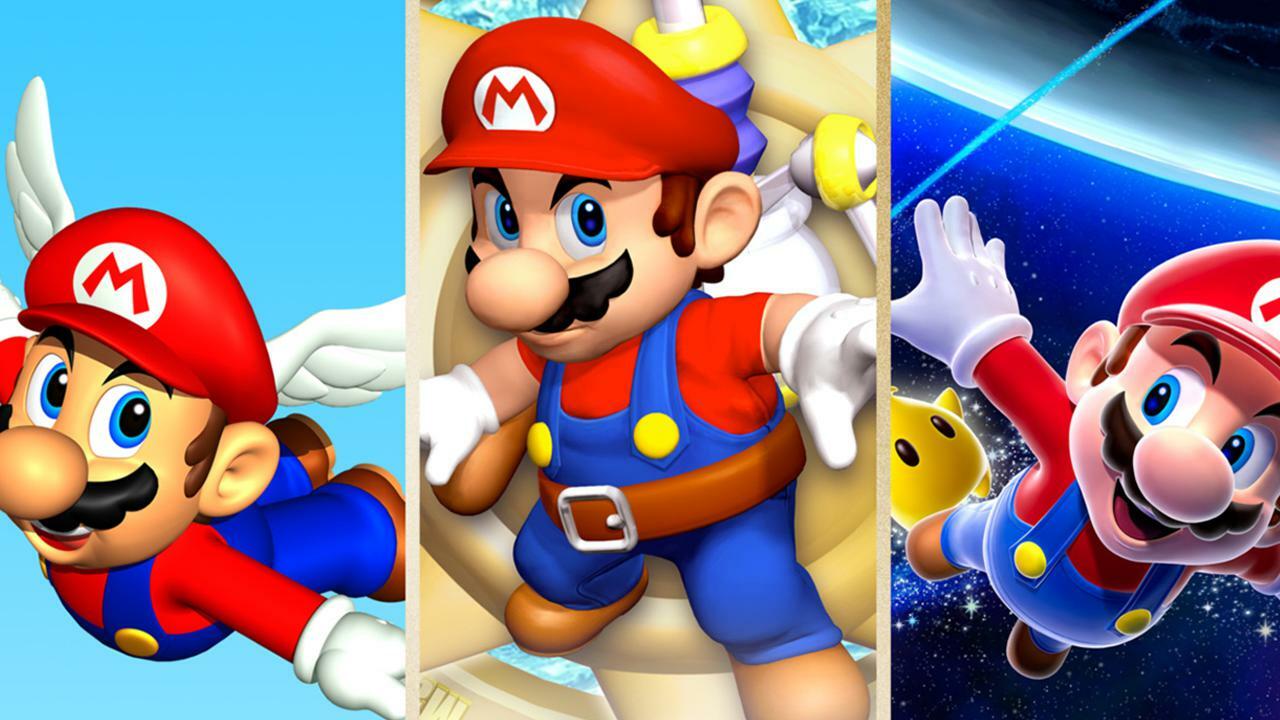
In September 2020 Nintendo packaged Sunshine alongside Super Mario 64 and Super Mario Galaxy in Super Mario 3D All-Stars for Nintendo Switch (released September 18, 2020) as part of Mario's 35th anniversary; that compilation was available digitally for a limited time and was delisted on March 31, 2021.
For players seeking modern access to Sunshine, owning 3D All-Stars from before the delist remains the primary official option on current consoles, while original GameCube hardware still provides the authentic experience.
Graphics and presentation
Many players and critics observed that the Super Mario 3D All-Stars edition delivers a higher-resolution presentation and a widescreen adaptation that differs from the GameCube original.
The compilation upscales the game's visuals, converts the image to widescreen, and restores several pre-rendered cutscenes for clearer playback on modern displays.
UI elements were redrawn in higher resolution for the Switch release, producing a cleaner on-screen interface compared with the original GameCube release, which was designed for CRT displays and retains its original aspect ratio and legacy cutscenes.
Input and control differences
Players looking for the most authentic feel often point to original GameCube hardware because of its native analog inputs.
Journalistically restated: many players report that the GameCube controller's analog triggers and button feel produce subtle input behavior that differs from modern Switch controllers.
That difference has led some fans to prefer the original console when precise analog trigger behavior—especially when modulating F.L.U.D.D.'s water pressure—is important to their playstyle.
Accessibility and save conveniences
Super Mario Sunshine has a reputation among veteran players as one of the more challenging 3D Mario titles; commentators and long-time fans frequently describe it as less forgiving than other entries in the series.
Modern re-releases and emulated builds commonly add conveniences such as save states and faster load handling that make repeated attempts at difficult platforming segments easier for newcomers.
For players trying Sunshine for the first time, these conveniences can be decisive when tackling later levels and difficult Blue Coin hunts.
Which version should you pick?
If you prioritize upgraded visuals and a native Switch release, Super Mario 3D All-Stars offers a polished presentation on modern screens.
If you value original input feel and the authentic GameCube experience, playing on original hardware remains the gold standard.
And if accessibility tools like save states are a must, players often turn to modern emulation or versions that include those features to ease progression.
Whichever route you choose, Super Mario Sunshine's level design and unique F.L.U.D.D. mechanics continue to make it a notable chapter in Nintendo's platforming history.
Which version do you prefer — the upscaled Super Mario 3D All-Stars build, the authentic GameCube release, or a more accessible emulated experience?
Share your thoughts on visuals, controls, and difficulty.
Super Mario Sunshine arrived on Nintendo's GameCube in 2002 and was developed by Nintendo's internal teams—the title is widely credited to Nintendo EAD with Shigeru Miyamoto as a key creative figure.
In September 2020 Nintendo packaged Sunshine alongside Super Mario 64 and Super Mario Galaxy in Super Mario 3D All-Stars for Nintendo Switch (released September 18, 2020) as part of Mario's 35th anniversary; that compilation was available digitally for a limited time and was delisted on March 31, 2021.
For players seeking modern access to Sunshine, owning 3D All-Stars from before the delist remains the primary official option on current consoles, while original GameCube hardware still provides the authentic experience.
Graphics and presentation
Many players and critics observed that the Super Mario 3D All-Stars edition delivers a higher-resolution presentation and a widescreen adaptation that differs from the GameCube original.
The compilation upscales the game's visuals, converts the image to widescreen, and restores several pre-rendered cutscenes for clearer playback on modern displays.
UI elements were redrawn in higher resolution for the Switch release, producing a cleaner on-screen interface compared with the original GameCube release, which was designed for CRT displays and retains its original aspect ratio and legacy cutscenes.
Input and control differences
Players looking for the most authentic feel often point to original GameCube hardware because of its native analog inputs.
Journalistically restated: many players report that the GameCube controller's analog triggers and button feel produce subtle input behavior that differs from modern Switch controllers.
That difference has led some fans to prefer the original console when precise analog trigger behavior—especially when modulating F.L.U.D.D.'s water pressure—is important to their playstyle.
Accessibility and save conveniences
Super Mario Sunshine has a reputation among veteran players as one of the more challenging 3D Mario titles; commentators and long-time fans frequently describe it as less forgiving than other entries in the series.
Modern re-releases and emulated builds commonly add conveniences such as save states and faster load handling that make repeated attempts at difficult platforming segments easier for newcomers.
For players trying Sunshine for the first time, these conveniences can be decisive when tackling later levels and difficult Blue Coin hunts.
Which version should you pick?
If you prioritize upgraded visuals and a native Switch release, Super Mario 3D All-Stars offers a polished presentation on modern screens.
If you value original input feel and the authentic GameCube experience, playing on original hardware remains the gold standard.
And if accessibility tools like save states are a must, players often turn to modern emulation or versions that include those features to ease progression.
Whichever route you choose, Super Mario Sunshine's level design and unique F.L.U.D.D. mechanics continue to make it a notable chapter in Nintendo's platforming history.
Which version do you prefer — the upscaled Super Mario 3D All-Stars build, the authentic GameCube release, or a more accessible emulated experience?
Share your thoughts on visuals, controls, and difficulty.