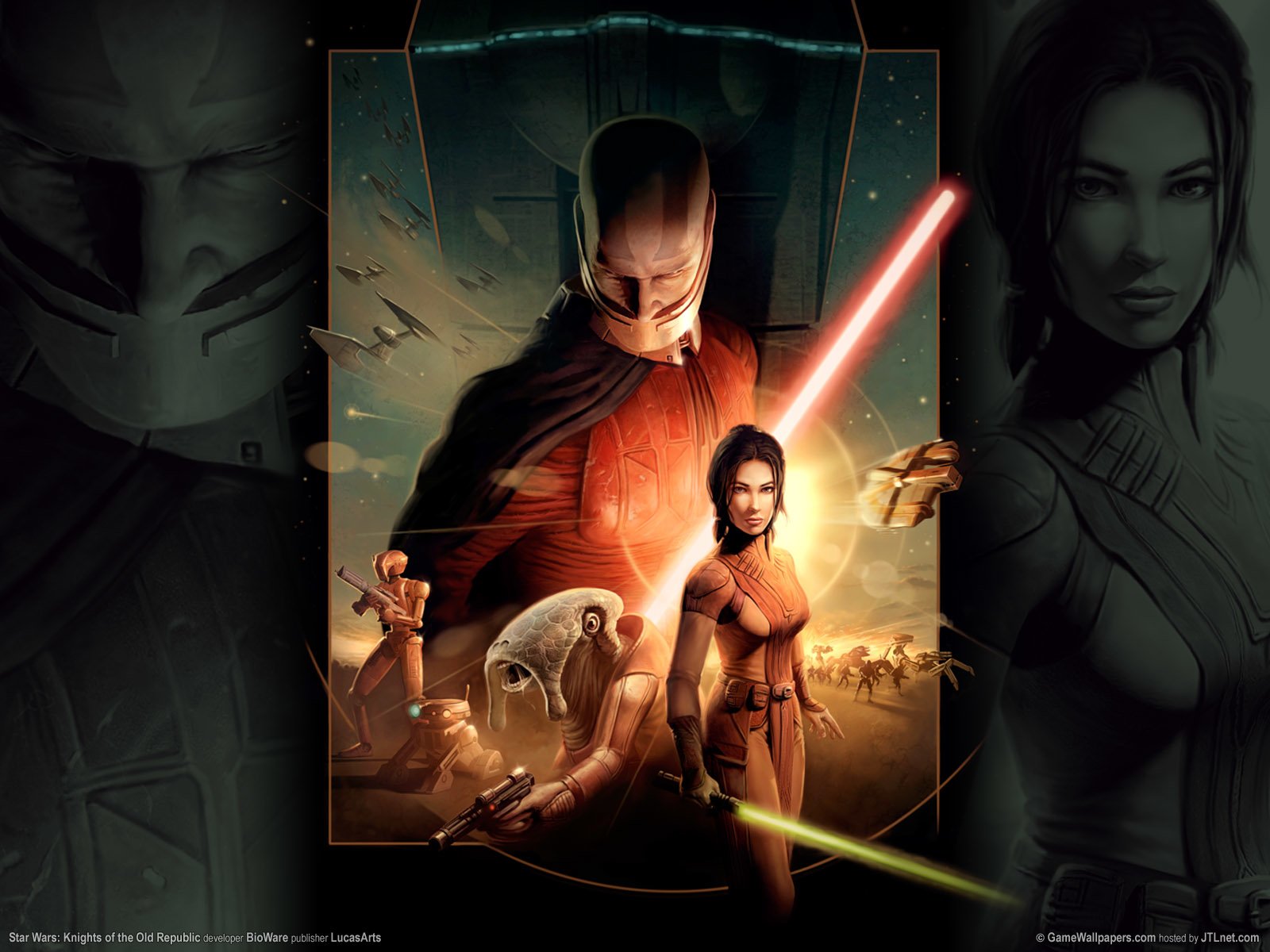
Star Wars: Knights Of The Old Republic II – The Sith Lords, developed by Aspyr and published by Saber Interactive, has long been a celebrated entry in the Star Wars gaming franchise.
Released for the Nintendo Switch in June 2022, the game’s reissue generated considerable excitement, thanks in large part to the promised Restored Content DLC—a downloadable update that was set to include significant story elements cut from the original release.
However, the subsequent cancellation of this highly anticipated DLC has led to substantial backlash from fans, culminating in a class-action lawsuit against the game's developer and publisher.
The Restored Content DLC for Knights Of The Old Republic II (often abbreviated as KOTOR 2) was marketed as a major selling point for the Nintendo Switch version.
Fans were set to receive new dialogue, expanded interactions, an extra mission featuring the iconic droid HK-47, and an enhanced ending that would have finally fulfilled many long-standing community hopes.
At launch, this feature helped elevate KOTOR 2 to the top of the Nintendo Switch eShop rankings, with pre-release marketing emphasizing the soon-to-be available content.
Yet, in mid-2023, Aspyr and Saber Interactive announced the abrupt cancellation of the Restored Content DLC.
The news dealt a blow to fans who had purchased the Switch version specifically for the expanded content and complete experience promised by early communications.
Instead of releasing the DLC, Aspyr and Saber attempted to compensate affected players by providing complimentary keys for other previously published Star Wars titles.
While this offer was intended as restitution, a vocal segment of the game's player base felt that it did not sufficiently address the loss of the expected content.
As detailed in current court filings, a group of consumers has now brought a class-action lawsuit against Aspyr and Saber Interactive.
The plaintiffs claim that the companies advertised Knights Of The Old Republic II with the yet-to-be-released Restored Content DLC, assuring customers it would be available on Nintendo Switch soon after launch.
Many fans, according to case documents, waited to play the game until the DLC was released.
The lawsuit alleges that, had the true status of the DLC been known, these customers would not have purchased the game, and as such, seek refunds over what they view as misleading advertising and unmet promises.
Specifically, one plaintiff noted feeling deceived, indicating they did not play the game while awaiting the content that was ultimately scrapped.
Aspyr and Saber Interactive have so far not issued direct refunds for these customers but stand by their provision of digital Star Wars game keys as compensation.
The outcome of the lawsuit remains pending, and whether this form of compensation will be deemed sufficient in a legal context is yet to be determined.
This episode marks a noteworthy moment in the relationship between digital publishers and their audiences, especially where post-launch promises are concerned.
As the situation unfolds, it highlights the importance of transparent communication and delivery of promised features—particularly on major platforms like the Nintendo Switch and the Nintendo Switch eShop.
Released for the Nintendo Switch in June 2022, the game’s reissue generated considerable excitement, thanks in large part to the promised Restored Content DLC—a downloadable update that was set to include significant story elements cut from the original release.
However, the subsequent cancellation of this highly anticipated DLC has led to substantial backlash from fans, culminating in a class-action lawsuit against the game's developer and publisher.
The Restored Content DLC for Knights Of The Old Republic II (often abbreviated as KOTOR 2) was marketed as a major selling point for the Nintendo Switch version.
Fans were set to receive new dialogue, expanded interactions, an extra mission featuring the iconic droid HK-47, and an enhanced ending that would have finally fulfilled many long-standing community hopes.
At launch, this feature helped elevate KOTOR 2 to the top of the Nintendo Switch eShop rankings, with pre-release marketing emphasizing the soon-to-be available content.
Yet, in mid-2023, Aspyr and Saber Interactive announced the abrupt cancellation of the Restored Content DLC.
The news dealt a blow to fans who had purchased the Switch version specifically for the expanded content and complete experience promised by early communications.
Instead of releasing the DLC, Aspyr and Saber attempted to compensate affected players by providing complimentary keys for other previously published Star Wars titles.
While this offer was intended as restitution, a vocal segment of the game's player base felt that it did not sufficiently address the loss of the expected content.
As detailed in current court filings, a group of consumers has now brought a class-action lawsuit against Aspyr and Saber Interactive.
The plaintiffs claim that the companies advertised Knights Of The Old Republic II with the yet-to-be-released Restored Content DLC, assuring customers it would be available on Nintendo Switch soon after launch.
Many fans, according to case documents, waited to play the game until the DLC was released.
The lawsuit alleges that, had the true status of the DLC been known, these customers would not have purchased the game, and as such, seek refunds over what they view as misleading advertising and unmet promises.
Specifically, one plaintiff noted feeling deceived, indicating they did not play the game while awaiting the content that was ultimately scrapped.
Aspyr and Saber Interactive have so far not issued direct refunds for these customers but stand by their provision of digital Star Wars game keys as compensation.
The outcome of the lawsuit remains pending, and whether this form of compensation will be deemed sufficient in a legal context is yet to be determined.
This episode marks a noteworthy moment in the relationship between digital publishers and their audiences, especially where post-launch promises are concerned.
As the situation unfolds, it highlights the importance of transparent communication and delivery of promised features—particularly on major platforms like the Nintendo Switch and the Nintendo Switch eShop.