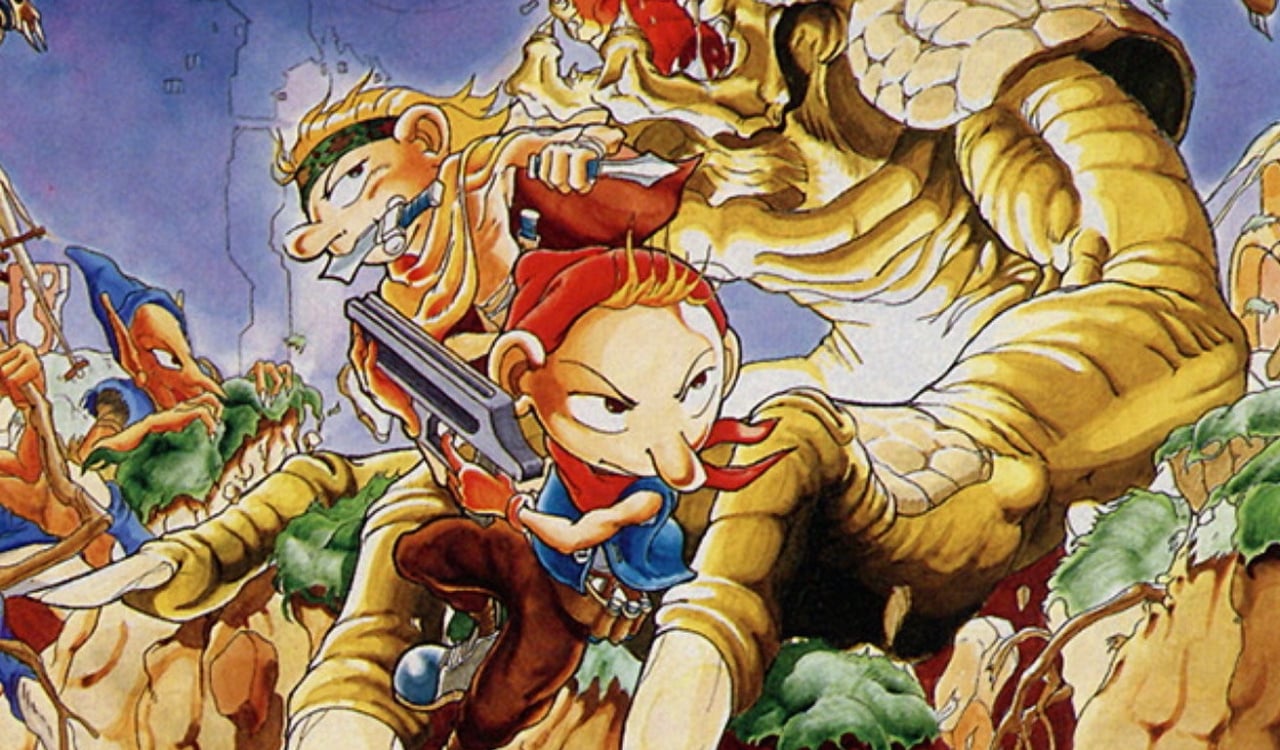
A new playable demo for a Neo Geo port of Capcom’s 1991 arcade run-and-gun Midnight Wanderers is now available on itch.io.
The fan-led project, developed by DomKid and built with Earok’s Scorpion Engine, offers a first look at how the classic title is being adapted for Neo Geo AES/MVS/CD hardware and emulation.
Background and context
Midnight Wanderers first launched in arcades in 1991 as part of Capcom’s Three Wonders compilation alongside the shooter Chariot and puzzle title Don’t Pull.
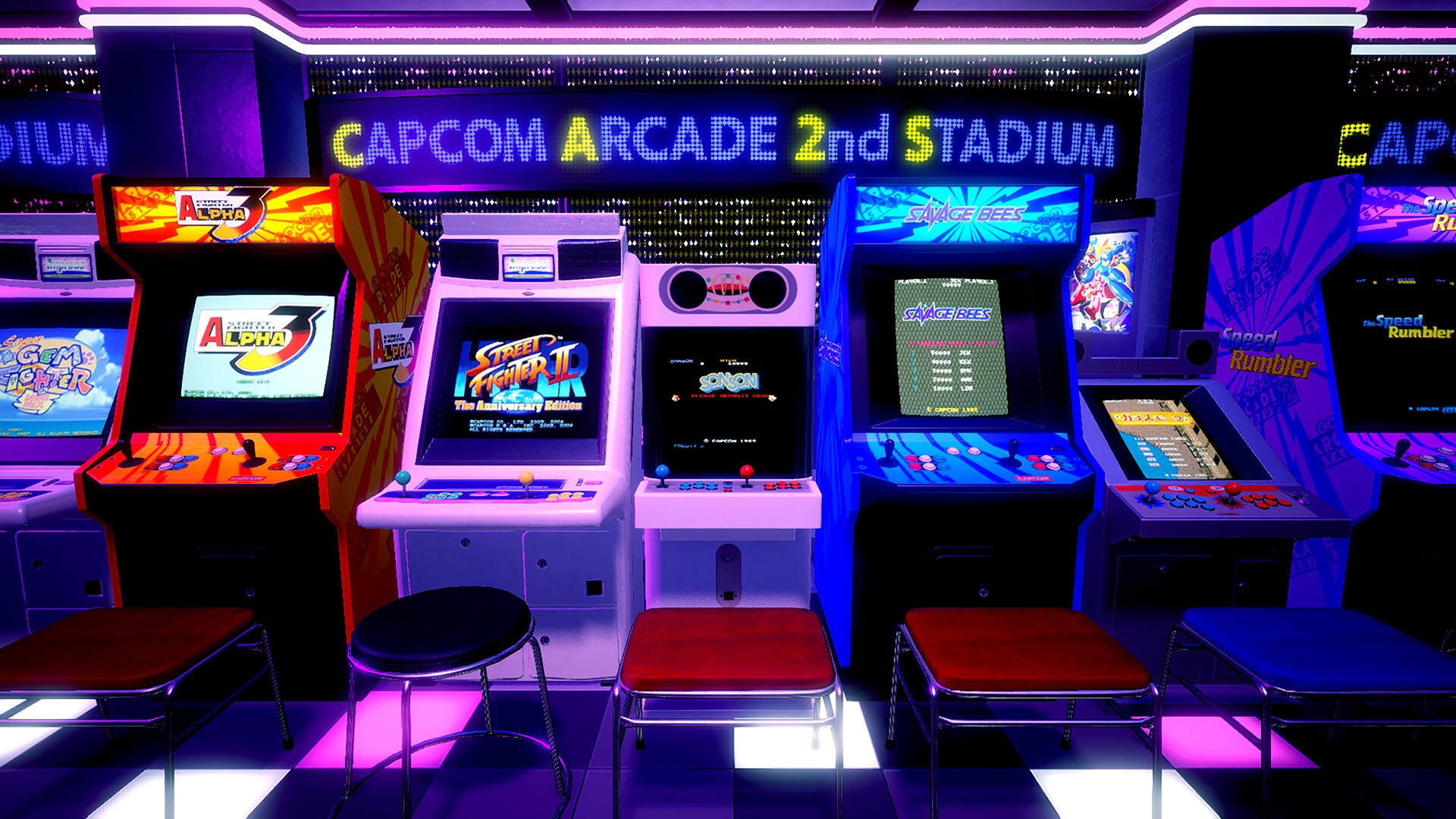
The original arcade release ran on Capcom’s CP-1 hardware and has since appeared in multiple retro collections, most recently as part of Capcom Arcade 2nd Stadium in 2022 for Nintendo Switch, PC, Xbox One, and PlayStation 4.
A planned Capcom Power System Changer home release was advertised historically but never materialized; a licensed PlayStation and Sega Saturn compilation was published by Xing Entertainment in Japan in 1998.
What’s in the new demo
DomKid has released a free demo on itch.io that contains completed versions of two of Midnight Wanderers’ five stages so players can evaluate the port’s progress.
The project uses Earok’s Scorpion Engine and, according to the developer, is not intended to be an exact 1:1 copy of the arcade original.
The current build includes roughly 30 animations for the main player and a basic recreation of the game’s heads-up display.
Audio has not been implemented in the demo; music and sound effects are not present in this release.
How to play the demo
Players can download the demo from itch.io for free.
For play on original hardware, DomKid advises using a flash solution such as BackBit, Darksoft, NeoSD Terraonion, or a NeoCd SD loader to run the demo on Neo Geo AES, MVS, or CD systems.
The demo is also reported to run on emulators including MAME and Raine.
Developer notes (paraphrased)
DomKid explained that the Scorpion Engine is powering the Neo Geo port and reiterated the intent to continue development beyond the demo’s current state.
The developer described the release as an early look that showcases the engine work, player animations, and HUD reconstruction while acknowledging that audio remains to be added.
This demo release represents a tangible step for a high-profile homebrew effort that bridges Capcom arcade history and Neo Geo hardware, giving fans and preservationists a way to test the port on both original systems and modern emulation.
The fan-led project, developed by DomKid and built with Earok’s Scorpion Engine, offers a first look at how the classic title is being adapted for Neo Geo AES/MVS/CD hardware and emulation.
Background and context
Midnight Wanderers first launched in arcades in 1991 as part of Capcom’s Three Wonders compilation alongside the shooter Chariot and puzzle title Don’t Pull.
The original arcade release ran on Capcom’s CP-1 hardware and has since appeared in multiple retro collections, most recently as part of Capcom Arcade 2nd Stadium in 2022 for Nintendo Switch, PC, Xbox One, and PlayStation 4.
A planned Capcom Power System Changer home release was advertised historically but never materialized; a licensed PlayStation and Sega Saturn compilation was published by Xing Entertainment in Japan in 1998.
What’s in the new demo
DomKid has released a free demo on itch.io that contains completed versions of two of Midnight Wanderers’ five stages so players can evaluate the port’s progress.
The project uses Earok’s Scorpion Engine and, according to the developer, is not intended to be an exact 1:1 copy of the arcade original.
The current build includes roughly 30 animations for the main player and a basic recreation of the game’s heads-up display.
Audio has not been implemented in the demo; music and sound effects are not present in this release.
How to play the demo
Players can download the demo from itch.io for free.
For play on original hardware, DomKid advises using a flash solution such as BackBit, Darksoft, NeoSD Terraonion, or a NeoCd SD loader to run the demo on Neo Geo AES, MVS, or CD systems.
The demo is also reported to run on emulators including MAME and Raine.
Developer notes (paraphrased)
DomKid explained that the Scorpion Engine is powering the Neo Geo port and reiterated the intent to continue development beyond the demo’s current state.
The developer described the release as an early look that showcases the engine work, player animations, and HUD reconstruction while acknowledging that audio remains to be added.
This demo release represents a tangible step for a high-profile homebrew effort that bridges Capcom arcade history and Neo Geo hardware, giving fans and preservationists a way to test the port on both original systems and modern emulation.