




Capcom has leaned heavily into Resident Evil remakes in recent years, and producer Masachika Kawata has outlined the company’s reasoning in a recent interview with Game Informer.
The Resident Evil franchise—one of Capcom’s flagship properties that spans decades and multiple platforms—has seen a wave of successful modern remakes alongside new mainline entries.
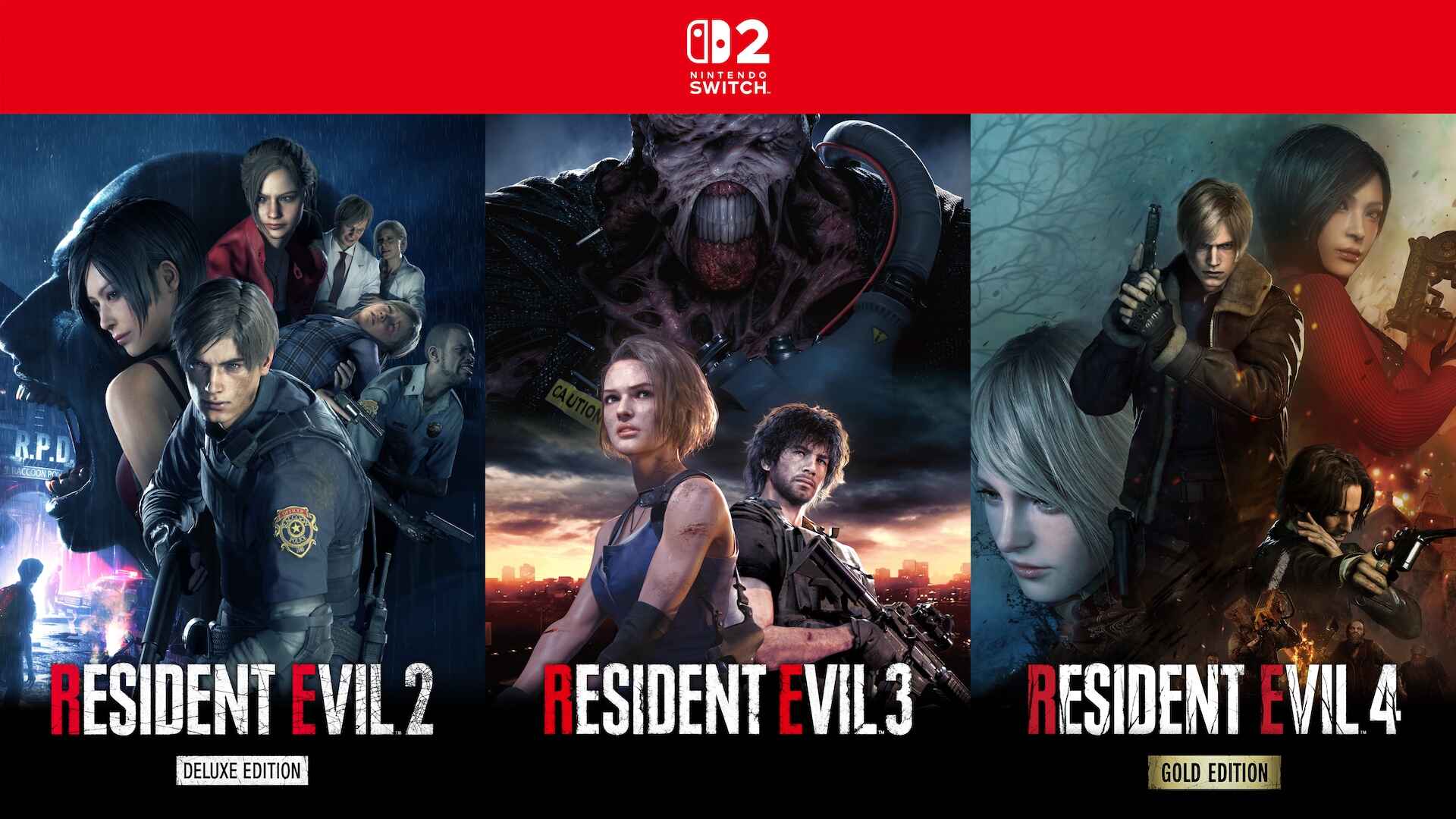
Titles such as Resident Evil 2 Remake (2019), Resident Evil 3 Remake (2020) and Resident Evil Village (2021) exemplify the studio’s parallel approach of refreshing older entries while delivering new experiences.
Kawata told Game Informer that remakes serve a practical production purpose: they allow Capcom to maintain a steadier release cadence for Resident Evil.
In his words, revisiting and modernizing earlier games helps the company provide fans with regular releases without the full resource burden of creating an entirely new mainline title every year.
He also emphasized that the remake work is creatively valuable for development teams, giving them a recurring opportunity to refine technical skills and production workflows.
Paraphrasing Kawata’s point: remakes help Capcom sustain a cycle of releases that fuels both ongoing franchise momentum and the financial stability needed to pursue completely new projects.
He cited original projects such as Pragmata, Capcom’s sci‑fi IP first announced in 2020, as an example of how resources freed by the remake/mainline cycle can support new development.
On the topic of spin-offs, Kawata explained that the apparent scarcity of new Resident Evil spin-off titles is largely a matter of resource allocation.
He said teams are currently concentrated on delivering mainline games and remakes, and as a result there is limited capacity to develop additional spin-off projects concurrently.
From an industry perspective, Capcom’s strategy reflects a balance between monetizing a strong catalogue and investing in new IP and flagship sequels.
Remakes have proven to be both critically and commercially effective for the company, and they have kept the Resident Evil brand consistently visible across platforms.
Nintendo platforms have historically hosted a number of Resident Evil releases via retail and the Nintendo eShop, and Capcom’s multi-platform approach continues to keep the series in the public eye.
Kawata’s comments clarify why fans may see more remakes than spin-offs for the time being: the approach stabilizes output, sharpens development teams, and helps fund both new entries and original titles.
The Resident Evil franchise—one of Capcom’s flagship properties that spans decades and multiple platforms—has seen a wave of successful modern remakes alongside new mainline entries.
Titles such as Resident Evil 2 Remake (2019), Resident Evil 3 Remake (2020) and Resident Evil Village (2021) exemplify the studio’s parallel approach of refreshing older entries while delivering new experiences.
Kawata told Game Informer that remakes serve a practical production purpose: they allow Capcom to maintain a steadier release cadence for Resident Evil.
In his words, revisiting and modernizing earlier games helps the company provide fans with regular releases without the full resource burden of creating an entirely new mainline title every year.
He also emphasized that the remake work is creatively valuable for development teams, giving them a recurring opportunity to refine technical skills and production workflows.
Paraphrasing Kawata’s point: remakes help Capcom sustain a cycle of releases that fuels both ongoing franchise momentum and the financial stability needed to pursue completely new projects.
He cited original projects such as Pragmata, Capcom’s sci‑fi IP first announced in 2020, as an example of how resources freed by the remake/mainline cycle can support new development.
On the topic of spin-offs, Kawata explained that the apparent scarcity of new Resident Evil spin-off titles is largely a matter of resource allocation.
He said teams are currently concentrated on delivering mainline games and remakes, and as a result there is limited capacity to develop additional spin-off projects concurrently.
From an industry perspective, Capcom’s strategy reflects a balance between monetizing a strong catalogue and investing in new IP and flagship sequels.
Remakes have proven to be both critically and commercially effective for the company, and they have kept the Resident Evil brand consistently visible across platforms.
Nintendo platforms have historically hosted a number of Resident Evil releases via retail and the Nintendo eShop, and Capcom’s multi-platform approach continues to keep the series in the public eye.
Kawata’s comments clarify why fans may see more remakes than spin-offs for the time being: the approach stabilizes output, sharpens development teams, and helps fund both new entries and original titles.