
Beyond the Dark: Nightwatch launched as a Nintendo Switch 2 exclusive on October 22, 2026.
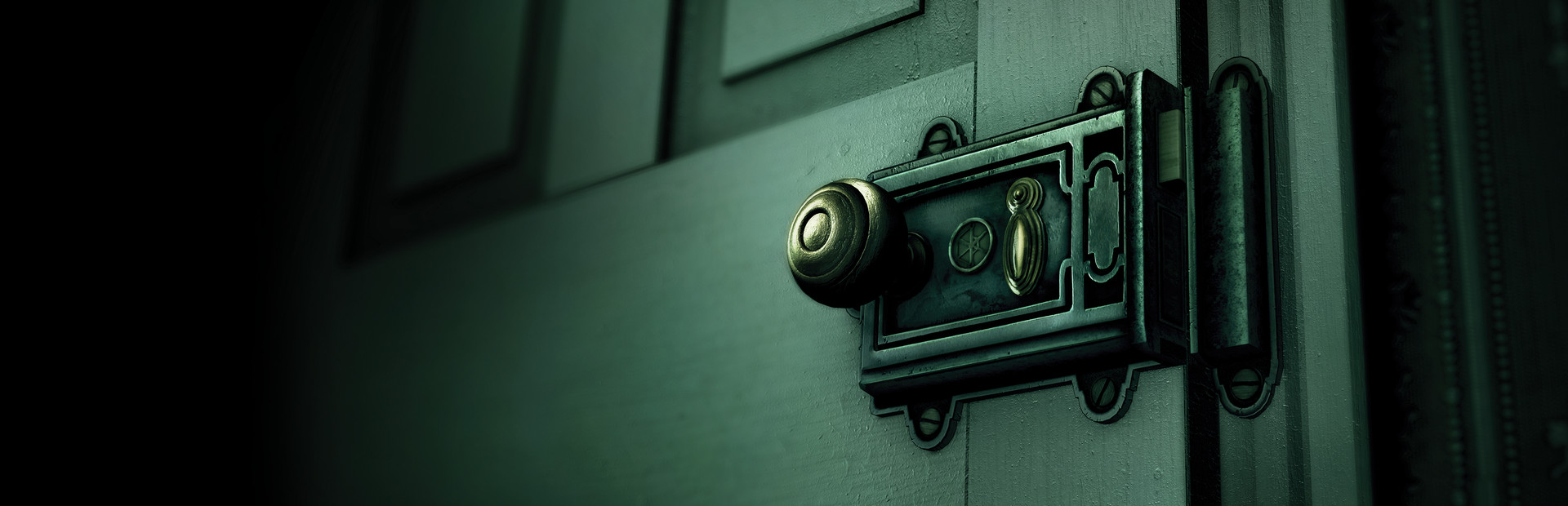
Developed and published by French studio Atlantis Studio, the title is a two-player, asymmetrical cooperative horror-puzzle game that asks partners to combine first-person exploration with remote camera surveillance to escape a haunted mansion.
Gameplay and multiplayer structure
Beyond the Dark is strictly a two-player experience: there is no single-player mode or AI companion.
Multiplayer options include online play with friends only (no public matchmaking), local wireless, and Nintendo’s GameShare functionality.
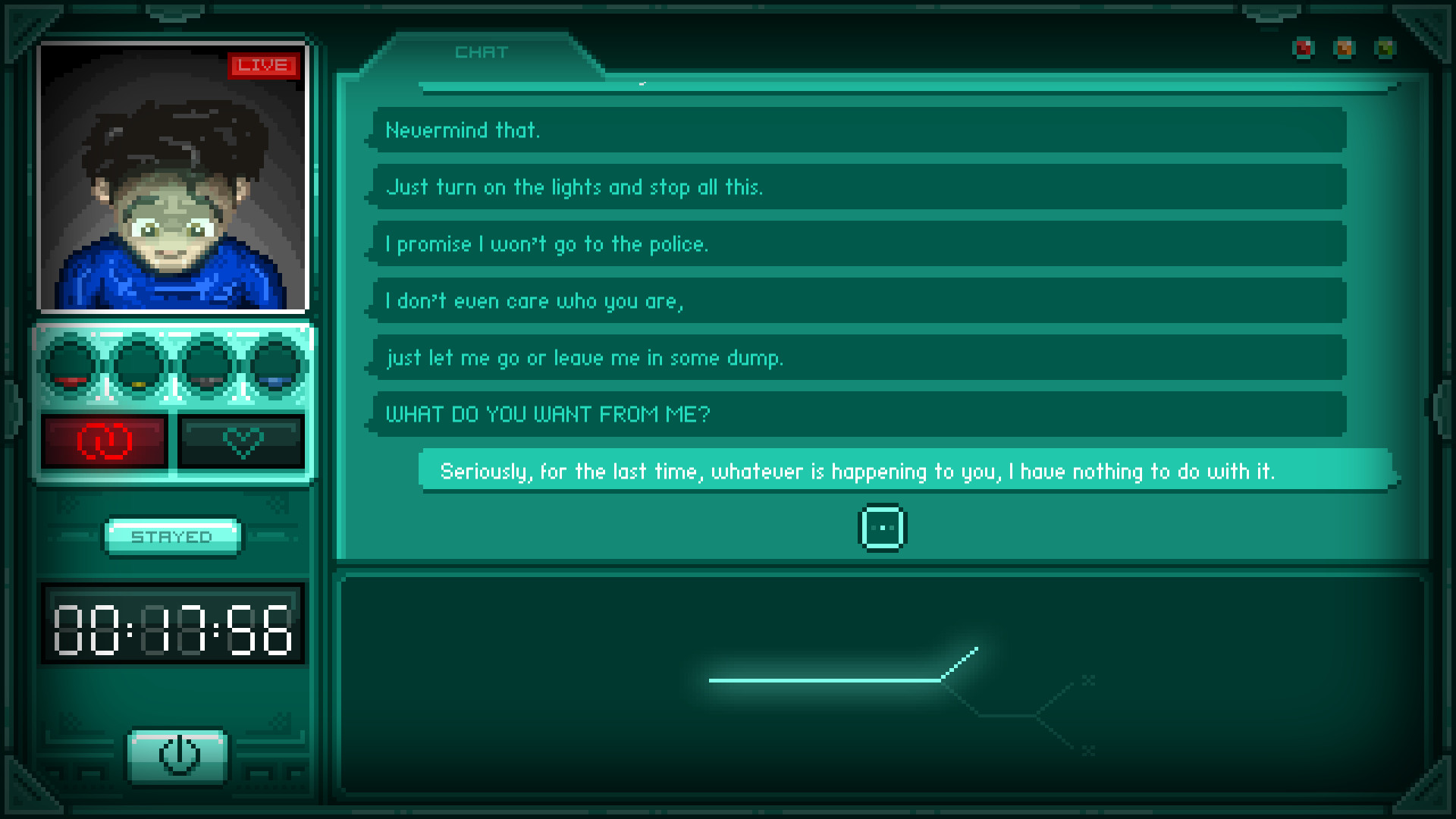
In practice, one player controls a character in first-person while the second player views security cameras and inspects discovered items on a secondary screen, guiding the lead player through escape-room style puzzles and progression between mansion floors.
The cooperative loop centers on communication and information sharing.
Notes and items collected by the explorer often require the helper to read or analyze them, and the helper’s camera feed highlights key objects to steer the main player toward solutions.
The pairing works best when both players actively discuss clues and puzzle solutions, producing moments that evoke a physical escape room.
Horror mechanics and pacing
A persistent tension system tracks the presence of a hostile entity via an on-screen gauge that rises with noise and activity.
When the gauge caps out, a slimy black monster spawns and the game shifts into stealth: players must hide or distract the entity using camera tools.
Discovery by the entity results in an immediate game over and a return to the start area.
Many notes, removed obstructions, and solved puzzle data are preserved on a corkboard in the hub, allowing repeat attempts to reclaim progress more quickly.
Technical performance and presentation
The Switch 2 release shows notable technical shortcomings.
Review testing recorded frequent stuttering—particularly when the monitor player cycled cameras or inspected items—asset pop-in, low-resolution textures and visibly low-polygon models.
Several bugs appeared in-session, including unintended object spawns.
The game’s localization also contains spelling and grammatical errors, with some in-game text left untranslated from French.
Verdict
Beyond the Dark: Nightwatch presents a compelling asymmetrical concept and delivers enjoyable cooperative puzzle moments, but its tension dissipates under repetitive pacing and predictable AI, and its presentation is undercut by performance and localization issues.
Atlantis Studio’s debut offers a promising framework that will likely benefit from post-launch fixes, but the current Switch 2 release feels rough around the edges.