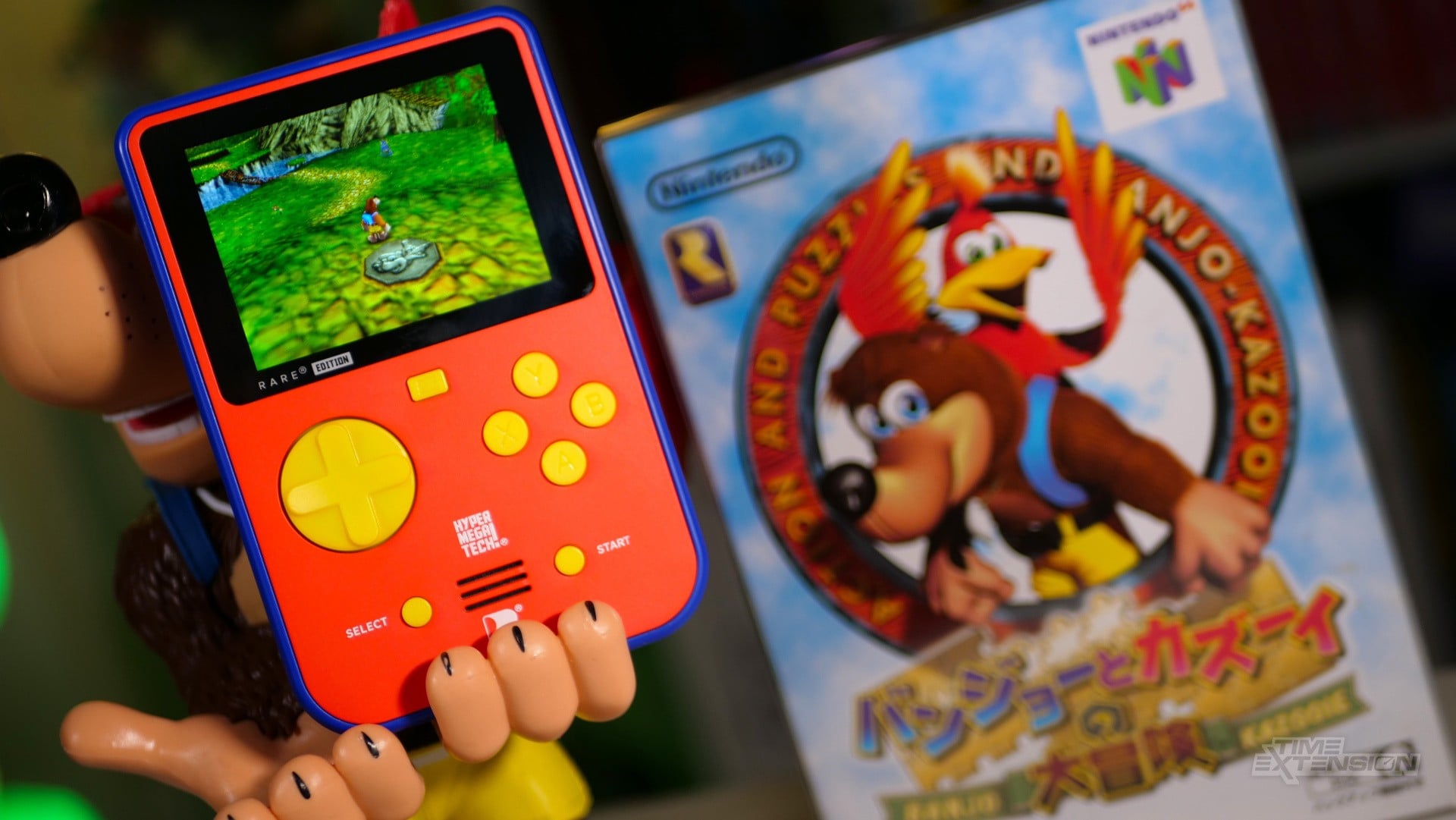
Last week, Rare released a handheld version of Banjo-Kazooie as part of the HyperMegaTech Super Pocket Rare Edition, drawing fresh attention to the studio’s late-1990s Nintendo 64 catalog.
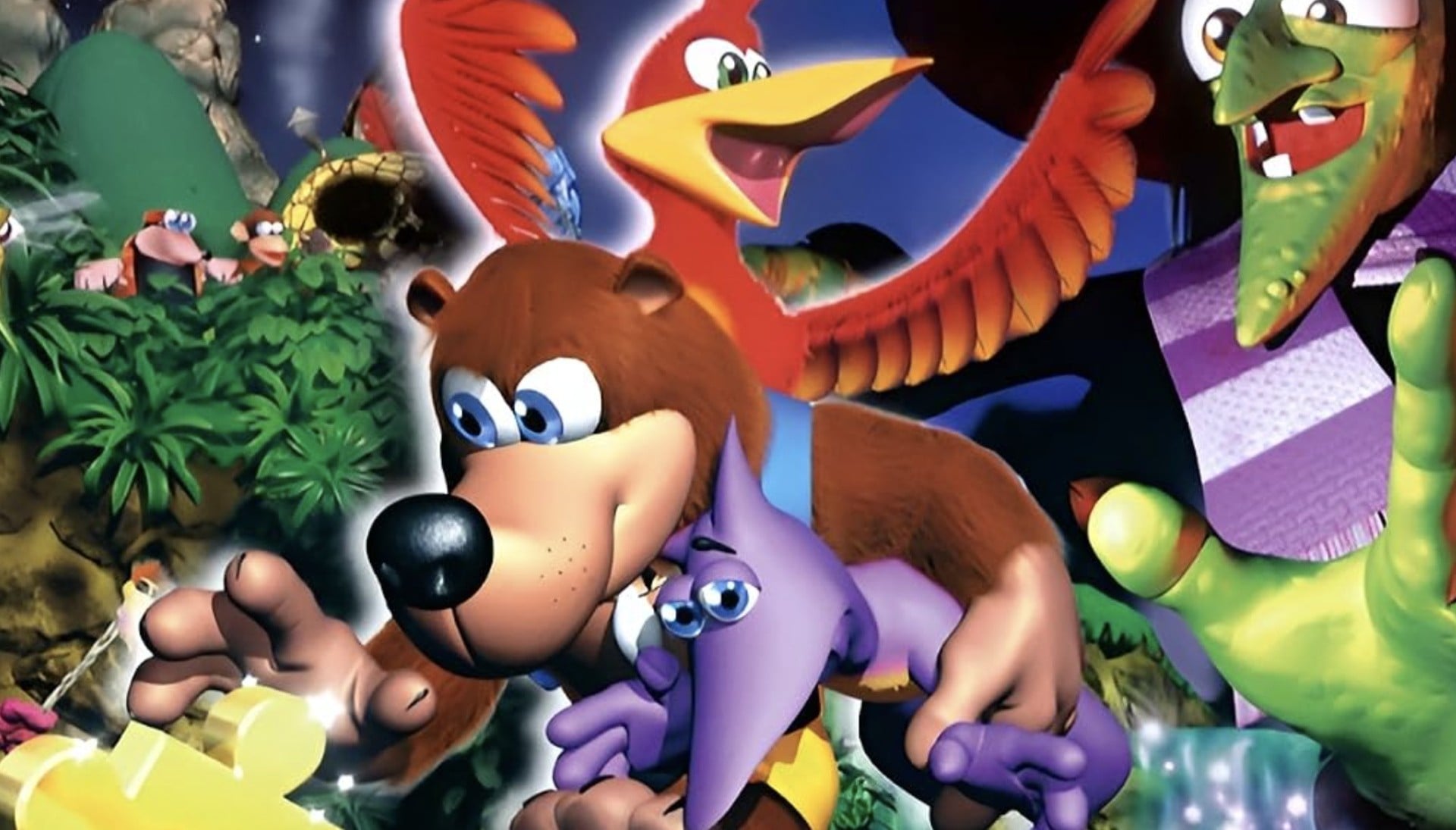
Banjo-Kazooie, originally released in 1998 for the Nintendo 64 and developed by Rare, remains one of the company’s most celebrated platformers; its 2000 sequel, Banjo-Tooie, continued the series’ musical and level-design traditions.
According to coverage by VGC and reporting from the community, players who complete the HyperMegaTech handheld port are now able to access a new in-game music player.
Paraphrasing the feature in journalistic terms: after finishing the handheld release, players can unlock a music player that contains more than 20 previously unused “beta” tracks, all rendered using the original Nintendo 64 soundfont.
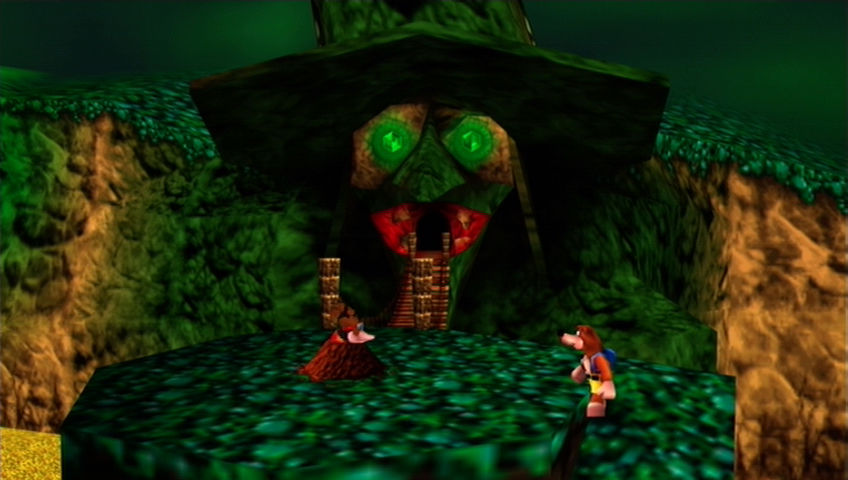
Those newly accessible compositions include early versions of themes for familiar areas — such as Treasure Trove Cove and Mumbo’s Mountain — as well as music for locations that were ultimately scrapped from the original game.
Several of the recovered pieces were later repurposed in Banjo-Tooie, offering a direct illustration of how Rare reused and refined musical assets between the two N64 titles.
YouTube preservationist TSRStormed has extracted and cataloged the newly discovered music, uploading samples and analyses that document the tracks and their relationship to the final game and its sequel.
The recordings provide an audible window into Rare’s development process and the studio’s audio pipeline on N64 hardware.
The discovery underscores ongoing interest in video game preservation and the archival value of modern re-releases.
While the HyperMegaTech Super Pocket Rare Edition is a niche handheld product, the find echoes community-driven work around retro releases and digital storefront activity — from Nintendo 64 collections on Nintendo Switch to eShop reissues announced during Nintendo Direct streams — that keeps classic game audio and design in public view.
For fans of Banjo-Kazooie, Rare, and game music history, the unlocked beta tracks represent both a rare archival resource and a reminder of how iterative composition shaped some of the N64 era’s most enduring soundtracks.
For those interested in hearing the material firsthand, TSRStormed’s catalog and VGC’s reporting are the current primary sources for the newly surfaced audio.
Banjo-Kazooie, originally released in 1998 for the Nintendo 64 and developed by Rare, remains one of the company’s most celebrated platformers; its 2000 sequel, Banjo-Tooie, continued the series’ musical and level-design traditions.
According to coverage by VGC and reporting from the community, players who complete the HyperMegaTech handheld port are now able to access a new in-game music player.
Paraphrasing the feature in journalistic terms: after finishing the handheld release, players can unlock a music player that contains more than 20 previously unused “beta” tracks, all rendered using the original Nintendo 64 soundfont.
Those newly accessible compositions include early versions of themes for familiar areas — such as Treasure Trove Cove and Mumbo’s Mountain — as well as music for locations that were ultimately scrapped from the original game.
Several of the recovered pieces were later repurposed in Banjo-Tooie, offering a direct illustration of how Rare reused and refined musical assets between the two N64 titles.
YouTube preservationist TSRStormed has extracted and cataloged the newly discovered music, uploading samples and analyses that document the tracks and their relationship to the final game and its sequel.
The recordings provide an audible window into Rare’s development process and the studio’s audio pipeline on N64 hardware.
The discovery underscores ongoing interest in video game preservation and the archival value of modern re-releases.
While the HyperMegaTech Super Pocket Rare Edition is a niche handheld product, the find echoes community-driven work around retro releases and digital storefront activity — from Nintendo 64 collections on Nintendo Switch to eShop reissues announced during Nintendo Direct streams — that keeps classic game audio and design in public view.
For fans of Banjo-Kazooie, Rare, and game music history, the unlocked beta tracks represent both a rare archival resource and a reminder of how iterative composition shaped some of the N64 era’s most enduring soundtracks.
For those interested in hearing the material firsthand, TSRStormed’s catalog and VGC’s reporting are the current primary sources for the newly surfaced audio.