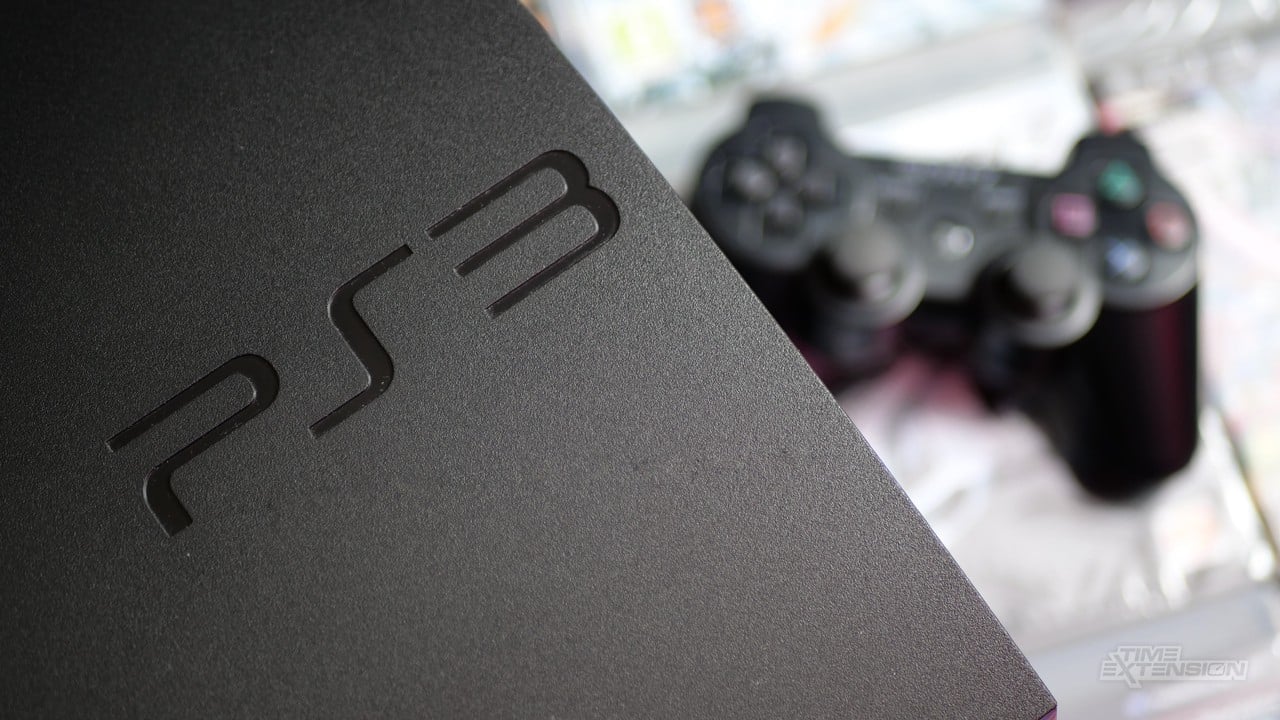

Today marks the 20th anniversary of the PlayStation 3 (PS3), a console that reshaped expectations for hardware design while delivering one of Sony's most complex launches.
Launched in Japan on November 11, 2006, followed by North America on November 17, 2006, and Europe on March 23, 2007, the PS3 was built around the Cell Broadband Engine—a custom processor co-developed by Sony, IBM, and Toshiba—and introduced Blu-ray playback and full 1080p output as standard features.
Launch context and reception
At launch the PS3 faced two immediate headwinds: a high retail price and a uniquely structured CPU that complicated development.
The North American lineup debuted with a 20GB model at $499 and a 60GB model at $599 (2006 prices), which many industry observers cited as a major barrier to early consumer adoption.
Developers and publishers frequently reported the Cell architecture was more difficult to optimize for than the more conventional hardware inside Microsoft's Xbox 360, which had arrived earlier and captured early market momentum.
Key factual milestones
- Hardware: PS3 introduced a Blu-ray drive as standard, supported HDMI output out of the box, and targeted 1080p HD performance for games and media.
- Launch dates: Japan November 11, 2006; North America November 17, 2006; Europe March 23, 2007.
- Pricing: 20GB model $499, 60GB model $599 at North American launch.
- Sales: Sony ultimately sold approximately 87.4 million PS3 units worldwide, surpassing the Xbox 360's roughly 84 million but remaining behind Nintendo's Wii at about 101.63 million.
How Sony recovered
Over time, Sony addressed price sensitivity through hardware revisions and broader distribution, and secured first-party exclusives that strengthened the PS3's catalog.
These moves helped the platform close the gap against the Xbox 360 and reach a competitive lifetime install base.
Broader industry context
The PS3 generation is often contrasted with Nintendo's approach in the same era—the Wii emphasized lower cost and broad accessibility, while modern Nintendo platforms such as the Nintendo Switch (launched in 2017) follow a different hardware and digital strategy, with services like the eShop and communications via Nintendo Direct shaping marketing and distribution today.
The PS3's 20-year legacy is defined by bold hardware choices and an eventual commercial recovery—facts that continue to influence console architecture and platform strategies across the industry.