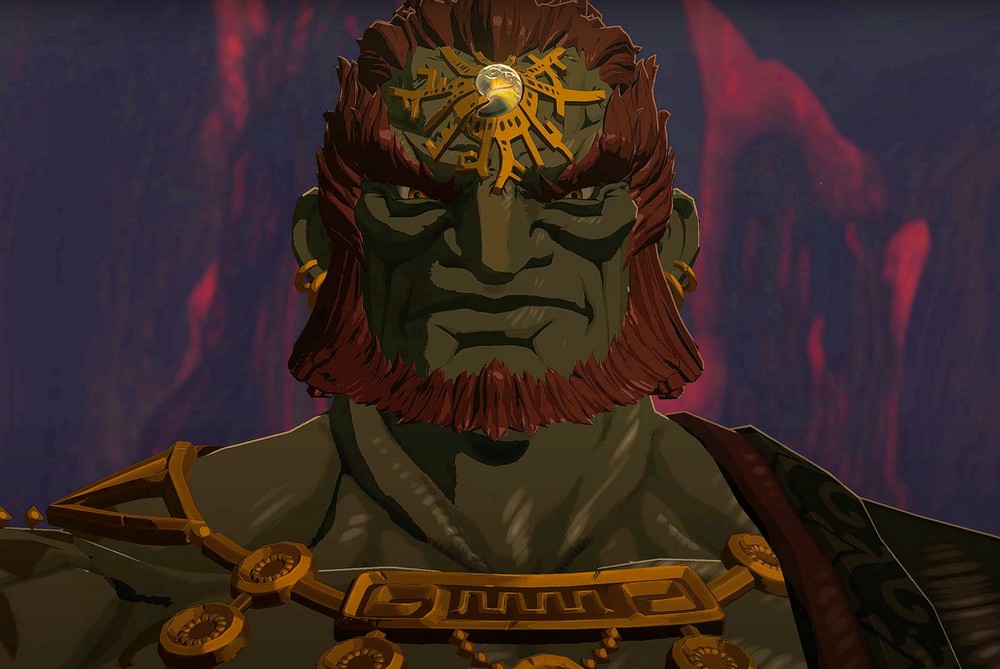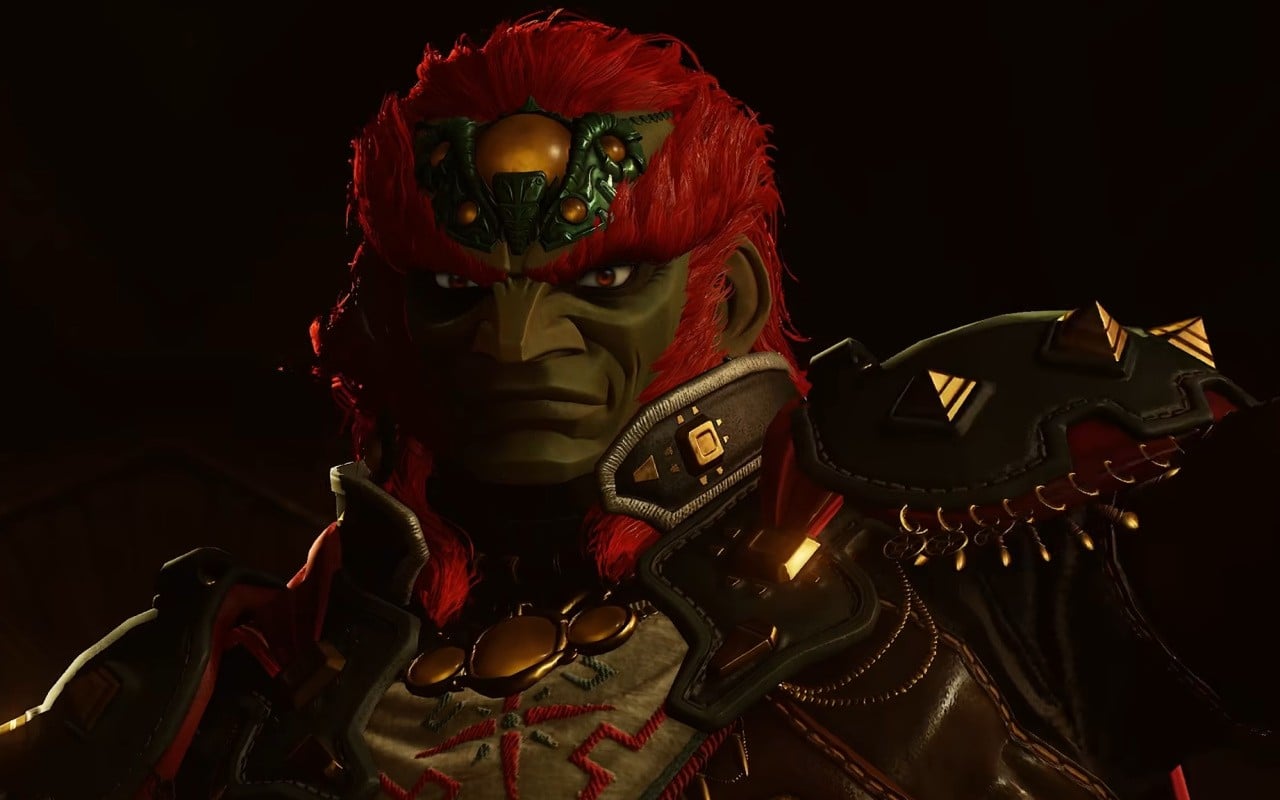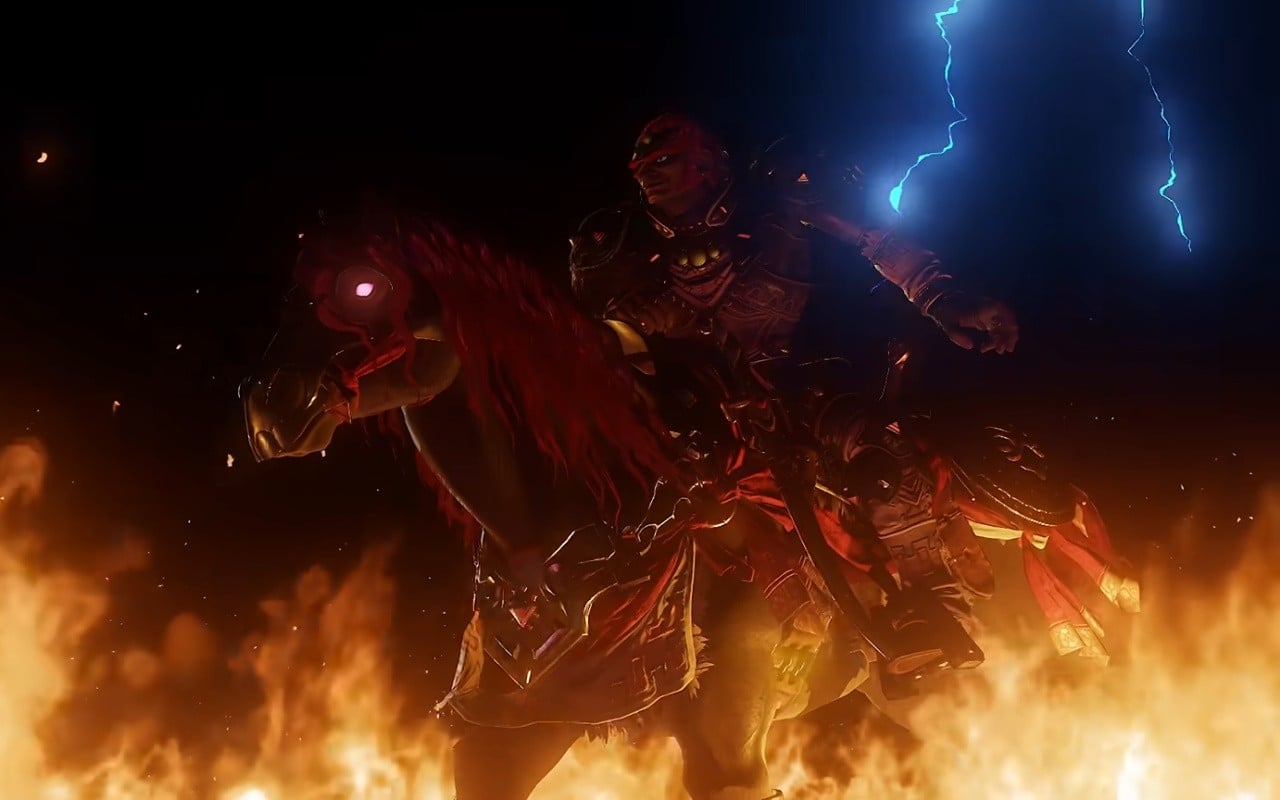
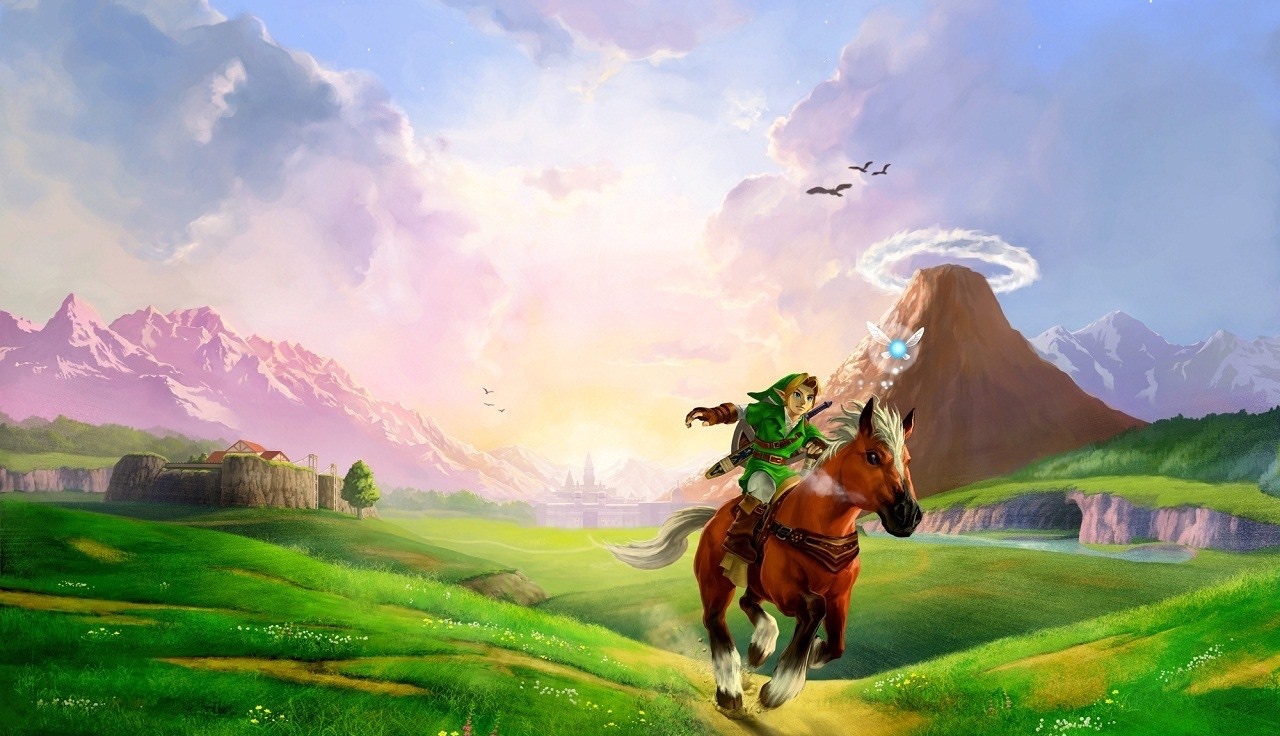
Nintendo has shared an extended clip centered on Ganondorf from The Legend of Zelda: Ocarina of Time, giving fans additional gameplay and story footage beyond the recently released trailer.
The video was posted to Nintendo’s Nintendo Today! mobile app and presents Link’s encounter with the series’ primary antagonist, accompanied by newly recorded voiceover narration.
The Legend of Zelda: Ocarina of Time was first released for the Nintendo 64 in 1998 and later reissued as Ocarina of Time 3D for the Nintendo 3DS in 2011.
The original title was developed by Nintendo EAD and has been widely cited as a landmark in 3D action-adventure design.
The 3DS version was developed in collaboration with Grezzo, which handled the handheld remaster.
In addition to the extended Ganondorf clip, Nintendo published side-by-side comparison videos that place direct footage from the N64 and 3DS editions next to the new material.
Those comparisons allow viewers to see how visual presentation and audio have changed across the versions and help contextualize the new clip within the game’s platform history.
The extended sequence includes fresh voice work that frames Ganondorf’s role in the story.
Paraphrasing the narration: the voiceover describes Ganondorf as a man born to the Gerudo tribe at a rare interval—once every hundred years—who pursues the Triforce with the intent of using its power to fulfill his ambitions.
That line reinforces Ganondorf’s long-established motivation as the central antagonist who seeks the Triforce to realize his goals.
For industry observers and longtime Zelda players, the release is notable for how Nintendo is packaging legacy content.
The Nintendo Today! upload and accompanying comparison reels follow Nintendo’s ongoing approach to promoting classic franchises across modern communication channels.
While the material revisits familiar scenes from both the N64 original and the 3DS reissue, the extended clip focuses attention on character presentation and the updated audio direction.
The extended Ganondorf footage can be viewed on the Nintendo Today! mobile app, and the comparison videos are available through Nintendo’s official channels.
This release adds a concentrated look at one of the series’ most recognizable villains and underscores Nintendo’s continued stewardship of its legacy catalog.
The video was posted to Nintendo’s Nintendo Today! mobile app and presents Link’s encounter with the series’ primary antagonist, accompanied by newly recorded voiceover narration.
The Legend of Zelda: Ocarina of Time was first released for the Nintendo 64 in 1998 and later reissued as Ocarina of Time 3D for the Nintendo 3DS in 2011.
The original title was developed by Nintendo EAD and has been widely cited as a landmark in 3D action-adventure design.
The 3DS version was developed in collaboration with Grezzo, which handled the handheld remaster.
In addition to the extended Ganondorf clip, Nintendo published side-by-side comparison videos that place direct footage from the N64 and 3DS editions next to the new material.
Those comparisons allow viewers to see how visual presentation and audio have changed across the versions and help contextualize the new clip within the game’s platform history.
The extended sequence includes fresh voice work that frames Ganondorf’s role in the story.
Paraphrasing the narration: the voiceover describes Ganondorf as a man born to the Gerudo tribe at a rare interval—once every hundred years—who pursues the Triforce with the intent of using its power to fulfill his ambitions.
That line reinforces Ganondorf’s long-established motivation as the central antagonist who seeks the Triforce to realize his goals.
For industry observers and longtime Zelda players, the release is notable for how Nintendo is packaging legacy content.
The Nintendo Today! upload and accompanying comparison reels follow Nintendo’s ongoing approach to promoting classic franchises across modern communication channels.
While the material revisits familiar scenes from both the N64 original and the 3DS reissue, the extended clip focuses attention on character presentation and the updated audio direction.
The extended Ganondorf footage can be viewed on the Nintendo Today! mobile app, and the comparison videos are available through Nintendo’s official channels.
This release adds a concentrated look at one of the series’ most recognizable villains and underscores Nintendo’s continued stewardship of its legacy catalog.