

Introduction
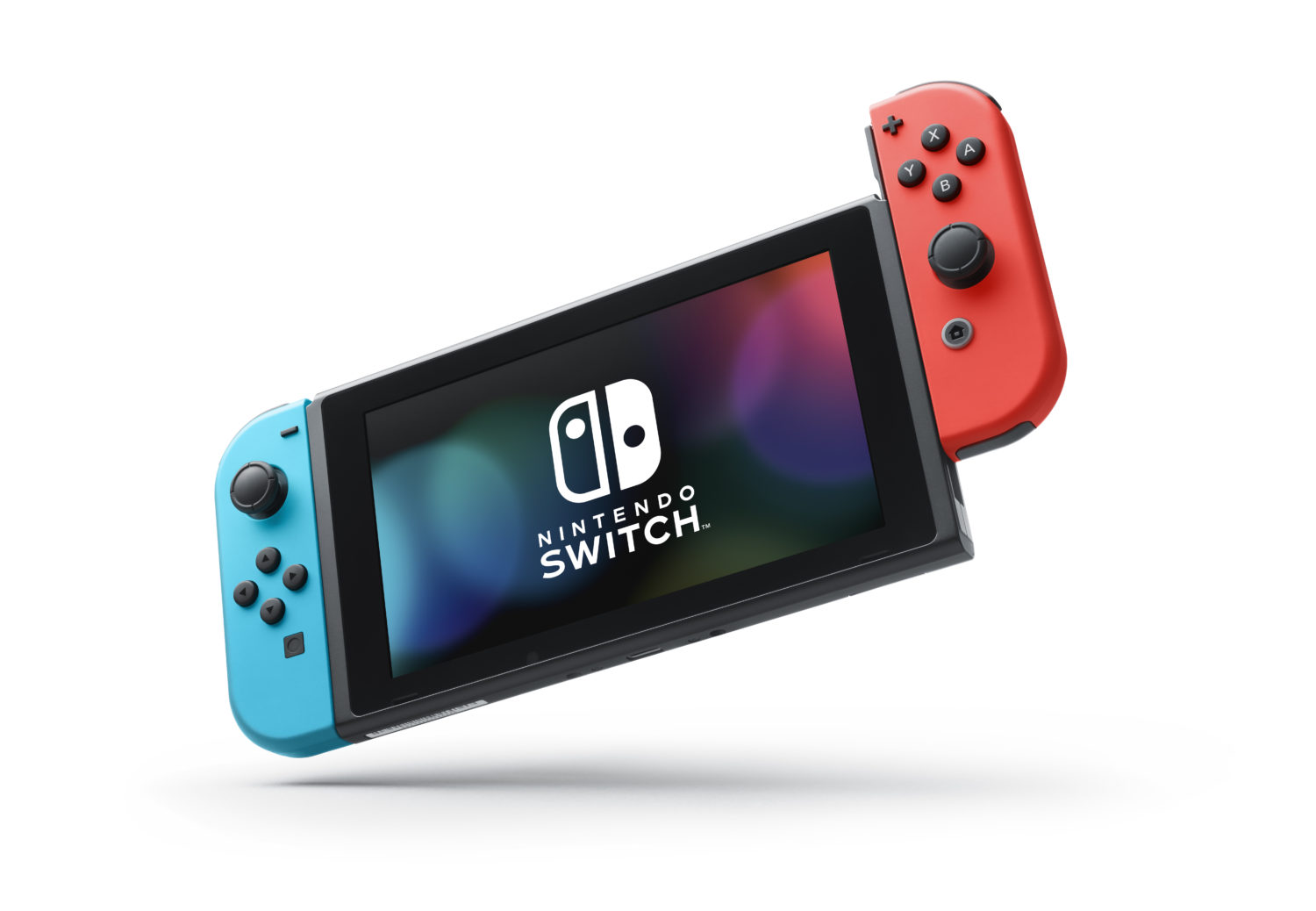
The Nintendo Switch, released worldwide on March 3, 2017, marked a decisive turnaround for Nintendo following the commercial underperformance of the Wii U.
Built as a hybrid home-and-portable system, the Switch combined a new hardware concept with strong first-party software support and digital distribution via the Nintendo eShop.
Key launch and early-year releases, most notably The Legend of Zelda: Breath of the Wild, helped the platform establish immediate mainstream relevance.
Context and industry perspective
The Wii U, launched in 2012, failed to match Nintendo's previous console successes and left the company in need of a fresh approach.
The Switch's hybrid design and accessible software pipeline allowed Nintendo to regain momentum in the global hardware market.
Over time the Switch became Nintendo's best-selling video game console, supported by a steady stream of first-party titles, third-party partnerships, and regular Nintendo Direct presentations that announced new software and updates.
Paraphrased analyst commentary
Industry analyst Dr. Serkan Toto, speaking to The Game Business, argued that the Switch did more than rescue Nintendo.
He said that had Nintendo produced another misstep on the scale of the Wii U and the Switch not achieved its commercial success, the Japanese dedicated-console market could have been marginalized, with more consumers shifting their gaming habits toward smartphones and PC platforms.
Toto framed the Switch's success as critical not just for Nintendo, but for the broader viability of console hardware in Japan.
Sales and market indicators
Available weekly sales charts in Japan have regularly shown the Switch outperforming competing home consoles in the local market, reflecting strong consumer preference for Nintendo's platform.
Nintendo's sustained hardware and software sales, bolstered by back catalog and new releases, have kept the system prominent in retail and digital storefronts such as the Nintendo eShop.
While hardware cycles and market conditions continue to evolve, the Switch era stands as a verified turning point in Nintendo's recent history.
Why it matters
For developers, publishers, and industry watchers, the Switch era reinforced the commercial value of platform differentiation and first-party IP.
Nintendo's approach — combining innovative hardware, marquee software, and consistent communication via Nintendo Direct — reshaped expectations around how a console can recover from a previous generation's missteps.
Conclusion
The Nintendo Switch's 2017 launch and subsequent performance are documented turning points for Nintendo and for Japan's console industry.
Commentary from analysts like Dr. Serkan Toto underscores how pivotal that success was, while sales trends and Nintendo's software strategy provide the factual backbone for assessing the platform's impact.
The Nintendo Switch, released worldwide on March 3, 2017, marked a decisive turnaround for Nintendo following the commercial underperformance of the Wii U.
Built as a hybrid home-and-portable system, the Switch combined a new hardware concept with strong first-party software support and digital distribution via the Nintendo eShop.
Key launch and early-year releases, most notably The Legend of Zelda: Breath of the Wild, helped the platform establish immediate mainstream relevance.
Context and industry perspective
The Wii U, launched in 2012, failed to match Nintendo's previous console successes and left the company in need of a fresh approach.
The Switch's hybrid design and accessible software pipeline allowed Nintendo to regain momentum in the global hardware market.
Over time the Switch became Nintendo's best-selling video game console, supported by a steady stream of first-party titles, third-party partnerships, and regular Nintendo Direct presentations that announced new software and updates.
Paraphrased analyst commentary
Industry analyst Dr. Serkan Toto, speaking to The Game Business, argued that the Switch did more than rescue Nintendo.
He said that had Nintendo produced another misstep on the scale of the Wii U and the Switch not achieved its commercial success, the Japanese dedicated-console market could have been marginalized, with more consumers shifting their gaming habits toward smartphones and PC platforms.
Toto framed the Switch's success as critical not just for Nintendo, but for the broader viability of console hardware in Japan.
Sales and market indicators
Available weekly sales charts in Japan have regularly shown the Switch outperforming competing home consoles in the local market, reflecting strong consumer preference for Nintendo's platform.
Nintendo's sustained hardware and software sales, bolstered by back catalog and new releases, have kept the system prominent in retail and digital storefronts such as the Nintendo eShop.
While hardware cycles and market conditions continue to evolve, the Switch era stands as a verified turning point in Nintendo's recent history.
Why it matters
For developers, publishers, and industry watchers, the Switch era reinforced the commercial value of platform differentiation and first-party IP.
Nintendo's approach — combining innovative hardware, marquee software, and consistent communication via Nintendo Direct — reshaped expectations around how a console can recover from a previous generation's missteps.
Conclusion
The Nintendo Switch's 2017 launch and subsequent performance are documented turning points for Nintendo and for Japan's console industry.
Commentary from analysts like Dr. Serkan Toto underscores how pivotal that success was, while sales trends and Nintendo's software strategy provide the factual backbone for assessing the platform's impact.