Replay2 FPGA Platform Challenges MiSTer with Advanced Intel 7nm Agilex 5 Chipset
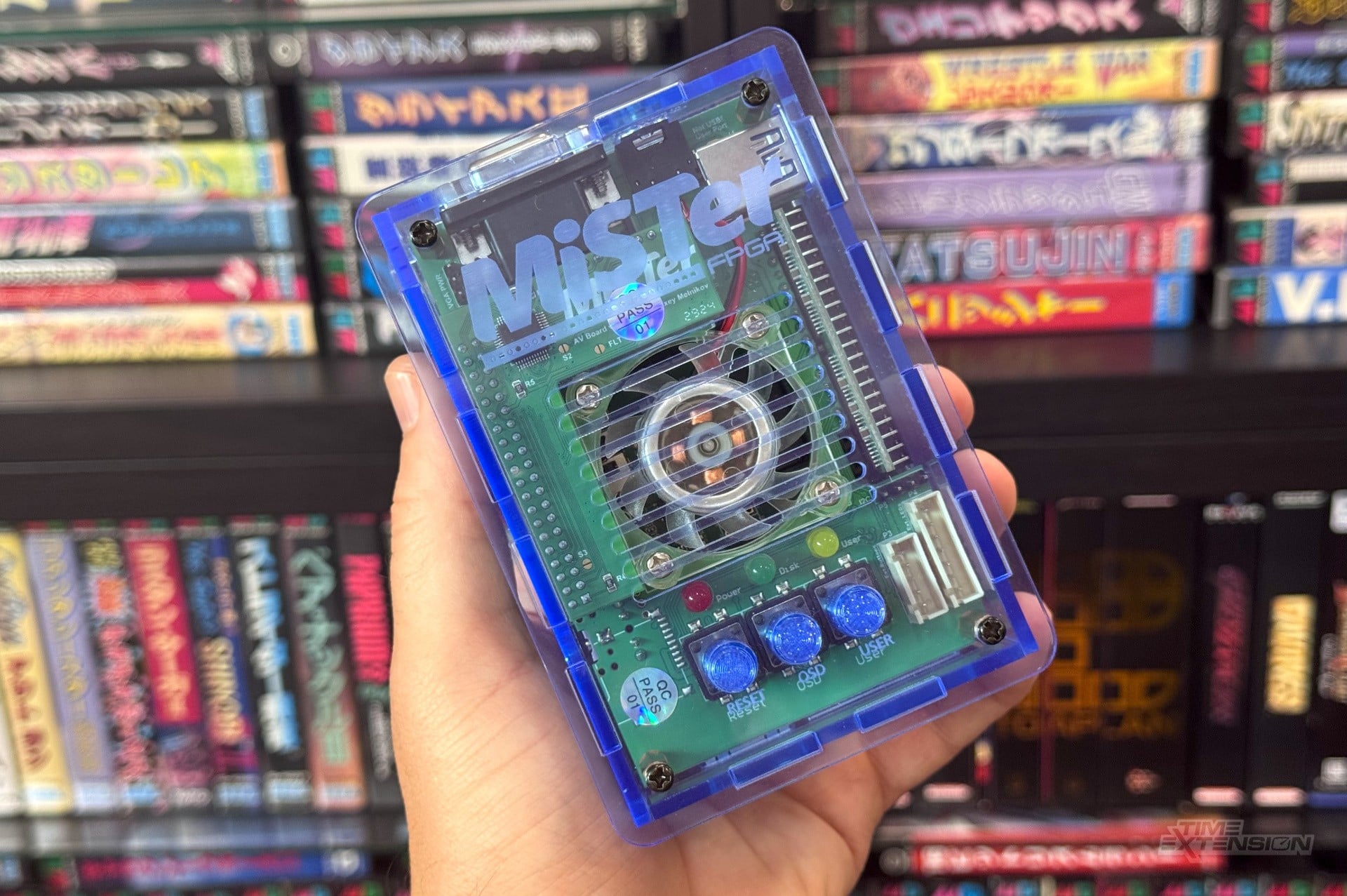
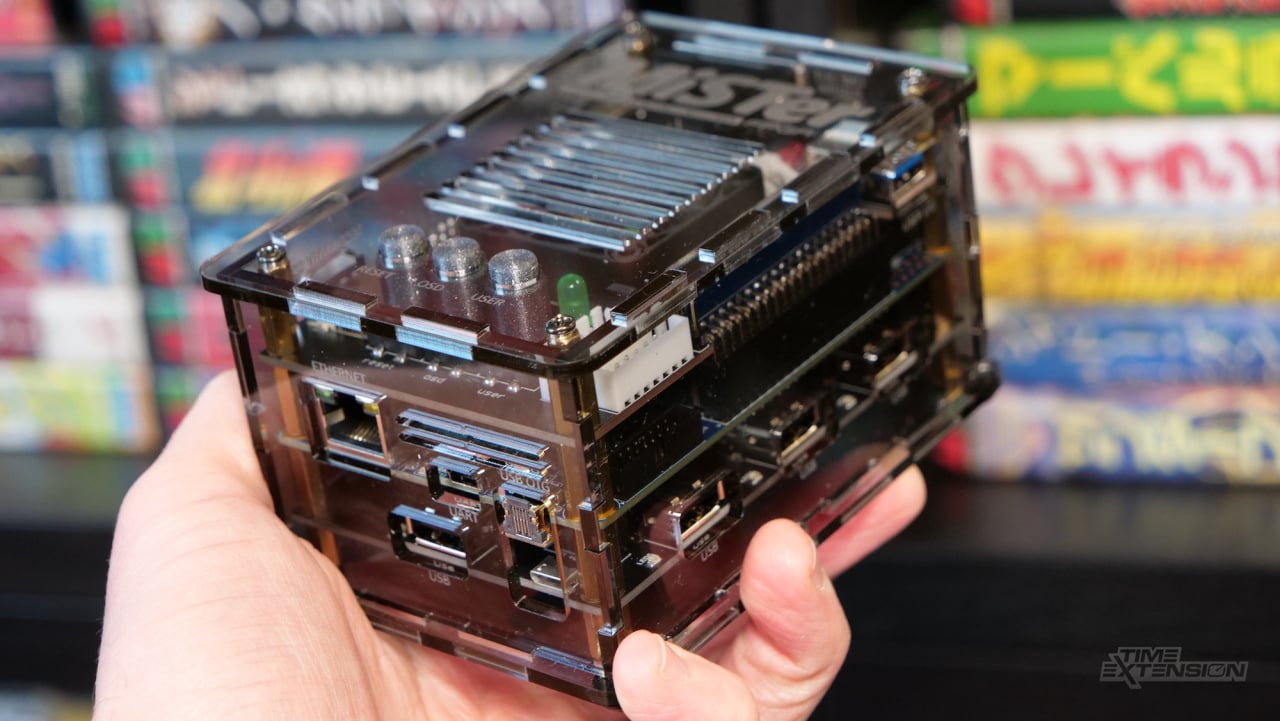
The landscape of FPGA-based retro gaming is evolving rapidly, with the well-established MiSTer FPGA platform leading innovation for several years.
However, consumer and developer attention is now turning to newcomers like the more powerful MARS FPGA and, most recently, Replay2—a promising entrant aiming to set new benchmarks in FPGA gaming hardware.
Developed by the experienced team at FPGA Arcade, the Replay2 system leverages a cutting-edge Intel 7nm Agilex 5 FPGA, designed to deliver significant improvements in speed, efficiency, and overall performance.
The development team highlighted the system's advantages, noting that "the board’s Agilex 5 FPGA is very fast and highly energy efficient." This next-generation chipset allows Replay2 to push the boundaries of hardware-accurate emulation and meet the complex needs of enthusiast gamers and developers alike.
Technically, Replay2 is built on a Mini-ITX motherboard, supporting fast DDR4 RAM for its 64-bit A76 CPU cores operating at 1.4GHz.
The inclusion of IoT Hyperram running at 200MHz ensures low-latency access for FPGA cores.
For those familiar with MiSTer, Replay2’s SDRAM is also compatible with MiSTer FPGA cores, which, according to the developers, "makes porting existing projects to Replay2 straightforward."
Replay2 sets itself apart with contemporary multimedia capabilities.
The hardware supports multimode digital video output capable of at least 4K at 60Hz and features a high-fidelity 30-bit analog VGA port.
High-end audio is covered with a premium audio codec and digital output, while storage needs are met by a removable eMMC module on both board versions.
The project will be available in two distinct variants: the R2Phat, offering an FPGA that is approximately four times the scale of the DE10-Nano featured in the MiSTer FPGA, and the R2Lite, which is a more accessible version yet still surpasses the capacity of popular alternatives such as the Cyclone V.
The R2Phat also boasts a two-lane PCIe M.2 slot for SSD expansions and an additional slot for a compute module that supports up to four PCIe Gen 3 lanes, MIPI display interfaces, Ethernet, and an array of I/O options.
While initially planning to include an RK3588 module, the team is now considering alternatives, including CM5 compatibility.
Both the R2Phat and R2Lite models allow for the installation of M.2 SDIO Wi-Fi/Bluetooth modules and feature dual (front/back) swappable I/O modules to accommodate controllers such as DB9 or SNAC.
Ample connectivity is further provided by several USB2 ports and a multi-mode USB-C connector exclusive to the Phat variant.
Regarding development timelines, Replay2's team reports that prototype chips have been secured and are currently awaiting PCB completion.
They acknowledged that the process has encountered delays, citing the complexity of the design and the team's commitment to keeping costs manageable as primary factors affecting the pace of progress.
While final pricing and launch details for Replay2 remain undisclosed, its blend of state-of-the-art technology and forward-thinking design positions it as a compelling competitor in the FPGA retro gaming sector.
Replay2’s compatibility with MiSTer cores and significant hardware advancements signal exciting times ahead for enthusiasts and developers seeking the ultimate in retro gaming fidelity.
The landscape of FPGA-based retro gaming is evolving rapidly, with the well-established MiSTer FPGA platform leading innovation for several years.
However, consumer and developer attention is now turning to newcomers like the more powerful MARS FPGA and, most recently, Replay2—a promising entrant aiming to set new benchmarks in FPGA gaming hardware.
Developed by the experienced team at FPGA Arcade, the Replay2 system leverages a cutting-edge Intel 7nm Agilex 5 FPGA, designed to deliver significant improvements in speed, efficiency, and overall performance.
The development team highlighted the system's advantages, noting that "the board’s Agilex 5 FPGA is very fast and highly energy efficient." This next-generation chipset allows Replay2 to push the boundaries of hardware-accurate emulation and meet the complex needs of enthusiast gamers and developers alike.
Technically, Replay2 is built on a Mini-ITX motherboard, supporting fast DDR4 RAM for its 64-bit A76 CPU cores operating at 1.4GHz.
The inclusion of IoT Hyperram running at 200MHz ensures low-latency access for FPGA cores.
For those familiar with MiSTer, Replay2’s SDRAM is also compatible with MiSTer FPGA cores, which, according to the developers, "makes porting existing projects to Replay2 straightforward."
Replay2 sets itself apart with contemporary multimedia capabilities.
The hardware supports multimode digital video output capable of at least 4K at 60Hz and features a high-fidelity 30-bit analog VGA port.
High-end audio is covered with a premium audio codec and digital output, while storage needs are met by a removable eMMC module on both board versions.
The project will be available in two distinct variants: the R2Phat, offering an FPGA that is approximately four times the scale of the DE10-Nano featured in the MiSTer FPGA, and the R2Lite, which is a more accessible version yet still surpasses the capacity of popular alternatives such as the Cyclone V.
The R2Phat also boasts a two-lane PCIe M.2 slot for SSD expansions and an additional slot for a compute module that supports up to four PCIe Gen 3 lanes, MIPI display interfaces, Ethernet, and an array of I/O options.
While initially planning to include an RK3588 module, the team is now considering alternatives, including CM5 compatibility.
Both the R2Phat and R2Lite models allow for the installation of M.2 SDIO Wi-Fi/Bluetooth modules and feature dual (front/back) swappable I/O modules to accommodate controllers such as DB9 or SNAC.
Ample connectivity is further provided by several USB2 ports and a multi-mode USB-C connector exclusive to the Phat variant.
Regarding development timelines, Replay2's team reports that prototype chips have been secured and are currently awaiting PCB completion.
They acknowledged that the process has encountered delays, citing the complexity of the design and the team's commitment to keeping costs manageable as primary factors affecting the pace of progress.
While final pricing and launch details for Replay2 remain undisclosed, its blend of state-of-the-art technology and forward-thinking design positions it as a compelling competitor in the FPGA retro gaming sector.
Replay2’s compatibility with MiSTer cores and significant hardware advancements signal exciting times ahead for enthusiasts and developers seeking the ultimate in retro gaming fidelity.