
Developers skmp (Stefanos Kornilios Mitsis Poiitidis) and bdriffield have released DreamSTer, an experimental software/FPGA combination that demonstrates Sega Dreamcast code running on the MiSTer DE10‑Nano platform.
The MiSTer project — a popular FPGA-based initiative built on the Terasic DE10‑Nano (featuring an Intel/Altera Cyclone V SoC) — has long been used to recreate classic hardware, and DreamSTer represents a noteworthy advance in the system's capabilities.
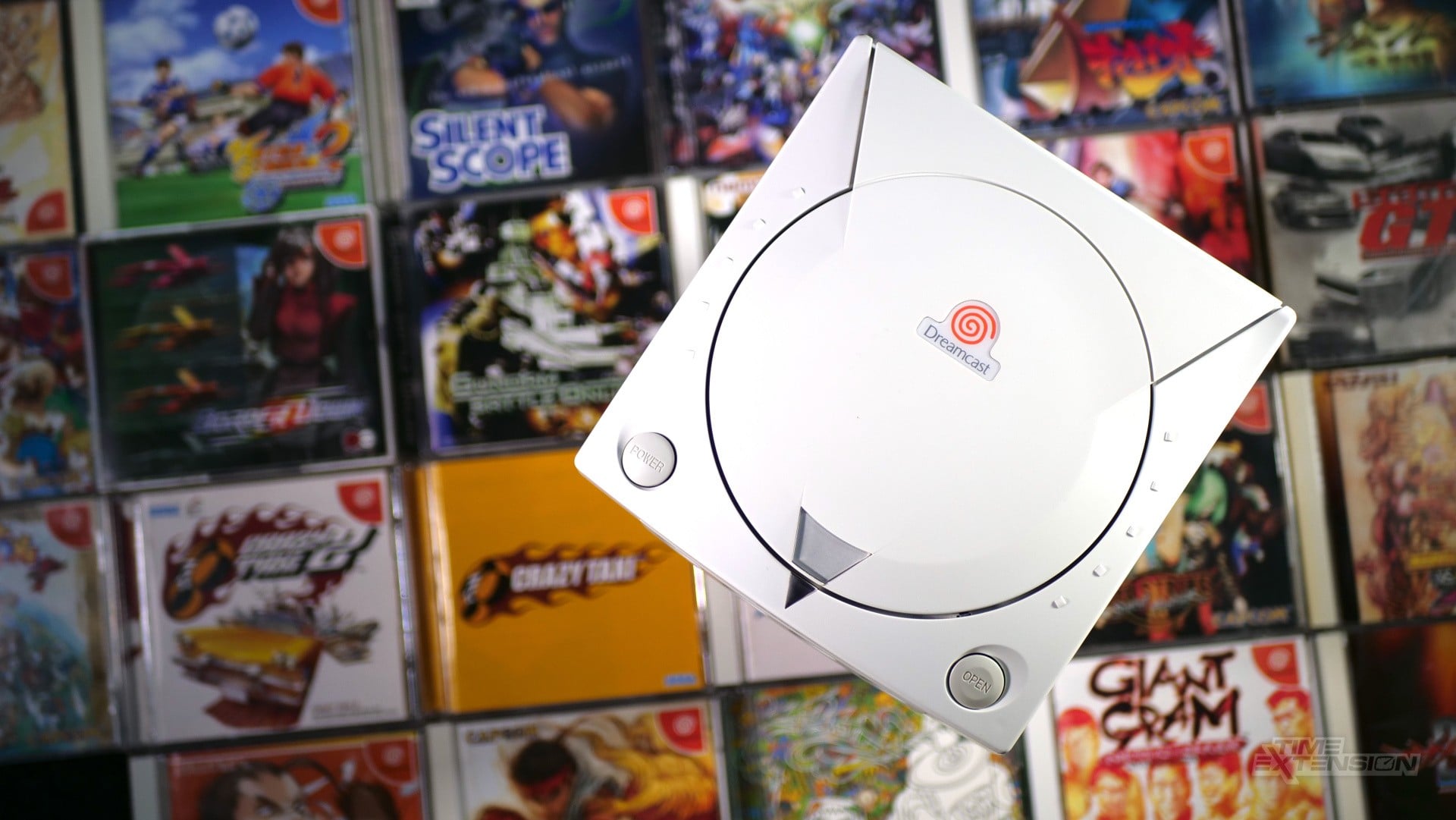
Dreamcast, Sega's final home console, originally launched in Japan in November 1998 and reached North America and Europe in 1999.
Historically, Dreamcast emulation and hardware recreation have demanded significant system resources; the prevailing assumption has been that the DE10‑Nano's footprint limited full Dreamcast compatibility.
The new DreamSTer work from skmp and bdriffield challenges that assumption by combining several components into a single, experimental package.
According to the project's GitHub description, DreamSTer is a combination of polly2‑rtl, minicast and a Python text user interface (TUI) tailored to the MiSTer environment.
The authors note that the implementation is "very experimental" and explicitly does not follow standard MiSTer core conventions.
In practical terms, DreamSTer temporarily takes control of the MiSTer host process, loads minicast onto the FPGA, and then restores the MiSTer menu and process once the MiniCast session completes.
The GitHub README explains this workflow and warns users that the approach is unconventional.
A demonstration video released alongside the project shows DreamSTer in action and includes step‑by‑step instructions for setup and testing.
The video and accompanying materials are intended for users comfortable with advanced MiSTer workflows and for contributors who can help expand compatibility.
The development team is soliciting community assistance to improve DreamSTer's compatibility and stability.
Interested testers and developers can contribute by cloning the repository, following the documented setup steps, and filing issues or pull requests on GitHub to report behavior or propose fixes.
Community reaction to the demo has been enthusiastic and, at times, playful.
One viewer humorously suggested that a key figure associated with MiSTer would be overjoyed by the achievement, likening the reaction to the exhilaration of spinning around in a Lamborghini — a lighthearted paraphrase of comments appearing under the project video.
DreamSTer remains experimental, but it marks a significant proof of concept: Dreamcast software can be run within the MiSTer DE10‑Nano ecosystem with the right combination of FPGA logic and host tooling.
For developers and retro‑hardware enthusiasts, the project is now available on GitHub for testing, issue reporting, and further development.
The MiSTer project — a popular FPGA-based initiative built on the Terasic DE10‑Nano (featuring an Intel/Altera Cyclone V SoC) — has long been used to recreate classic hardware, and DreamSTer represents a noteworthy advance in the system's capabilities.
Dreamcast, Sega's final home console, originally launched in Japan in November 1998 and reached North America and Europe in 1999.
Historically, Dreamcast emulation and hardware recreation have demanded significant system resources; the prevailing assumption has been that the DE10‑Nano's footprint limited full Dreamcast compatibility.
The new DreamSTer work from skmp and bdriffield challenges that assumption by combining several components into a single, experimental package.
According to the project's GitHub description, DreamSTer is a combination of polly2‑rtl, minicast and a Python text user interface (TUI) tailored to the MiSTer environment.
The authors note that the implementation is "very experimental" and explicitly does not follow standard MiSTer core conventions.
In practical terms, DreamSTer temporarily takes control of the MiSTer host process, loads minicast onto the FPGA, and then restores the MiSTer menu and process once the MiniCast session completes.
The GitHub README explains this workflow and warns users that the approach is unconventional.
A demonstration video released alongside the project shows DreamSTer in action and includes step‑by‑step instructions for setup and testing.
The video and accompanying materials are intended for users comfortable with advanced MiSTer workflows and for contributors who can help expand compatibility.
The development team is soliciting community assistance to improve DreamSTer's compatibility and stability.
Interested testers and developers can contribute by cloning the repository, following the documented setup steps, and filing issues or pull requests on GitHub to report behavior or propose fixes.
Community reaction to the demo has been enthusiastic and, at times, playful.
One viewer humorously suggested that a key figure associated with MiSTer would be overjoyed by the achievement, likening the reaction to the exhilaration of spinning around in a Lamborghini — a lighthearted paraphrase of comments appearing under the project video.
DreamSTer remains experimental, but it marks a significant proof of concept: Dreamcast software can be run within the MiSTer DE10‑Nano ecosystem with the right combination of FPGA logic and host tooling.
For developers and retro‑hardware enthusiasts, the project is now available on GitHub for testing, issue reporting, and further development.