
The Sega Dreamcast's audio legacy has resurfaced in an unexpected place: a LeapFrog Paw Patrol toy.
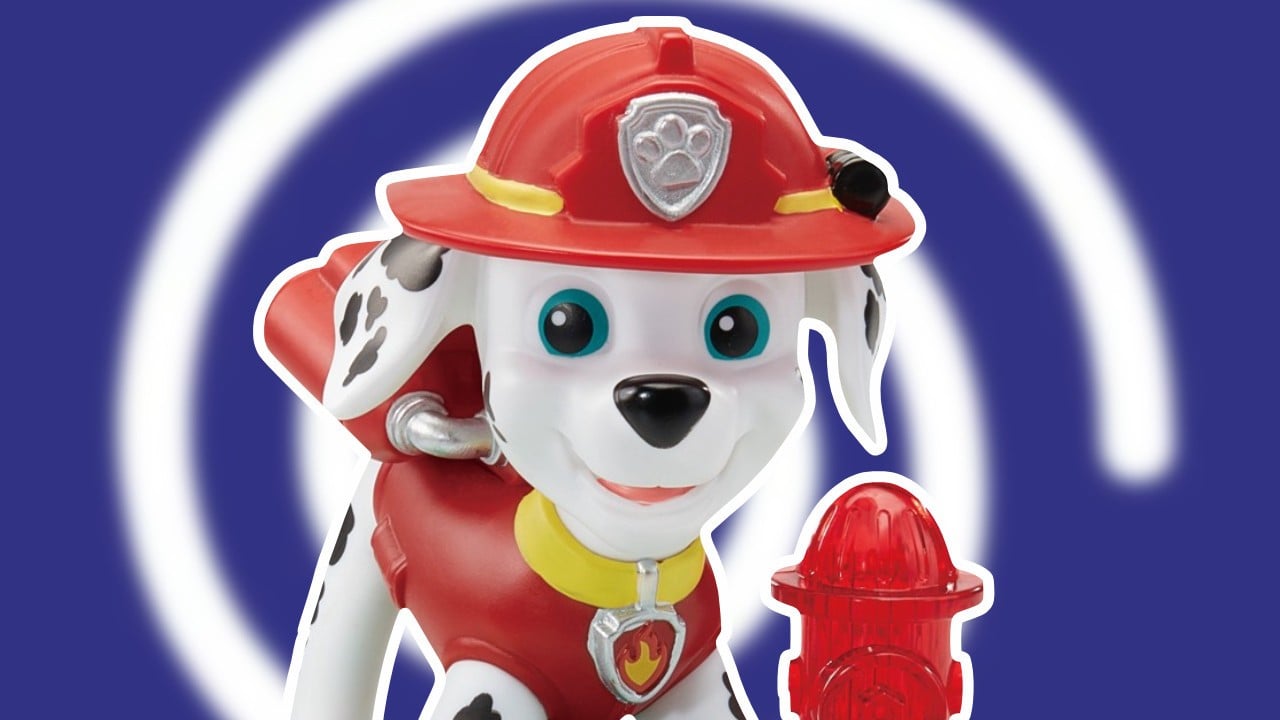
Observers at preservation site Dreamcast Junkyard uncovered that several sound effects used in the Dreamcast's European Dreamkey/Dreamarena web browser also appear in the LeapFrog 'Storytime with Marshall' interactive toy, a find that underscores how legacy assets can persist across industries.
Sega launched the Dreamcast in late 1998 in Japan (November 27, 1998) and brought the console to North America and Europe in 1999; the system officially exited the hardware business in 2001 after selling roughly nine million units worldwide.
The Dreamcast era included a number of online and multimedia initiatives in Europe under names such as Dreamkey and Dreamarena, with browser software and web services distributed for the platform.
Planetweb technology powered the Dreamcast's browser solutions in several regions, and Sega Europe packaged Dreamkey discs with certain releases and promotions.
The discovery was reported by Dreamcast Junkyard, where contributor Tom Charnock contextualized the overlap.
Charnock suggested that the matching effects are most likely sourced from a licensable stock sound library: in his assessment, Sega Europe licensed the effects for Dreamkey/Dreamarena back in the Dreamcast era, and those same library assets have since been used by LeapFrog for its Paw Patrol product.
LeapFrog is a well-known maker of educational toys and digital learning products, and the Paw Patrol brand — created by Keith Chapman and produced by Spin Master Entertainment — has been a major children’s franchise since the series premiered on Nick Jr. in 2013.
The 'Storytime with Marshall' toy is an interactive character product that uses recorded voice lines and sound cues to engage young users; its reuse of familiar audio illustrates how third-party licensing can link modern toys to historical platform material without a direct corporate connection.
This audio overlap is a verified example of how licensed sound libraries and third-party assets can create surprising crossovers between classic gaming platforms and contemporary consumer products.
For preservationists and fans of classic hardware, the incident is further evidence of the Dreamcast's lasting cultural impact and the tangible ways those legacy assets continue to appear in modern media and merchandise.
Observers at preservation site Dreamcast Junkyard uncovered that several sound effects used in the Dreamcast's European Dreamkey/Dreamarena web browser also appear in the LeapFrog 'Storytime with Marshall' interactive toy, a find that underscores how legacy assets can persist across industries.
Sega launched the Dreamcast in late 1998 in Japan (November 27, 1998) and brought the console to North America and Europe in 1999; the system officially exited the hardware business in 2001 after selling roughly nine million units worldwide.
The Dreamcast era included a number of online and multimedia initiatives in Europe under names such as Dreamkey and Dreamarena, with browser software and web services distributed for the platform.
Planetweb technology powered the Dreamcast's browser solutions in several regions, and Sega Europe packaged Dreamkey discs with certain releases and promotions.
The discovery was reported by Dreamcast Junkyard, where contributor Tom Charnock contextualized the overlap.
Charnock suggested that the matching effects are most likely sourced from a licensable stock sound library: in his assessment, Sega Europe licensed the effects for Dreamkey/Dreamarena back in the Dreamcast era, and those same library assets have since been used by LeapFrog for its Paw Patrol product.
LeapFrog is a well-known maker of educational toys and digital learning products, and the Paw Patrol brand — created by Keith Chapman and produced by Spin Master Entertainment — has been a major children’s franchise since the series premiered on Nick Jr. in 2013.
The 'Storytime with Marshall' toy is an interactive character product that uses recorded voice lines and sound cues to engage young users; its reuse of familiar audio illustrates how third-party licensing can link modern toys to historical platform material without a direct corporate connection.
This audio overlap is a verified example of how licensed sound libraries and third-party assets can create surprising crossovers between classic gaming platforms and contemporary consumer products.
For preservationists and fans of classic hardware, the incident is further evidence of the Dreamcast's lasting cultural impact and the tangible ways those legacy assets continue to appear in modern media and merchandise.