
Introduction
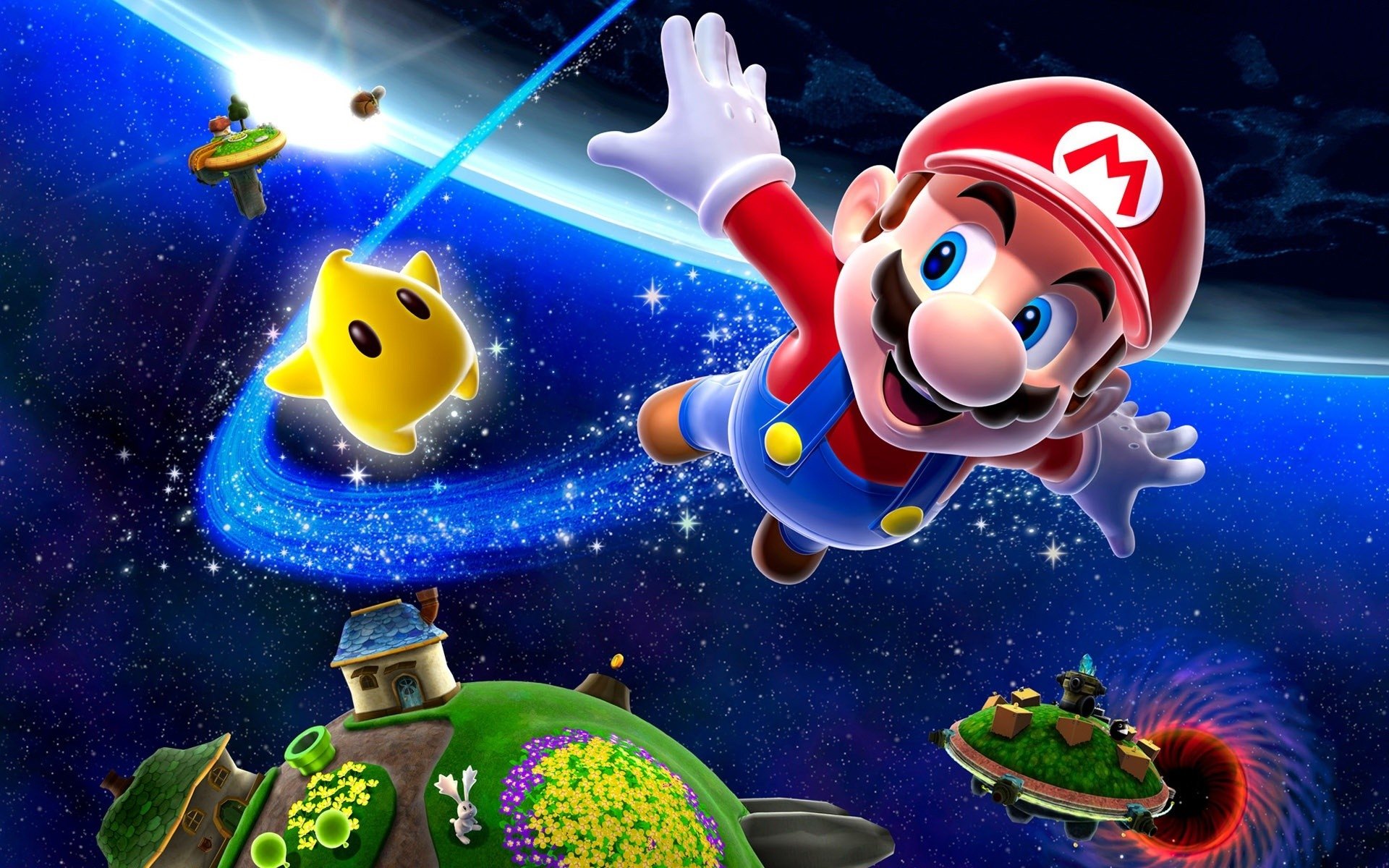
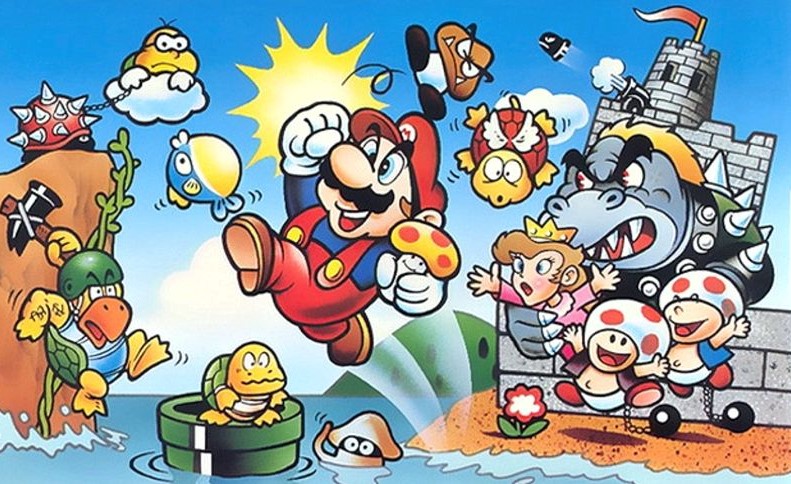
Nintendo’s intellectual property has moved beyond consoles into cinema, most notably with Illumination’s The Super Mario Bros.
Movie, which opened in April 2023 and became one of the highest‑grossing video game film adaptations.
Nintendo remains a major platform holder with the Nintendo Switch family of hardware and maintains digital distribution through the Nintendo eShop and subscription services such as Nintendo Switch Online.
Against that backdrop, filmmakers and publishers continue to assess which Nintendo franchises might adapt cleanly to feature films.
Why some franchises fit cinema
The original commentary argued that Nintendo’s recent box‑office success has prompted renewed interest in adapting other series for the big screen.
That analysis noted adapting deep, long‑running JRPGs presents particular challenges because their narratives and runtime often exceed the scope of a single feature film.
It also pointed out past film efforts linked to Nintendo‑adjacent properties, such as the live‑action Detective Pikachu (2019), while observing that franchises without clear, marketable cross‑media hooks may face hurdles.
Honorable mentions — facts and constraints
- Xenoblade Chronicles: Developed by Monolith Soft, the first Xenoblade launched in Japan in 2010 on Wii (international releases followed in 2011).
The series is known for expansive worlds and extensive narrative content, which industry commentators say can complicate single‑film adaptation.
- Pokémon and Animal Crossing: Pokémon previously appeared in theatrical and live‑action adaptations, including Detective Pikachu (2019).
Animal Crossing has no theatrical film to date; the franchise’s structure—centered on open‑ended play rather than a linear narrative—poses creative questions for a film script.
- Metroid: The Metroid franchise, which originated in 1986, typically features protagonist Samus Aran operating solo; commentators note that a mostly silent or solitary lead presents storytelling and audience‑engagement challenges for a broadly targeted theatrical release.
Three franchises that could translate well
- EarthBound (Mother 2): EarthBound was released in North America on the Super NES in 1995.
The game’s coming‑of‑age themes, defined beginning and ending, and memorable supporting cast make it a plausible candidate for an animated film treatment.
The title is also available to many players via Nintendo Switch Online’s library, giving the property an active, if niche, presence on modern platforms.
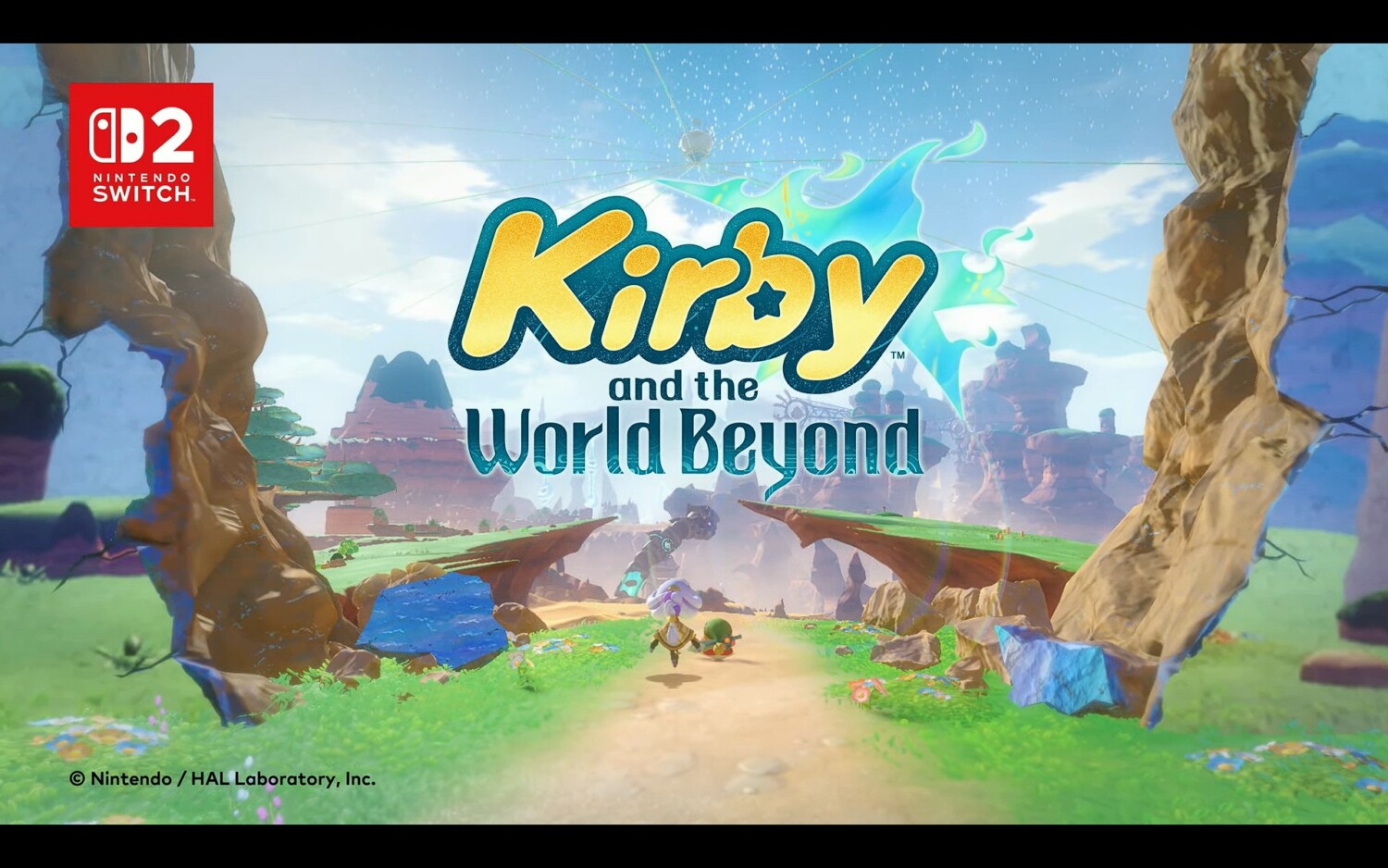
- Kirby: Kirby debuted with Kirby’s Dream Land (Game Boy, 1992), developed by HAL Laboratory.
A Kirby movie would likely favor animation and a clear antagonist—previous media featuring Kirby (including a television anime in Japan) demonstrates the character’s strong visual appeal even with limited spoken dialogue.
- Splatoon: Developed by Nintendo EPD and first released for Wii U in May 2015, Splatoon’s colorful aesthetic, urban settings, and team‑based turf mechanics offer flexible cinematic visuals and family‑friendly tone.
Splatoon 2 (2017) and Splatoon 3 (2022) have extended the franchise on Nintendo Switch, strengthening brand recognition.
Conclusion
Adapting Nintendo properties for film requires balancing narrative scope, audience expectations, and commercial incentives.
While large flagship series have clear cross‑promotional value, franchises such as EarthBound, Kirby, and Splatoon each present distinct creative advantages for animation or family‑oriented cinema—provided developers and rights holders prioritize faithful visual storytelling and appropriate distribution strategies.
Readers familiar with Nintendo’s platform history and developer pedigree will recognize both the opportunities and the constraints involved in bringing these games from the Switch screen to the silver screen.
Nintendo’s intellectual property has moved beyond consoles into cinema, most notably with Illumination’s The Super Mario Bros.
Movie, which opened in April 2023 and became one of the highest‑grossing video game film adaptations.
Nintendo remains a major platform holder with the Nintendo Switch family of hardware and maintains digital distribution through the Nintendo eShop and subscription services such as Nintendo Switch Online.
Against that backdrop, filmmakers and publishers continue to assess which Nintendo franchises might adapt cleanly to feature films.
Why some franchises fit cinema
The original commentary argued that Nintendo’s recent box‑office success has prompted renewed interest in adapting other series for the big screen.
That analysis noted adapting deep, long‑running JRPGs presents particular challenges because their narratives and runtime often exceed the scope of a single feature film.
It also pointed out past film efforts linked to Nintendo‑adjacent properties, such as the live‑action Detective Pikachu (2019), while observing that franchises without clear, marketable cross‑media hooks may face hurdles.
Honorable mentions — facts and constraints
- Xenoblade Chronicles: Developed by Monolith Soft, the first Xenoblade launched in Japan in 2010 on Wii (international releases followed in 2011).
The series is known for expansive worlds and extensive narrative content, which industry commentators say can complicate single‑film adaptation.
- Pokémon and Animal Crossing: Pokémon previously appeared in theatrical and live‑action adaptations, including Detective Pikachu (2019).
Animal Crossing has no theatrical film to date; the franchise’s structure—centered on open‑ended play rather than a linear narrative—poses creative questions for a film script.
- Metroid: The Metroid franchise, which originated in 1986, typically features protagonist Samus Aran operating solo; commentators note that a mostly silent or solitary lead presents storytelling and audience‑engagement challenges for a broadly targeted theatrical release.
Three franchises that could translate well
- EarthBound (Mother 2): EarthBound was released in North America on the Super NES in 1995.
The game’s coming‑of‑age themes, defined beginning and ending, and memorable supporting cast make it a plausible candidate for an animated film treatment.
The title is also available to many players via Nintendo Switch Online’s library, giving the property an active, if niche, presence on modern platforms.
- Kirby: Kirby debuted with Kirby’s Dream Land (Game Boy, 1992), developed by HAL Laboratory.
A Kirby movie would likely favor animation and a clear antagonist—previous media featuring Kirby (including a television anime in Japan) demonstrates the character’s strong visual appeal even with limited spoken dialogue.
- Splatoon: Developed by Nintendo EPD and first released for Wii U in May 2015, Splatoon’s colorful aesthetic, urban settings, and team‑based turf mechanics offer flexible cinematic visuals and family‑friendly tone.
Splatoon 2 (2017) and Splatoon 3 (2022) have extended the franchise on Nintendo Switch, strengthening brand recognition.
Conclusion
Adapting Nintendo properties for film requires balancing narrative scope, audience expectations, and commercial incentives.
While large flagship series have clear cross‑promotional value, franchises such as EarthBound, Kirby, and Splatoon each present distinct creative advantages for animation or family‑oriented cinema—provided developers and rights holders prioritize faithful visual storytelling and appropriate distribution strategies.
Readers familiar with Nintendo’s platform history and developer pedigree will recognize both the opportunities and the constraints involved in bringing these games from the Switch screen to the silver screen.