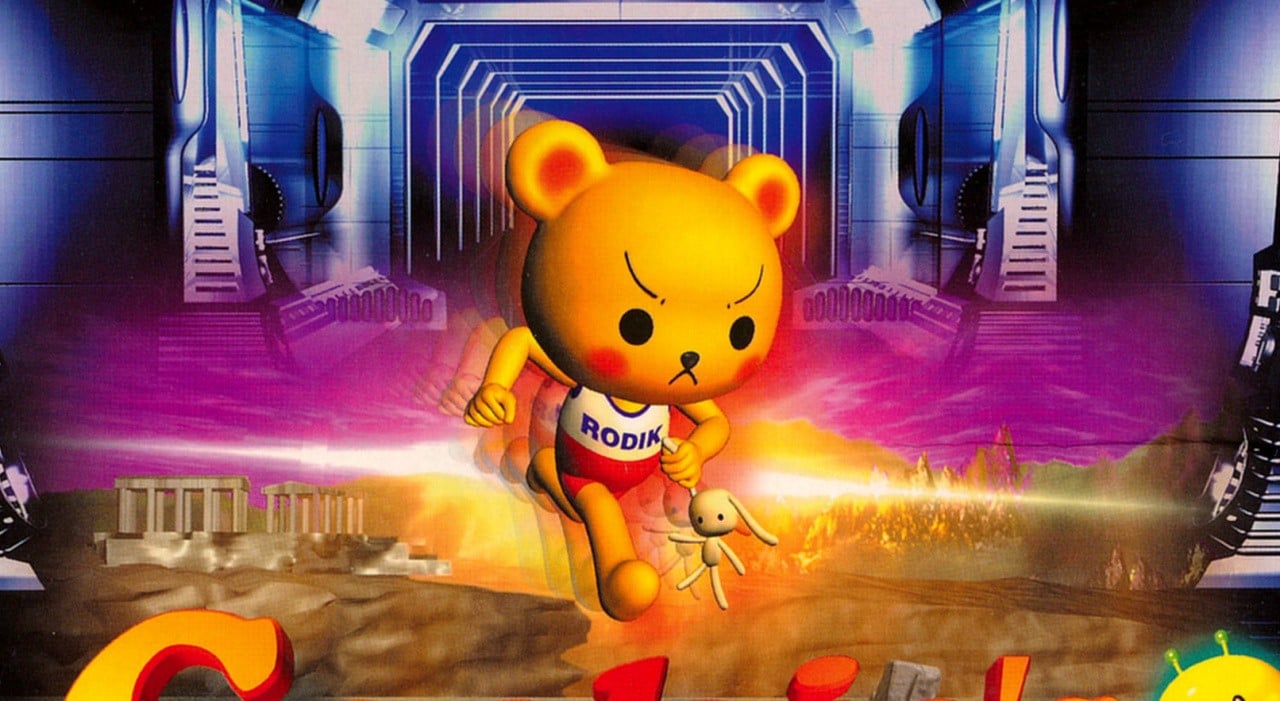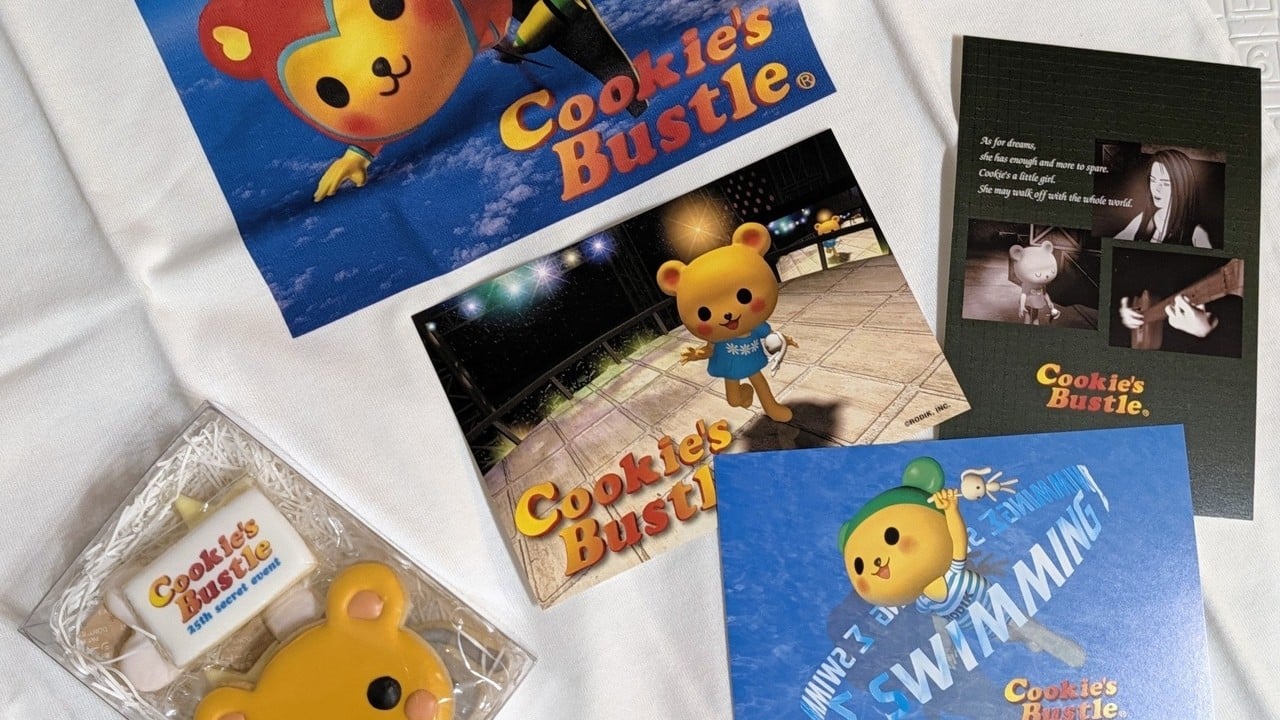
A set of social posts and images circulating this week claim that longtime fans of the obscure point-and-click adventure Cookie's Bustle gathered for a secret 25th‑anniversary party.
The posts identify the game as Cookie's Bustle: Mysterious Bombo World and say it was distributed by a developer called Rodik on the Japanese PC market around 1999.
These details are being shared widely across forums and social feeds, but independent archival confirmation of the game's original release and distribution remains limited in the public record.
Online threads about the event also reference a years‑long dispute involving takedown notices and community moderation.
Those conversations cite a company named Graceware and describe DMCA‑style removal attempts aimed at fan content.
The Digital Millennium Copyright Act (DMCA) is a real U.S. copyright process used to issue takedowns, and Ukie—the Association for UK Interactive Entertainment—is a recognized trade body in the U.K. The Video Game History Foundation (VGHF) is an established non‑profit dedicated to preserving video game history; it is frequently referenced in archival and preservation debates.
Rewritten statements from social coverage
- Attendees described the gathering as a low‑profile reunion with exclusive merchandise, live music and a themed cookie tied to the game's protagonist, according to multiple image posts.
- Organizers reportedly invited fans using mailing addresses associated with historic mail‑order purchases; several posts claim invitees received physical letters and attended a private celebration.
- Posts indicate there was no formal announcement of a remaster, sequel or rerelease during the event.
Why the story matters
The resurgence of interest in a contested or obscure title matters to preservation and community debates.
When archives and fan communities encounter takedown activity, it raises documented questions about ownership claims versus cultural preservation—issues the VGHF and regional trade bodies like Ukie have been involved with in other contexts.
The current posts have prompted renewed conversation about how cult PC games are tracked, archived, and, where possible, legally reissued.
What is verifiable
- Ukie is the Association for UK Interactive Entertainment; the Video Game History Foundation is a known preservation organization.
- DMCA procedures are the established legal route for copyright takedown notices in the United States.
What remains unverified
Publicly verifiable primary sources for Cookie's Bustle's original sales, developer Rodik's company records, and the identity or legal status of Graceware are not broadly available at this time.
Reporters and researchers typically rely on archived catalogs, scanned packaging, and official registries to confirm such claims.
Context for modern platforms
Community interest in obscure PC adventures sometimes sparks reissues or ports to contemporary platforms such as Steam or Nintendo Switch and draws attention during platform showcases like Nintendo Direct and on storefronts like the eShop.
However, there has been no confirmed port or publisher announcement for Cookie's Bustle as of the latest public posts.
Next steps for researchers and fans
Archivists and interested journalists should seek scanned materials, original packaging, distributor records, or statements from named organizations to verify the game's provenance.
For readers following the story, rely on primary‑source documents and official statements from preservation groups or rights holders before treating online claims as confirmed.
The posts identify the game as Cookie's Bustle: Mysterious Bombo World and say it was distributed by a developer called Rodik on the Japanese PC market around 1999.
These details are being shared widely across forums and social feeds, but independent archival confirmation of the game's original release and distribution remains limited in the public record.
Online threads about the event also reference a years‑long dispute involving takedown notices and community moderation.
Those conversations cite a company named Graceware and describe DMCA‑style removal attempts aimed at fan content.
The Digital Millennium Copyright Act (DMCA) is a real U.S. copyright process used to issue takedowns, and Ukie—the Association for UK Interactive Entertainment—is a recognized trade body in the U.K. The Video Game History Foundation (VGHF) is an established non‑profit dedicated to preserving video game history; it is frequently referenced in archival and preservation debates.
Rewritten statements from social coverage
- Attendees described the gathering as a low‑profile reunion with exclusive merchandise, live music and a themed cookie tied to the game's protagonist, according to multiple image posts.
- Organizers reportedly invited fans using mailing addresses associated with historic mail‑order purchases; several posts claim invitees received physical letters and attended a private celebration.
- Posts indicate there was no formal announcement of a remaster, sequel or rerelease during the event.
Why the story matters
The resurgence of interest in a contested or obscure title matters to preservation and community debates.
When archives and fan communities encounter takedown activity, it raises documented questions about ownership claims versus cultural preservation—issues the VGHF and regional trade bodies like Ukie have been involved with in other contexts.
The current posts have prompted renewed conversation about how cult PC games are tracked, archived, and, where possible, legally reissued.
What is verifiable
- Ukie is the Association for UK Interactive Entertainment; the Video Game History Foundation is a known preservation organization.
- DMCA procedures are the established legal route for copyright takedown notices in the United States.
What remains unverified
Publicly verifiable primary sources for Cookie's Bustle's original sales, developer Rodik's company records, and the identity or legal status of Graceware are not broadly available at this time.
Reporters and researchers typically rely on archived catalogs, scanned packaging, and official registries to confirm such claims.
Context for modern platforms
Community interest in obscure PC adventures sometimes sparks reissues or ports to contemporary platforms such as Steam or Nintendo Switch and draws attention during platform showcases like Nintendo Direct and on storefronts like the eShop.
However, there has been no confirmed port or publisher announcement for Cookie's Bustle as of the latest public posts.
Next steps for researchers and fans
Archivists and interested journalists should seek scanned materials, original packaging, distributor records, or statements from named organizations to verify the game's provenance.
For readers following the story, rely on primary‑source documents and official statements from preservation groups or rights holders before treating online claims as confirmed.