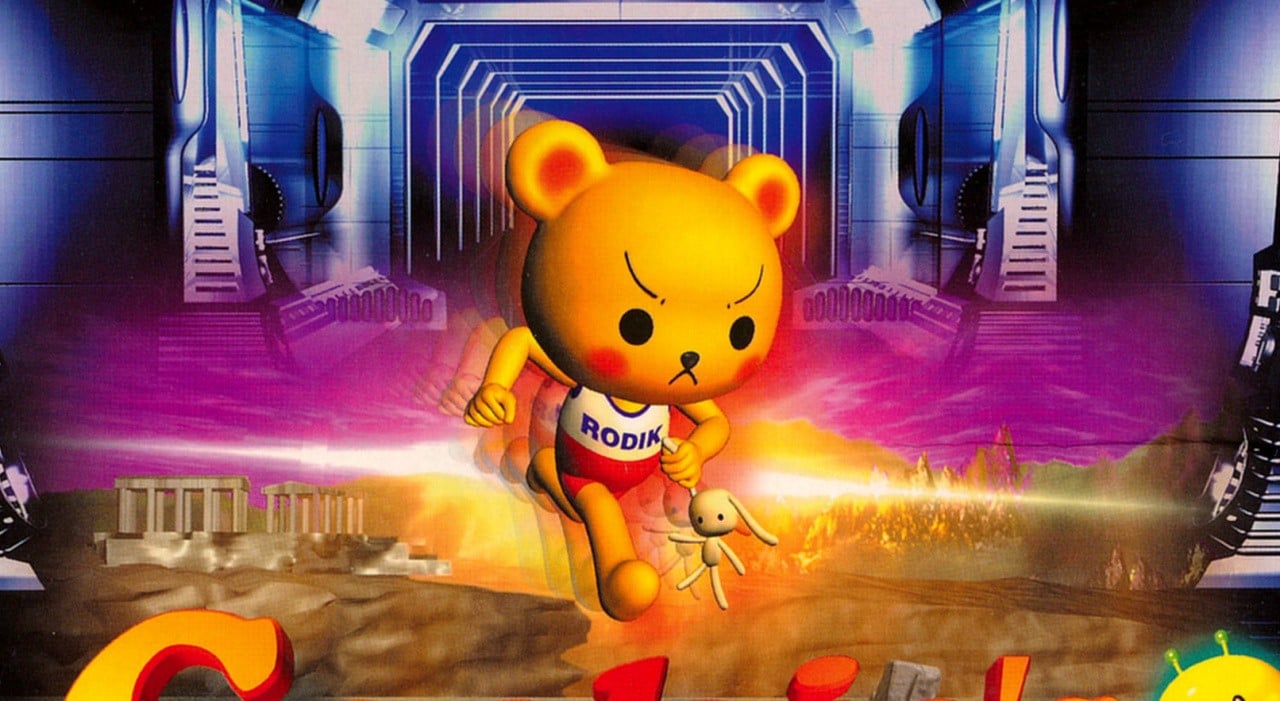
The Video Game History Foundation (VGHF) has achieved a significant breakthrough in the ongoing campaign to preserve the unique Japanese game Cookie's Bustle.
This resolution marks a pivotal moment for advocates of game preservation and research, following years of legal disputes initiated by parties asserting questionable ownership rights over the title.
Developed in Japan, Cookie's Bustle has garnered attention among game historians and fans for both its obscurity and the persistent challenges surrounding its documentation and online availability.
For years, efforts to archive Cookie's Bustle were hampered by repeated takedown requests submitted by Brandon White, acting via the company Graceware.
This campaign, often described as an attempt to erase the game from digital history, posed a major obstacle for organizations dedicated to maintaining an accurate record of video game culture.
Researchers and historians alike struggled to conduct and share meaningful analysis of this unique title due to ongoing removal requests directed at platforms hosting the game’s materials.
Thanks to the determined advocacy of the Video Game History Foundation, these takedown efforts have come to an end.
Acting in concert with Ukie—the UK’s games and interactive entertainment industry association, which was used as a conduit for the disputed copyright claims—the VGHF successfully convinced the organization to suspend any further enforcement on behalf of Graceware and Brandon White.
Phil Salvador, on behalf of the VGHF, characterized the decision as a milestone for the broader gaming community.
Salvador noted that their legal inquiry found no credible evidence supporting White’s claim to Cookie's Bustle, stating that he "was unable to produce any documentation verifying enforceable rights to the game." This clear legal consensus has enabled the VGHF and the wider gaming public to begin reconstructing and preserving the history of Cookie's Bustle without fear of further unwarranted takedowns.
The restoration of access to Cookie's Bustle stands as a testament to the dedication of preservation communities and underscores the challenges still facing digital game archiving.
Not only does the outcome protect an important piece of video game history, but it also signals a stronger opposition to so-called rights-squatting campaigns that threaten to erase culturally significant titles from collective memory.
As the industry continues to evolve—with platforms like the Nintendo Switch and the eShop placing renewed emphasis on legacy content—such victories remain crucial for ensuring the stories behind these games endure for future generations.
This resolution marks a pivotal moment for advocates of game preservation and research, following years of legal disputes initiated by parties asserting questionable ownership rights over the title.
Developed in Japan, Cookie's Bustle has garnered attention among game historians and fans for both its obscurity and the persistent challenges surrounding its documentation and online availability.
For years, efforts to archive Cookie's Bustle were hampered by repeated takedown requests submitted by Brandon White, acting via the company Graceware.
This campaign, often described as an attempt to erase the game from digital history, posed a major obstacle for organizations dedicated to maintaining an accurate record of video game culture.
Researchers and historians alike struggled to conduct and share meaningful analysis of this unique title due to ongoing removal requests directed at platforms hosting the game’s materials.
Thanks to the determined advocacy of the Video Game History Foundation, these takedown efforts have come to an end.
Acting in concert with Ukie—the UK’s games and interactive entertainment industry association, which was used as a conduit for the disputed copyright claims—the VGHF successfully convinced the organization to suspend any further enforcement on behalf of Graceware and Brandon White.
Phil Salvador, on behalf of the VGHF, characterized the decision as a milestone for the broader gaming community.
Salvador noted that their legal inquiry found no credible evidence supporting White’s claim to Cookie's Bustle, stating that he "was unable to produce any documentation verifying enforceable rights to the game." This clear legal consensus has enabled the VGHF and the wider gaming public to begin reconstructing and preserving the history of Cookie's Bustle without fear of further unwarranted takedowns.
The restoration of access to Cookie's Bustle stands as a testament to the dedication of preservation communities and underscores the challenges still facing digital game archiving.
Not only does the outcome protect an important piece of video game history, but it also signals a stronger opposition to so-called rights-squatting campaigns that threaten to erase culturally significant titles from collective memory.
As the industry continues to evolve—with platforms like the Nintendo Switch and the eShop placing renewed emphasis on legacy content—such victories remain crucial for ensuring the stories behind these games endure for future generations.