When the Nintendo Wii launched in 2006, it marked a turning point for both family-friendly gaming and accessible user-generated content.
One of the Wii’s most memorable innovations was the Mii Parade, a feature that showcased Nintendo’s emphasis on social connectivity.
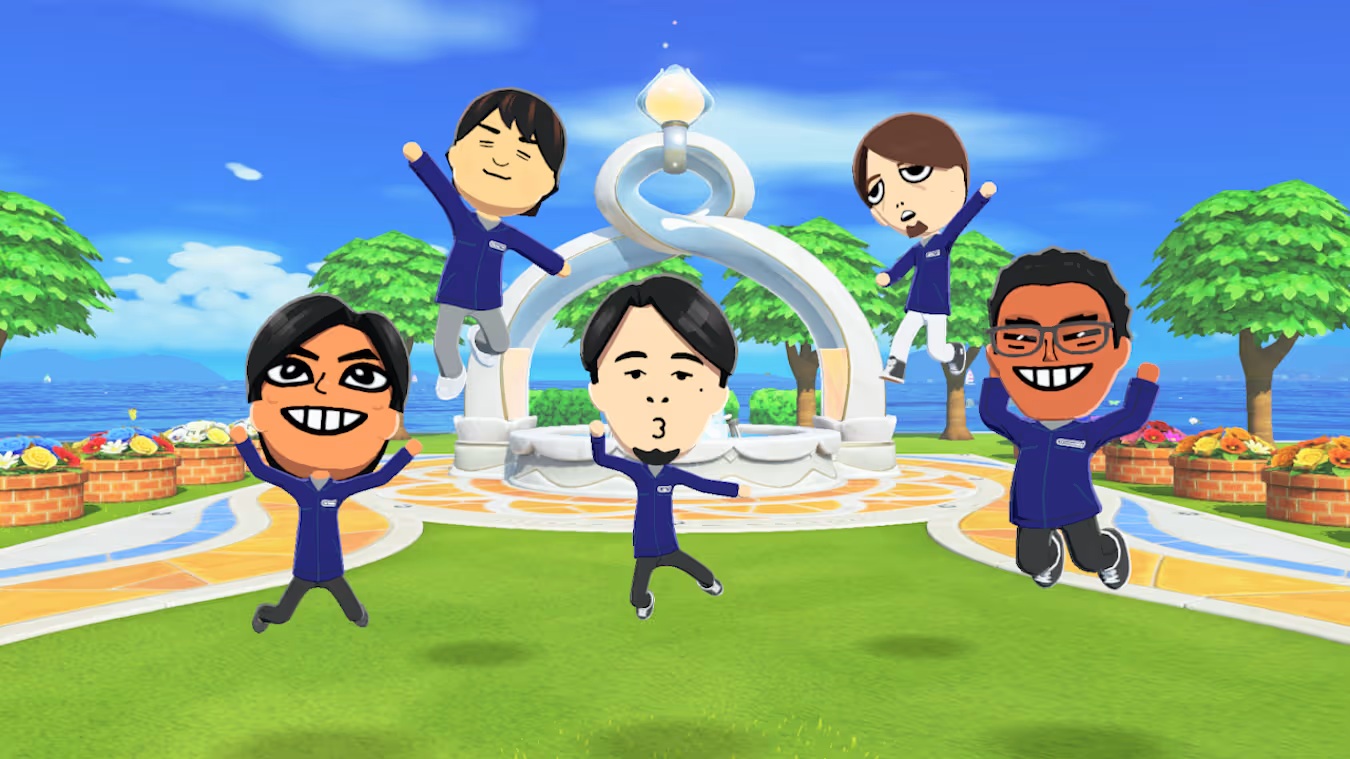
The Mii Parade allowed users to send and receive custom avatars called Miis, which could then parade across consoles via the WiiConnect24 network service.
This system not only underlined Nintendo’s commitment to approachable, personalized gaming experiences but also laid early groundwork for today’s advanced social gaming features.
The Mii Parade demonstrated effective social networking within the Wii ecosystem, encouraging users to interact beyond the boundaries of their own consoles.
By connecting with friends worldwide, players could share Miis that they had uniquely created, giving a playful, human touch to their digital avatars.
As highlighted in community-shared content from the period, such as video demonstrations by users like CaliHurBoy, the Mii Parade’s functionality was met with widespread enthusiasm and served as proof of Nintendo’s innovative approach to user engagement.
According to Nintendo, the Mii Channel and its features—including the Mii Parade—became integral to the initial appeal of the Wii, helping drive sales to over 101 million units worldwide, making it one of the best-selling home consoles in history.
The feature also represented an early form of online social interaction on Nintendo platforms, preceding modern options like those found on the Nintendo Switch and its integrated Nintendo Online Service.
Representatives from Nintendo have characterized the Mii Parade as a "unique way for players to connect and express themselves through their own creations," setting a positive precedent for subsequent cross-platform social features.
The accessibility and interactive nature of the Mii Parade were not only pillars of the Wii’s popularity during its peak years but also influential in shaping Nintendo’s current approach to user-generated content and social play—notably seen in modern titles available through the Nintendo eShop and promoted in Nintendo Direct presentations.
Although WiiConnect24 and the original Mii Parade service concluded as Nintendo evolved its online offerings, the Mii avatar concept continues today on platforms like the Nintendo Switch.
The enduring legacy of the Mii Parade is clear: Nintendo’s focus on social networking and broad engagement remains at the core of its development philosophy, maintaining its relevance in era-defining experiences for modern gamers.
One of the Wii’s most memorable innovations was the Mii Parade, a feature that showcased Nintendo’s emphasis on social connectivity.
The Mii Parade allowed users to send and receive custom avatars called Miis, which could then parade across consoles via the WiiConnect24 network service.
This system not only underlined Nintendo’s commitment to approachable, personalized gaming experiences but also laid early groundwork for today’s advanced social gaming features.
The Mii Parade demonstrated effective social networking within the Wii ecosystem, encouraging users to interact beyond the boundaries of their own consoles.
By connecting with friends worldwide, players could share Miis that they had uniquely created, giving a playful, human touch to their digital avatars.
As highlighted in community-shared content from the period, such as video demonstrations by users like CaliHurBoy, the Mii Parade’s functionality was met with widespread enthusiasm and served as proof of Nintendo’s innovative approach to user engagement.
According to Nintendo, the Mii Channel and its features—including the Mii Parade—became integral to the initial appeal of the Wii, helping drive sales to over 101 million units worldwide, making it one of the best-selling home consoles in history.
The feature also represented an early form of online social interaction on Nintendo platforms, preceding modern options like those found on the Nintendo Switch and its integrated Nintendo Online Service.
Representatives from Nintendo have characterized the Mii Parade as a "unique way for players to connect and express themselves through their own creations," setting a positive precedent for subsequent cross-platform social features.
The accessibility and interactive nature of the Mii Parade were not only pillars of the Wii’s popularity during its peak years but also influential in shaping Nintendo’s current approach to user-generated content and social play—notably seen in modern titles available through the Nintendo eShop and promoted in Nintendo Direct presentations.
Although WiiConnect24 and the original Mii Parade service concluded as Nintendo evolved its online offerings, the Mii avatar concept continues today on platforms like the Nintendo Switch.
The enduring legacy of the Mii Parade is clear: Nintendo’s focus on social networking and broad engagement remains at the core of its development philosophy, maintaining its relevance in era-defining experiences for modern gamers.