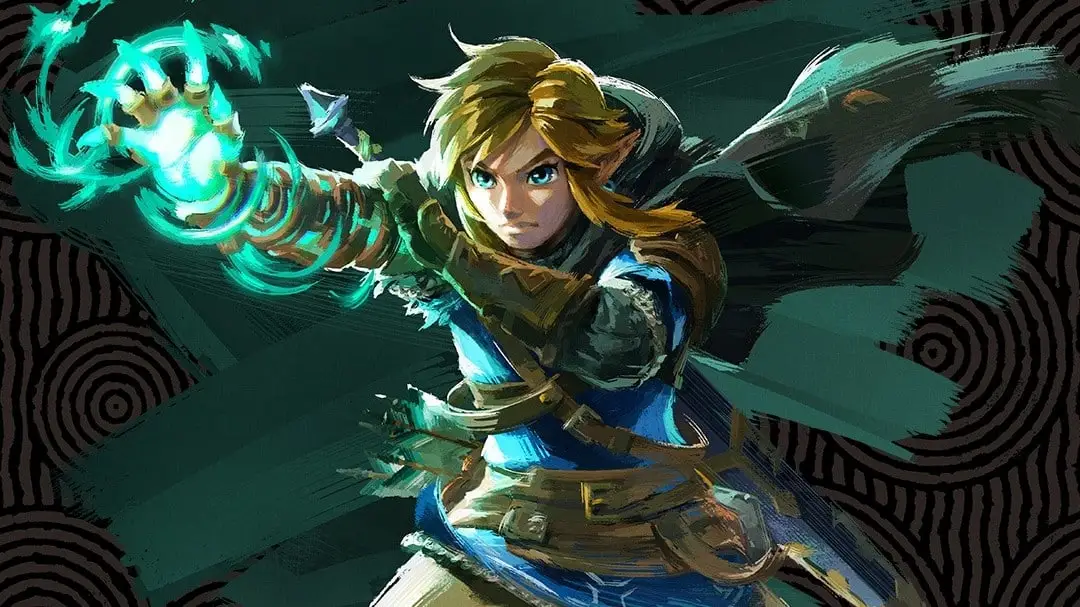
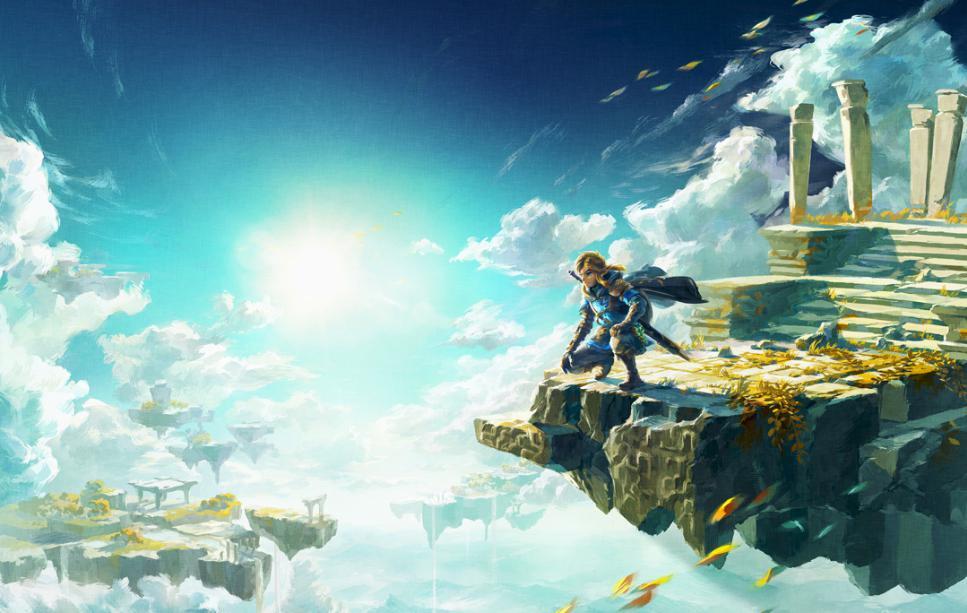
The Legend of Zelda: Tears of the Kingdom, the critically acclaimed Nintendo Switch exclusive, continues to captivate players and industry veterans alike with its masterful game design and innovative mechanics.
As one of Nintendo’s flagship franchises, The Legend of Zelda series is renowned for its engaging boss battles, and the latest entry has pushed creative boundaries in enemy and boss design.
Recently, Takuma Tokita, a notable designer at Nintendo, offered rare behind-the-scenes insights on the process of crafting enemies in Tears of the Kingdom, especially focusing on the Fire Temple’s formidable boss.
Tokita, who joined Nintendo as a character designer, revealed that for his first major project with the company—The Legend of Zelda: Tears of the Kingdom—he was entrusted with designing seven unique enemy characters.
Emphasizing the essential role of enemy encounters in action-adventure games, Tokita explained that well-crafted enemy design elevates player engagement by adding strategic depth and tension to gameplay.
According to Tokita, the challenge lies in ensuring that each enemy not only fits seamlessly into the game’s world but also hints at the strategies players need to employ to overcome them.
One standout example from his portfolio is the Fire Temple boss, Marbled Gohma.
Tokita shared that the initial concept was to make the boss defeat achievable through Yunobo’s rolling attack—a mechanic exploiting the dome-shaped arena of the Fire Temple.
The design process for Marbled Gohma began with the idea of a four-legged crustacean, tailored so the gameplay would be intuitive and satisfying.
Tokita’s team created a 3D model and iteratively adjusted its features after extensive playtesting.
He recounted that the boss’s original leg design was too thin, which frustrated players by making targeted attacks difficult.
By thickening the legs and tweaking the animation so they remained on the ground longer, the team enhanced clarity and playability, making enemy weak points more accessible.
Moreover, Tokita described how the protagonist Link’s new Ascend ability shaped the boss’s design even further.
The Marbled Gohma’s torso was flattened to accommodate Link standing on it, and unique shell features distinguished it visually and mechanically from real-world crustaceans.
These changes underwent numerous rounds of testing and refinement, underscoring Nintendo’s commitment to not only visual creativity but also gameplay harmony.
Importantly, Tokita highlighted that creating memorable in-game enemies is a collaborative process.
A small team of designers, planners, and programmers iterate on ideas, gathering feedback before refining the final product.
Finished designs are reviewed by the broader development team and the director, ensuring alignment with the game’s vision.
The Legend of Zelda: Tears of the Kingdom launched for Nintendo Switch on May 12, 2023, and quickly achieved commercial and critical success, setting records for eShop downloads and global sales.
The game’s thoughtful approach to boss and enemy design is a testament to the talent and dedication of its development team.
With insights from Takuma Tokita, fans now have a deeper appreciation for the meticulous work that goes into every epic battle in the Zelda franchise.
As one of Nintendo’s flagship franchises, The Legend of Zelda series is renowned for its engaging boss battles, and the latest entry has pushed creative boundaries in enemy and boss design.
Recently, Takuma Tokita, a notable designer at Nintendo, offered rare behind-the-scenes insights on the process of crafting enemies in Tears of the Kingdom, especially focusing on the Fire Temple’s formidable boss.
Tokita, who joined Nintendo as a character designer, revealed that for his first major project with the company—The Legend of Zelda: Tears of the Kingdom—he was entrusted with designing seven unique enemy characters.
Emphasizing the essential role of enemy encounters in action-adventure games, Tokita explained that well-crafted enemy design elevates player engagement by adding strategic depth and tension to gameplay.
According to Tokita, the challenge lies in ensuring that each enemy not only fits seamlessly into the game’s world but also hints at the strategies players need to employ to overcome them.
One standout example from his portfolio is the Fire Temple boss, Marbled Gohma.
Tokita shared that the initial concept was to make the boss defeat achievable through Yunobo’s rolling attack—a mechanic exploiting the dome-shaped arena of the Fire Temple.
The design process for Marbled Gohma began with the idea of a four-legged crustacean, tailored so the gameplay would be intuitive and satisfying.
Tokita’s team created a 3D model and iteratively adjusted its features after extensive playtesting.
He recounted that the boss’s original leg design was too thin, which frustrated players by making targeted attacks difficult.
By thickening the legs and tweaking the animation so they remained on the ground longer, the team enhanced clarity and playability, making enemy weak points more accessible.
Moreover, Tokita described how the protagonist Link’s new Ascend ability shaped the boss’s design even further.
The Marbled Gohma’s torso was flattened to accommodate Link standing on it, and unique shell features distinguished it visually and mechanically from real-world crustaceans.
These changes underwent numerous rounds of testing and refinement, underscoring Nintendo’s commitment to not only visual creativity but also gameplay harmony.
Importantly, Tokita highlighted that creating memorable in-game enemies is a collaborative process.
A small team of designers, planners, and programmers iterate on ideas, gathering feedback before refining the final product.
Finished designs are reviewed by the broader development team and the director, ensuring alignment with the game’s vision.
The Legend of Zelda: Tears of the Kingdom launched for Nintendo Switch on May 12, 2023, and quickly achieved commercial and critical success, setting records for eShop downloads and global sales.
The game’s thoughtful approach to boss and enemy design is a testament to the talent and dedication of its development team.
With insights from Takuma Tokita, fans now have a deeper appreciation for the meticulous work that goes into every epic battle in the Zelda franchise.