
The Legend of Zelda: Ocarina of Time remake — Master Display and HUD modes explained
Background
The Legend of Zelda: Ocarina of Time was originally developed by Nintendo EAD and released for the Nintendo 64 in 1998.
A high-profile remake, The Legend of Zelda: Ocarina of Time 3D, was later developed by Grezzo and released for the Nintendo 3DS in 2011.
Grezzo has since become Nintendo’s go-to partner for remasters, notably developing the 2019 Link's Awakening remake for Nintendo Switch.
Remasters and remakes often land in Nintendo Direct presentations and on the Nintendo eShop, where Nintendo showcases updates and new releases for its platforms.
What is Master Display?
One notable feature of the recent remake is a new display option called Master Display.
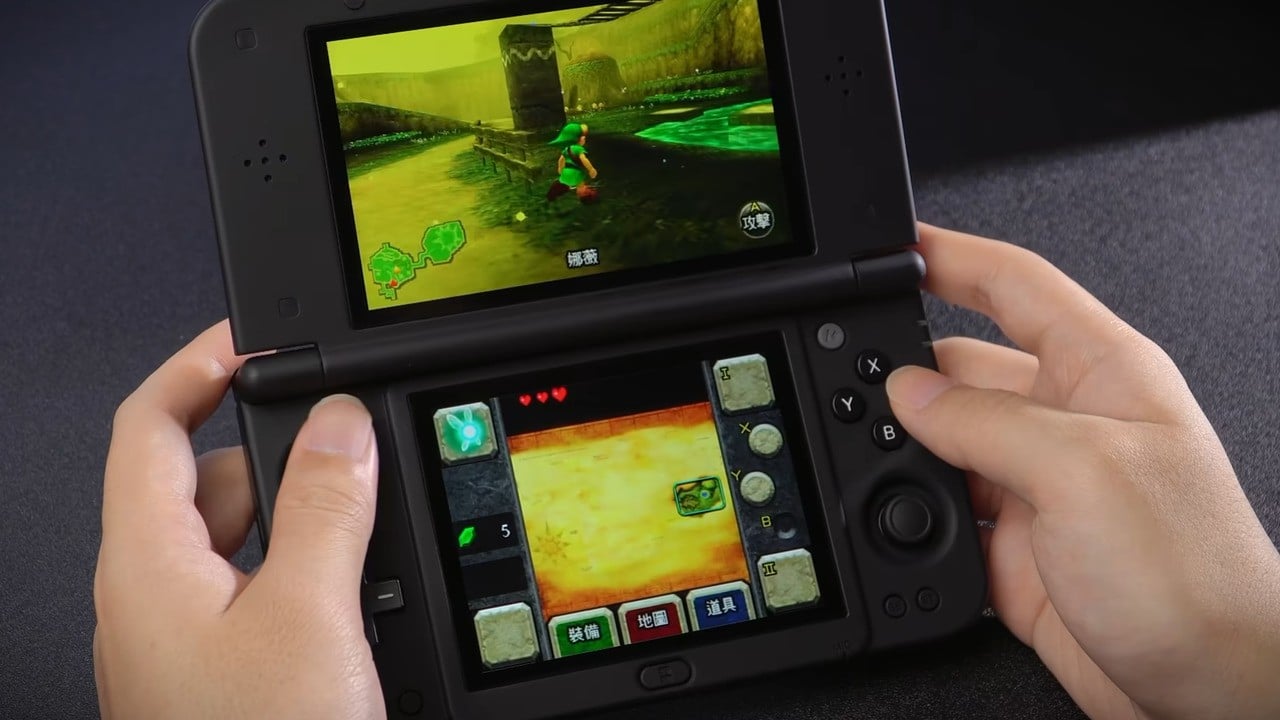
In journalistic terms: the Master Display mode removes all on-screen user interface elements so players can experience the game without HUD clutter.
The intent is to offer a purely immersive presentation, with no health meters, minimaps, or button prompts displayed during play.
HUD options and player choice
Alongside Master Display, the remake offers additional HUD modes to accommodate different player preferences.
A Standard display keeps the full complement of on-screen information familiar to many players, while a Pro display provides a pared-back interface with minimal indicators.
Players can choose the display mode that best suits their playstyle, whether they prefer full guidance or a stripped-back, cinematic experience.
Why HUD options matter in remasters
HUD customization has become an important part of modern remasters and remakes.
Removing the UI can change how environments and cutscenes read on contemporary displays, and it can underscore a title’s visual and audio work.
Developers such as Grezzo and Nintendo have used HUD toggles in previous remasters to balance accessibility with authenticity, ensuring both new players and series veterans can tailor the experience.
Context for Nintendo platforms
While the original Ocarina of Time debuted on Nintendo 64 and its definitive handheld remake arrived on Nintendo 3DS in 2011, Nintendo continues to promote its remasters and releases through Nintendo Direct broadcasts and the Nintendo eShop storefront.
Features like Master Display reflect a broader trend: giving players more options to shape their gameplay presentation on today’s hardware.
Background
The Legend of Zelda: Ocarina of Time was originally developed by Nintendo EAD and released for the Nintendo 64 in 1998.
A high-profile remake, The Legend of Zelda: Ocarina of Time 3D, was later developed by Grezzo and released for the Nintendo 3DS in 2011.
Grezzo has since become Nintendo’s go-to partner for remasters, notably developing the 2019 Link's Awakening remake for Nintendo Switch.
Remasters and remakes often land in Nintendo Direct presentations and on the Nintendo eShop, where Nintendo showcases updates and new releases for its platforms.
What is Master Display?
One notable feature of the recent remake is a new display option called Master Display.
In journalistic terms: the Master Display mode removes all on-screen user interface elements so players can experience the game without HUD clutter.
The intent is to offer a purely immersive presentation, with no health meters, minimaps, or button prompts displayed during play.
HUD options and player choice
Alongside Master Display, the remake offers additional HUD modes to accommodate different player preferences.
A Standard display keeps the full complement of on-screen information familiar to many players, while a Pro display provides a pared-back interface with minimal indicators.
Players can choose the display mode that best suits their playstyle, whether they prefer full guidance or a stripped-back, cinematic experience.
Why HUD options matter in remasters
HUD customization has become an important part of modern remasters and remakes.
Removing the UI can change how environments and cutscenes read on contemporary displays, and it can underscore a title’s visual and audio work.
Developers such as Grezzo and Nintendo have used HUD toggles in previous remasters to balance accessibility with authenticity, ensuring both new players and series veterans can tailor the experience.
Context for Nintendo platforms
While the original Ocarina of Time debuted on Nintendo 64 and its definitive handheld remake arrived on Nintendo 3DS in 2011, Nintendo continues to promote its remasters and releases through Nintendo Direct broadcasts and the Nintendo eShop storefront.
Features like Master Display reflect a broader trend: giving players more options to shape their gameplay presentation on today’s hardware.