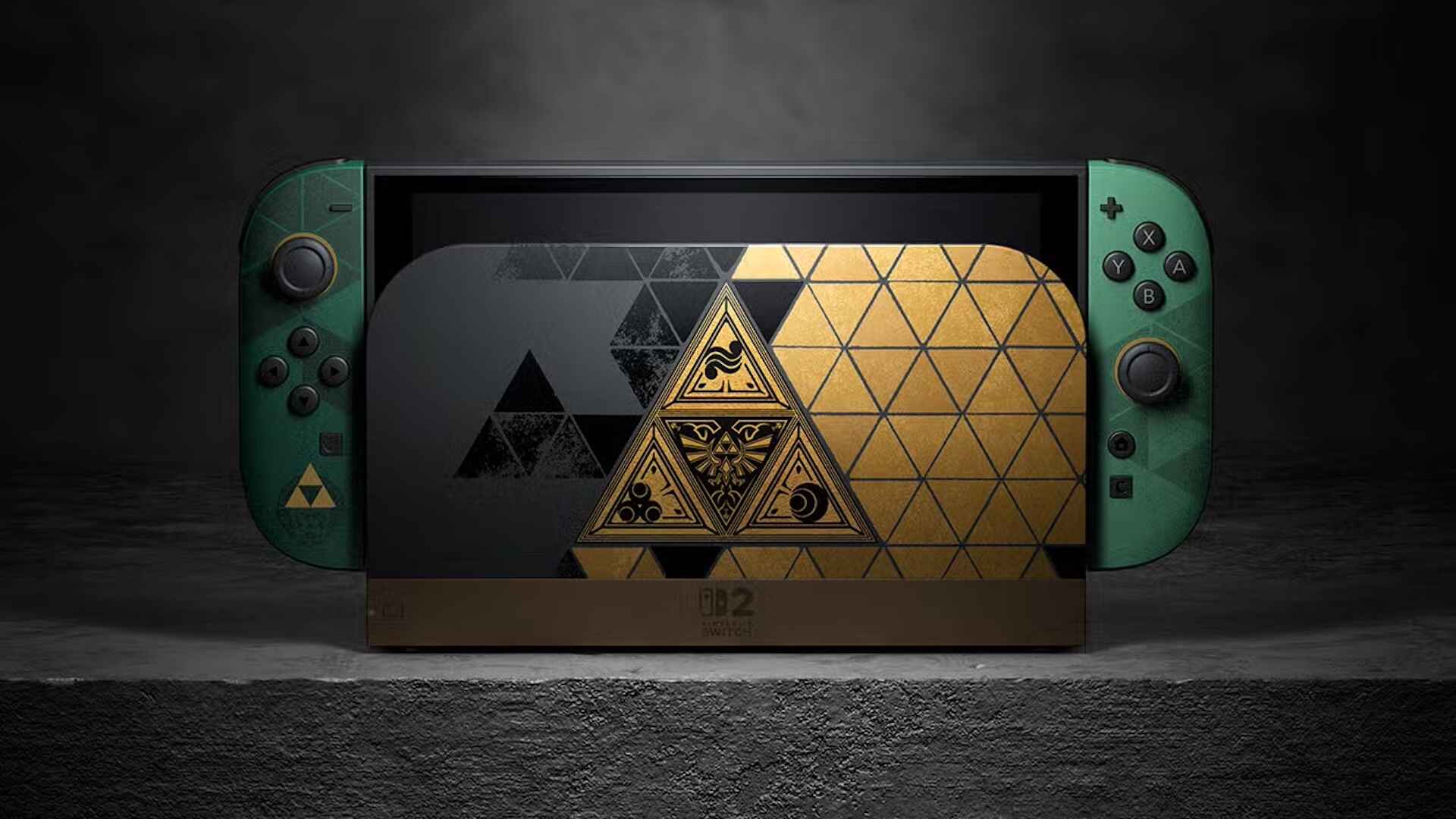
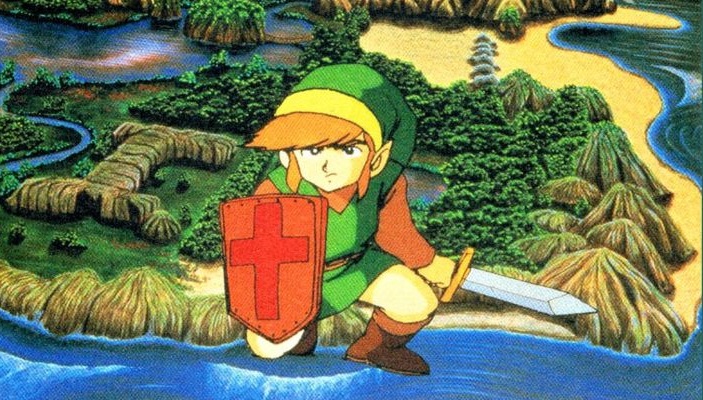


A brief product description for The Legend of Zelda: Ocarina of Time appeared in Google search results tied to Nintendo of America’s site before being removed, drawing attention to a possible remake for Nintendo’s next hardware platform commonly referred to as “Switch 2.” The listing described the title as a full remake of the Nintendo 64 classic with updated visuals and designs while preserving its gameplay core.
The original The Legend of Zelda: Ocarina of Time launched on the Nintendo 64 in 1998 and has been one of Nintendo’s most influential entries in the Zelda franchise.
Nintendo previously supported a high-profile remaster: Ocarina of Time 3D, released for the Nintendo 3DS in 2011 and developed in partnership with Grezzo.
Those releases form the historical context for any new remake discussion and are verifiable milestones in the title’s platform history.
Paraphrasing the wording that briefly showed on the official U.S. listing: Nintendo described the N64 classic as being reborn as a full remake for Nintendo’s next console, highlighting “stunning visuals, updated designs, and timeless gameplay.” That description has since been removed from the search result listing.
The appearance and removal of the description were first reported by Go Nintendo and captured via public search results; Nintendo has not published a formal, persistent product page with these details on its NoA site at the time of reporting.
Historically, Nintendo has used channels such as Nintendo Direct presentations and official eShop listings to announce major remakes and platform launches, and the company handled previous Zelda remakes through formal announcements and retailer pages.
What’s verifiable: Ocarina of Time originated on N64 in 1998 and received a 3DS remaster in 2011 developed by Grezzo in cooperation with Nintendo.
The recently seen description tied to Nintendo of America suggested a full remake targeted to Nintendo’s next hardware, but the transient listing itself was removed and is not an official, ongoing product page.
We will monitor official Nintendo channels, including Nintendo Direct broadcasts and the eShop, for any confirmed announcements, release dates, or developer credits.
Until Nintendo publishes a formal product page or press release, details beyond the removed description remain unconfirmed.
The original The Legend of Zelda: Ocarina of Time launched on the Nintendo 64 in 1998 and has been one of Nintendo’s most influential entries in the Zelda franchise.
Nintendo previously supported a high-profile remaster: Ocarina of Time 3D, released for the Nintendo 3DS in 2011 and developed in partnership with Grezzo.
Those releases form the historical context for any new remake discussion and are verifiable milestones in the title’s platform history.
Paraphrasing the wording that briefly showed on the official U.S. listing: Nintendo described the N64 classic as being reborn as a full remake for Nintendo’s next console, highlighting “stunning visuals, updated designs, and timeless gameplay.” That description has since been removed from the search result listing.
The appearance and removal of the description were first reported by Go Nintendo and captured via public search results; Nintendo has not published a formal, persistent product page with these details on its NoA site at the time of reporting.
Historically, Nintendo has used channels such as Nintendo Direct presentations and official eShop listings to announce major remakes and platform launches, and the company handled previous Zelda remakes through formal announcements and retailer pages.
What’s verifiable: Ocarina of Time originated on N64 in 1998 and received a 3DS remaster in 2011 developed by Grezzo in cooperation with Nintendo.
The recently seen description tied to Nintendo of America suggested a full remake targeted to Nintendo’s next hardware, but the transient listing itself was removed and is not an official, ongoing product page.
We will monitor official Nintendo channels, including Nintendo Direct broadcasts and the eShop, for any confirmed announcements, release dates, or developer credits.
Until Nintendo publishes a formal product page or press release, details beyond the removed description remain unconfirmed.