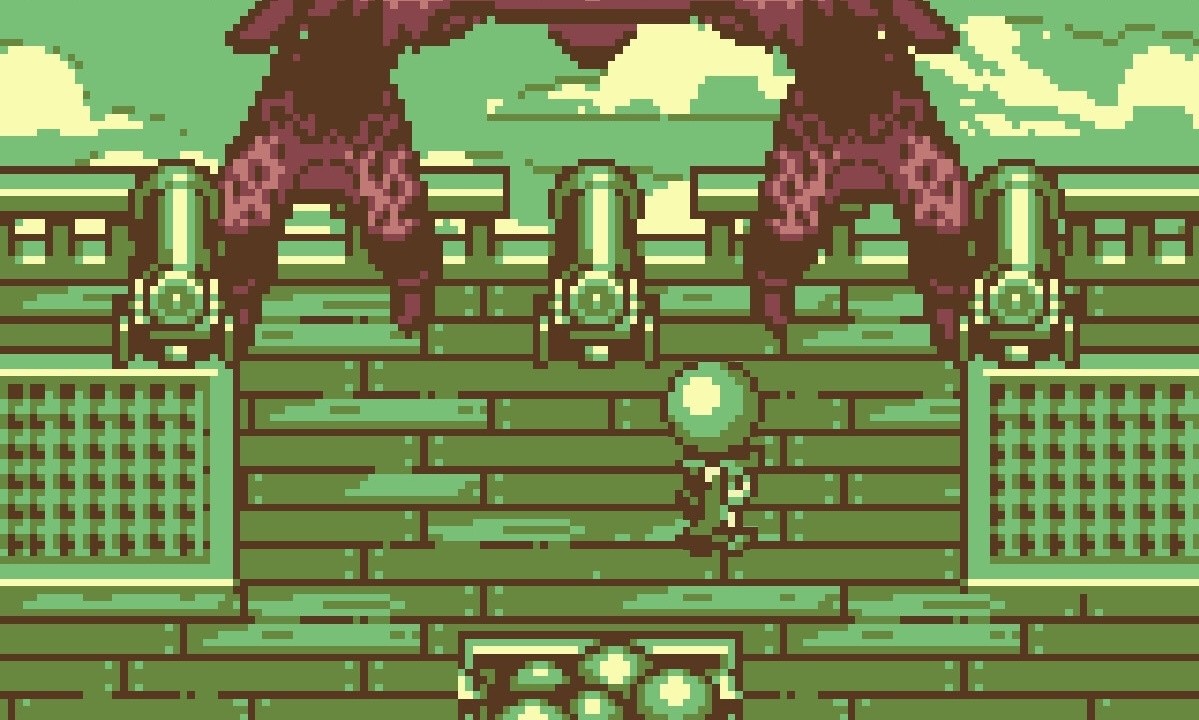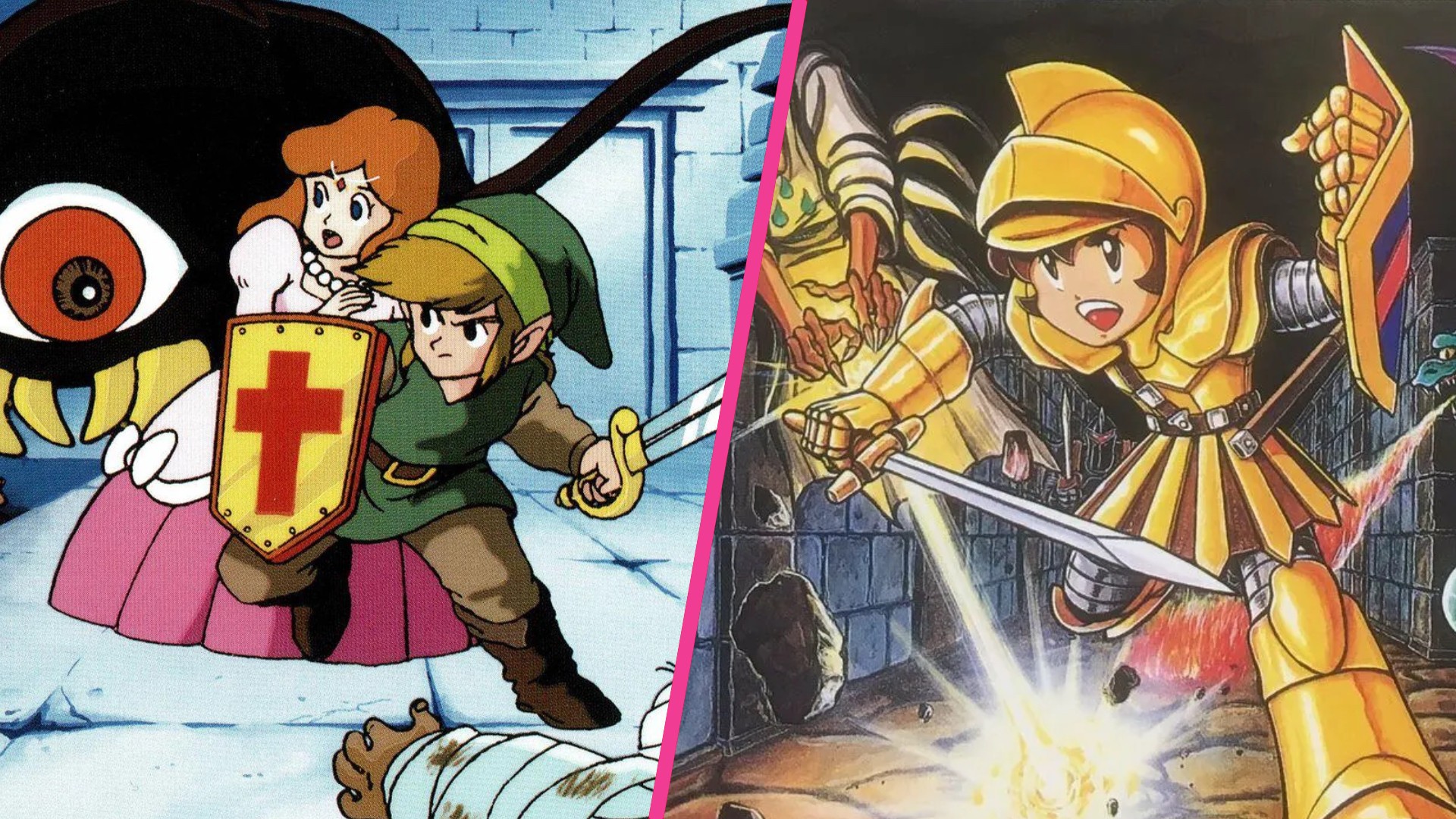
The Tower of Zeldaga is a free, browser-based fan project that blends gameplay ideas from Nintendo’s seminal The Legend of Zelda and Namco’s arcade classic The Tower of Druaga.
Created by independent developer Osmose, the mash-up is designed to run in modern web browsers, supports mobile devices, and can be played with connected controllers.
As an unofficial homage, it exists outside of official storefronts such as the Nintendo eShop and is not a Nintendo or Namco release.
Background and lineage
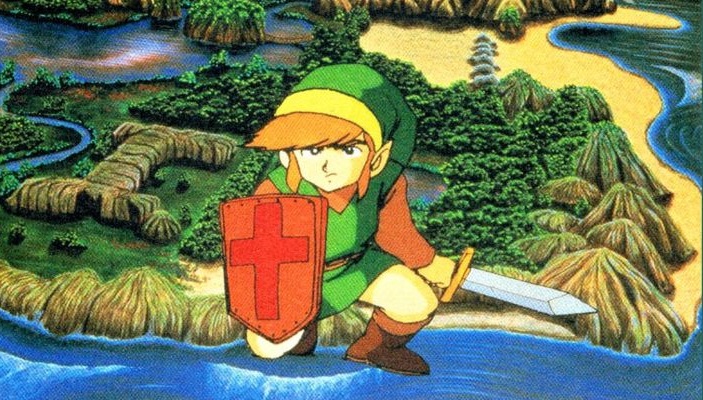
The Legend of Zelda first debuted on Nintendo’s Famicom Disk System in 1986 and established a template for exploration and puzzle-driven action-adventure design that has influenced countless titles.
Namco’s The Tower of Druaga, originally released as an arcade game in 1984, also left a distinct mark on early Japanese game design.
The Tower of Zeldaga intentionally combines motifs from both—maze-like rooms, concealed secrets, and escalating puzzle difficulty—to evoke that 1980s arcade-and-home hybrid feeling.
What the developer says
Osmose, the creator, explains that each room in The Tower of Zeldaga contains a hidden puzzle that becomes more obtuse as players progress, deliberately increasing challenge and discovery as core systems.
The developer also said they had intended to replicate the social aspect of arcade cabinets—where players left notes for one another—by adding per-room guestbooks and group features.
However, Osmose confirmed those plans were dropped after deciding that hosting arbitrary user-generated content introduced significant moderation and technical complexity.
Platform and accessibility
The Tower of Zeldaga is distributed as a free-to-play browser build and is accessible on both desktop and mobile browsers.
It also supports external controllers for a more traditional play experience.
Because it is a fan-made project, it is not available via official channels such as the Nintendo eShop or tied to hardware-specific promotions like a Nintendo Direct announcement.
Why it matters
Projects like The Tower of Zeldaga demonstrate the continuing influence of early Nintendo and Namco designs on independent creators, and they provide a playable window into how classic mechanics can be recombined for modern audiences.
For players interested in retro-inspired indie work, Osmose’s free browser release is an accessible option to experience that lineage without installing native software.
Created by independent developer Osmose, the mash-up is designed to run in modern web browsers, supports mobile devices, and can be played with connected controllers.
As an unofficial homage, it exists outside of official storefronts such as the Nintendo eShop and is not a Nintendo or Namco release.
Background and lineage
The Legend of Zelda first debuted on Nintendo’s Famicom Disk System in 1986 and established a template for exploration and puzzle-driven action-adventure design that has influenced countless titles.
Namco’s The Tower of Druaga, originally released as an arcade game in 1984, also left a distinct mark on early Japanese game design.
The Tower of Zeldaga intentionally combines motifs from both—maze-like rooms, concealed secrets, and escalating puzzle difficulty—to evoke that 1980s arcade-and-home hybrid feeling.
What the developer says
Osmose, the creator, explains that each room in The Tower of Zeldaga contains a hidden puzzle that becomes more obtuse as players progress, deliberately increasing challenge and discovery as core systems.
The developer also said they had intended to replicate the social aspect of arcade cabinets—where players left notes for one another—by adding per-room guestbooks and group features.
However, Osmose confirmed those plans were dropped after deciding that hosting arbitrary user-generated content introduced significant moderation and technical complexity.
Platform and accessibility
The Tower of Zeldaga is distributed as a free-to-play browser build and is accessible on both desktop and mobile browsers.
It also supports external controllers for a more traditional play experience.
Because it is a fan-made project, it is not available via official channels such as the Nintendo eShop or tied to hardware-specific promotions like a Nintendo Direct announcement.
Why it matters
Projects like The Tower of Zeldaga demonstrate the continuing influence of early Nintendo and Namco designs on independent creators, and they provide a playable window into how classic mechanics can be recombined for modern audiences.
For players interested in retro-inspired indie work, Osmose’s free browser release is an accessible option to experience that lineage without installing native software.