Yoshi’s Island DS Review: Expanding a Classic on Nintendo DS
Yoshi’s Island DS, developed and published by Nintendo for the Nintendo DS, is the direct sequel to the critically acclaimed Super Mario World 2: Yoshi’s Island for the Super Nintendo Entertainment System (SNES).
Following the monumental success and enduring legacy of the original Yoshi’s Island—which is often hailed as one of the greatest 2D platformers in gaming history—expectations were high when Nintendo announced a follow-up for its dual-screen handheld.
Released in North America on November 13, 2006, Yoshi’s Island DS aimed to retain the essence of its predecessor while making full use of the Nintendo DS’s hardware capabilities.
Building upon the foundation established by the SNES classic, Yoshi’s Island DS reprises the whimsical adventure of Yoshi and his infant companions.
The story continues the familiar theme: after Kamek's attempts to abduct all babies from the Mushroom Kingdom, the resilient stork frees Baby Mario and Baby Peach.
Taking on the role of Yoshi, players navigate diverse, puzzle-filled stages to rescue Baby Luigi, while collecting hearts, red coins, and starbits along the way.
The starbits serve as timers, providing players with a limited window to retrieve Baby Mario if Yoshi is hit by an enemy.
Yoshi’s Island DS is noteworthy for its expanded cast of baby characters, each introducing unique gameplay mechanics.
Baby Peach can float farther and catch air currents, adding a new traversal dynamic.
Baby Donkey Kong enables vine-climbing and rope swings, and is capable of a powerful forward charge to break blocks.
Baby Wario utilizes magnets to attract coins and grip special platforms.
Baby Bowser, distinctively, replaces Yoshi’s egg-throwing ability with the power to unleash fireballs, further diversifying the game’s platforming challenges.
However, availability of Baby Wario and Baby Bowser is limited to select stages, which restricts their potential impact on overall replayability.
The introduction of character-specific abilities brings variety to level designs and expands the series’ puzzle-solving elements.
Classic Yoshi transformations return, alongside new vehicles such as a rocket and kangaroo suit, offering fresh ways to explore each world.
The game contains 10 stages per world—eight standard, one unlocked post-game, and another for completing all collectables—providing ample content for completionists.
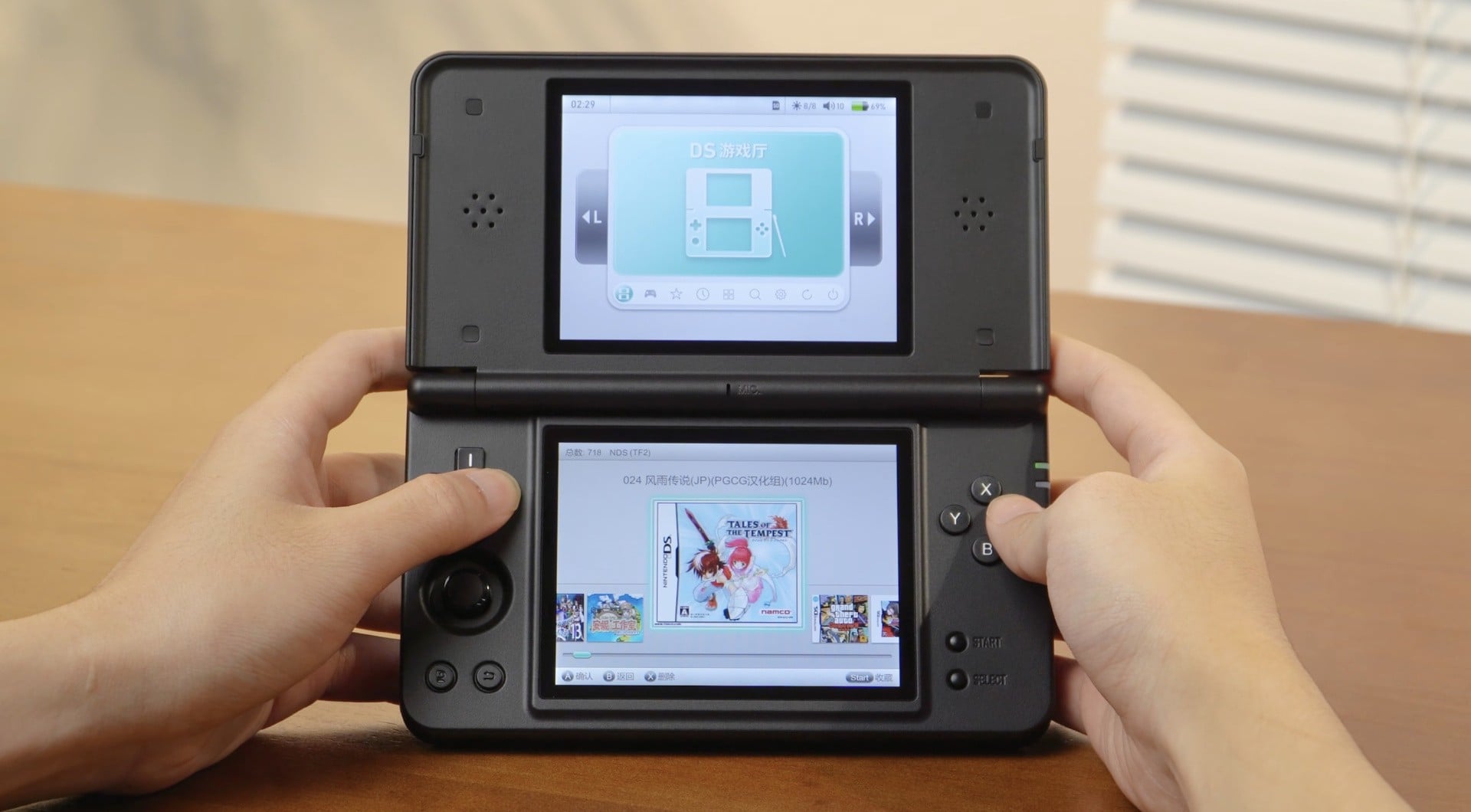
A standout feature of Yoshi’s Island DS is its clever integration of the Nintendo DS’s dual-screen functionality.
Several puzzles involve launching eggs from one screen to another or moving between upper and lower displays, effectively making stages feel larger and more complex than those in either the SNES predecessor or later entries.
The controls remain intuitive and responsive, and players quickly adapt to the unique spatial layout of the DS interface.
Graphically, Yoshi’s Island DS preserves the vibrant, hand-drawn aesthetic that defined the original, with refined sprites and colorful environments.
While it doesn’t introduce groundbreaking visuals, it successfully updates the visual style for a new generation of hardware.
On the Wii U Virtual Console, however, display options can make gameplay feel cramped when playing on a TV, though the GamePad offers a more comfortable experience.
The soundtrack features familiar Yoshi’s Island melodies along with new compositions, staying true to the series’ playful spirit.
Sound effects are crisp and recognizable, enhancing the immersive, nostalgic atmosphere.
In summary, Yoshi’s Island DS is an excellent 2D platformer that faithfully builds on its predecessor’s gameplay while leveraging Nintendo DS hardware innovations.
While the intermittent use of certain baby characters and Virtual Console viewing constraints can be seen as minor drawbacks, the game remains a worthwhile addition for fans of the franchise and genre enthusiasts alike.
For players seeking a polished, content-rich platforming experience, Yoshi’s Island DS delivers.
Version tested: Wii U Virtual Console
Review copy provided by Nintendo.
Yoshi’s Island DS, developed and published by Nintendo for the Nintendo DS, is the direct sequel to the critically acclaimed Super Mario World 2: Yoshi’s Island for the Super Nintendo Entertainment System (SNES).
Following the monumental success and enduring legacy of the original Yoshi’s Island—which is often hailed as one of the greatest 2D platformers in gaming history—expectations were high when Nintendo announced a follow-up for its dual-screen handheld.
Released in North America on November 13, 2006, Yoshi’s Island DS aimed to retain the essence of its predecessor while making full use of the Nintendo DS’s hardware capabilities.
Building upon the foundation established by the SNES classic, Yoshi’s Island DS reprises the whimsical adventure of Yoshi and his infant companions.
The story continues the familiar theme: after Kamek's attempts to abduct all babies from the Mushroom Kingdom, the resilient stork frees Baby Mario and Baby Peach.
Taking on the role of Yoshi, players navigate diverse, puzzle-filled stages to rescue Baby Luigi, while collecting hearts, red coins, and starbits along the way.
The starbits serve as timers, providing players with a limited window to retrieve Baby Mario if Yoshi is hit by an enemy.
Yoshi’s Island DS is noteworthy for its expanded cast of baby characters, each introducing unique gameplay mechanics.
Baby Peach can float farther and catch air currents, adding a new traversal dynamic.
Baby Donkey Kong enables vine-climbing and rope swings, and is capable of a powerful forward charge to break blocks.
Baby Wario utilizes magnets to attract coins and grip special platforms.
Baby Bowser, distinctively, replaces Yoshi’s egg-throwing ability with the power to unleash fireballs, further diversifying the game’s platforming challenges.
However, availability of Baby Wario and Baby Bowser is limited to select stages, which restricts their potential impact on overall replayability.
The introduction of character-specific abilities brings variety to level designs and expands the series’ puzzle-solving elements.
Classic Yoshi transformations return, alongside new vehicles such as a rocket and kangaroo suit, offering fresh ways to explore each world.
The game contains 10 stages per world—eight standard, one unlocked post-game, and another for completing all collectables—providing ample content for completionists.
A standout feature of Yoshi’s Island DS is its clever integration of the Nintendo DS’s dual-screen functionality.
Several puzzles involve launching eggs from one screen to another or moving between upper and lower displays, effectively making stages feel larger and more complex than those in either the SNES predecessor or later entries.
The controls remain intuitive and responsive, and players quickly adapt to the unique spatial layout of the DS interface.
Graphically, Yoshi’s Island DS preserves the vibrant, hand-drawn aesthetic that defined the original, with refined sprites and colorful environments.
While it doesn’t introduce groundbreaking visuals, it successfully updates the visual style for a new generation of hardware.
On the Wii U Virtual Console, however, display options can make gameplay feel cramped when playing on a TV, though the GamePad offers a more comfortable experience.
The soundtrack features familiar Yoshi’s Island melodies along with new compositions, staying true to the series’ playful spirit.
Sound effects are crisp and recognizable, enhancing the immersive, nostalgic atmosphere.
In summary, Yoshi’s Island DS is an excellent 2D platformer that faithfully builds on its predecessor’s gameplay while leveraging Nintendo DS hardware innovations.
While the intermittent use of certain baby characters and Virtual Console viewing constraints can be seen as minor drawbacks, the game remains a worthwhile addition for fans of the franchise and genre enthusiasts alike.
For players seeking a polished, content-rich platforming experience, Yoshi’s Island DS delivers.
Version tested: Wii U Virtual Console
Review copy provided by Nintendo.