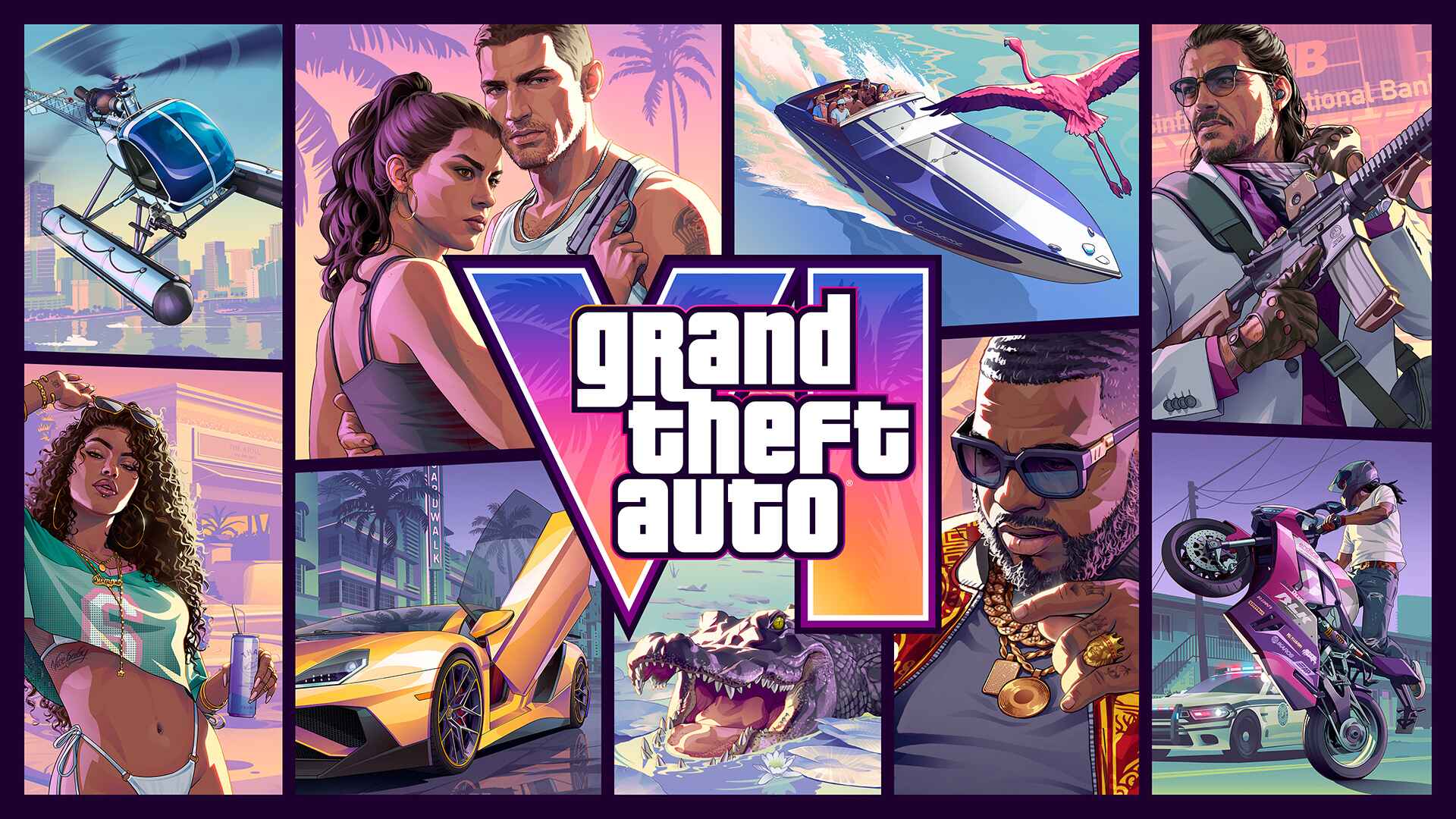
Grand Theft Auto VI on Switch 2: why Digital Foundry believes a faithful port is unlikely
Digital Foundry, the technology analysis outlet long respected for deep dives into console performance, has concluded that Rockstar Games would face substantial technical obstacles bringing Grand Theft Auto VI to a hypothetical Nintendo Switch successor often discussed as Switch 2.
The outlet examined the title's technical profile across high-end and mid-range current-generation hardware and warned that the game’s CPU demands make a portable or hybrid console conversion extremely difficult without fundamentally altering the experience.
Background and platforms
Rockstar Games unveiled Grand Theft Auto VI with a first trailer in December 2023.
Since then, technical analysts and outlets including Digital Foundry have dissected the title’s systems and performance characteristics on PlayStation 5, PlayStation 5 Pro, Xbox Series X and Xbox Series S hardware.
Digital Foundry’s reporting emphasizes that GTA VI’s large open world, dense environmental simulation and advanced NPC behaviour combine to create a heavy CPU workload in addition to significant GPU demands.
Digital Foundry’s findings, paraphrased
Digital Foundry explains that while graphical settings such as texture resolution and lighting can often be lowered to accommodate less powerful GPUs, systems that are CPU-bound are far harder to scale down without altering core gameplay systems.
The outlet argues that GTA VI’s simulation depth and system complexity produce a CPU burden that contributes to performance targets such as 30 frames per second even on more powerful PlayStation 5 Pro configurations.
Based on that analysis, Digital Foundry judges that a Switch 2 port that kept the game’s systems intact would be extremely unlikely.
Senior analyst Oliver Mackenzie expanded on the point, saying in effect that under current technology and development paradigms a faithful Switch 2 conversion would be impractical.
He noted that the game is substantially heavy on CPU-driven systems and that attempting to preserve those systems on significantly lower-spec hardware would require compromises that depart from Rockstar’s intended experience.
What this means for Nintendo and developers
Nintendo has not officially announced a successor to the Switch; media and fans frequently refer to a potential next-generation device as Switch 2.
For developers and platform holders, Digital Foundry’s analysis highlights a general industry reality: open-world titles with deep simulation present unique challenges for hardware with limited CPU headroom.
For now, the assessment suggests that any porting plans would require either major reengineering of core systems or alternative delivery strategies rather than straightforward downscaling.
This analysis underscores the gap between console classes when it comes to CPU-bound open-world games and offers a grounded perspective for publishers, developers and Nintendo-focused audiences tracking the future of major third-party releases on the Switch platform.