
Intro
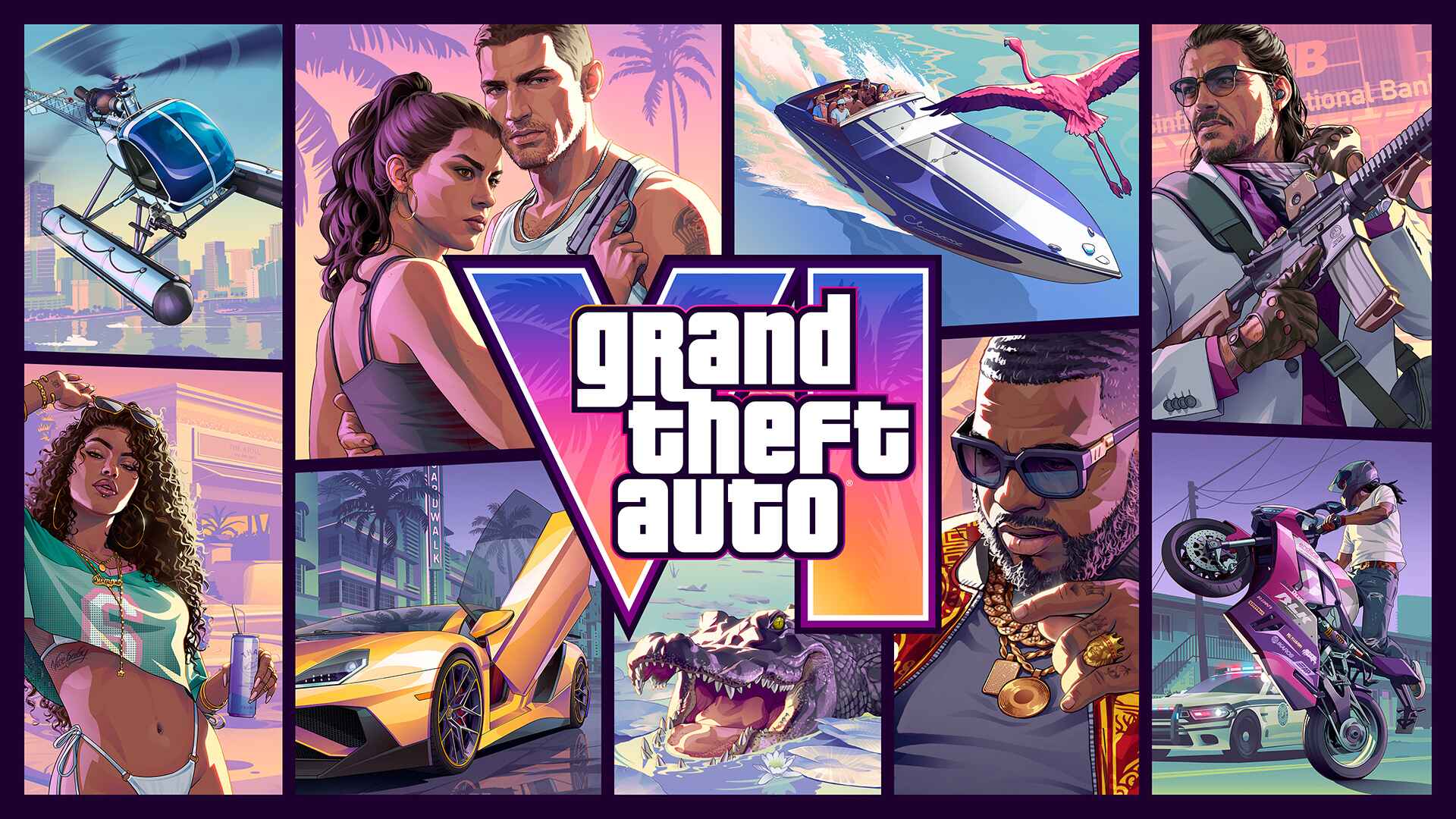
Grand Theft Auto VI (GTA 6) is one of the most-discussed upcoming entries in Rockstar Games' long-running franchise, and debate about platform availability has followed every major technical breakdown.
Digital Foundry, known for deep hardware and performance analysis, has assessed how demanding the title is on current consoles — and those findings have direct implications for whether a version could feasibly ship on Nintendo hardware such as the Nintendo Switch or a next-generation Switch successor.
Technical reality: Digital Foundry's assessment
Digital Foundry's recent coverage highlights substantial CPU and overall performance demands in the build they examined, with the outlet noting that performance on lower-tier current-gen hardware can be compromised.
Their report called out sustained frame-rate drops on less powerful consoles, with frame-rates frequently sitting in the mid-to-high 20s during ordinary traversal and combat on some platforms.
DF's analysis emphasizes the significant processing load the game places on available CPUs and GPUs.
Paraphrased expert take
Summarizing the outlet's position, John Linneman of Digital Foundry said that, without major technical concessions or a fundamentally different build, running the game on a Nintendo hybrid platform appears highly unlikely.
In journalistic terms: Linneman suggested that only sweeping changes to the game's systems or scope would make a Switch-family port viable.
Why the hardware gap matters
Digital Foundry's concerns focus on raw CPU and memory requirements and the game's scope — factors that determine whether developers can deliver a recognizably similar open-world experience on weaker hardware.
By contrast, some previously challenging titles have been adapted for the original Nintendo Switch through extensive optimization and developer tooling; The Witcher 3 is a notable example of a demanding open-world game that was ported to Switch with significant engineering work.
What this means for Rockstar and Nintendo
Rockstar Games has a history of creating technically ambitious open worlds, and any platform release is ultimately a commercial and technical decision for the developer and publisher.
If a Switch-family release were pursued, it would likely require either a heavily reworked version of the game or cloud-streaming approaches.
For now, Digital Foundry's findings make a native Switch 2 port appear improbable without major changes.
Conclusion
Digital Foundry's analysis provides a clear, technical explanation for why a straight port of a high-end Rockstar open world to Nintendo's hybrid hardware would be challenging.
Fans and industry observers should watch for official platform announcements from Rockstar and Nintendo and further technical breakdowns from outlets like Digital Foundry for definitive answers.