In 2025, Nintendo fans witnessed the triumphant return of one of gaming’s most notorious antagonists: King K.
Rool.
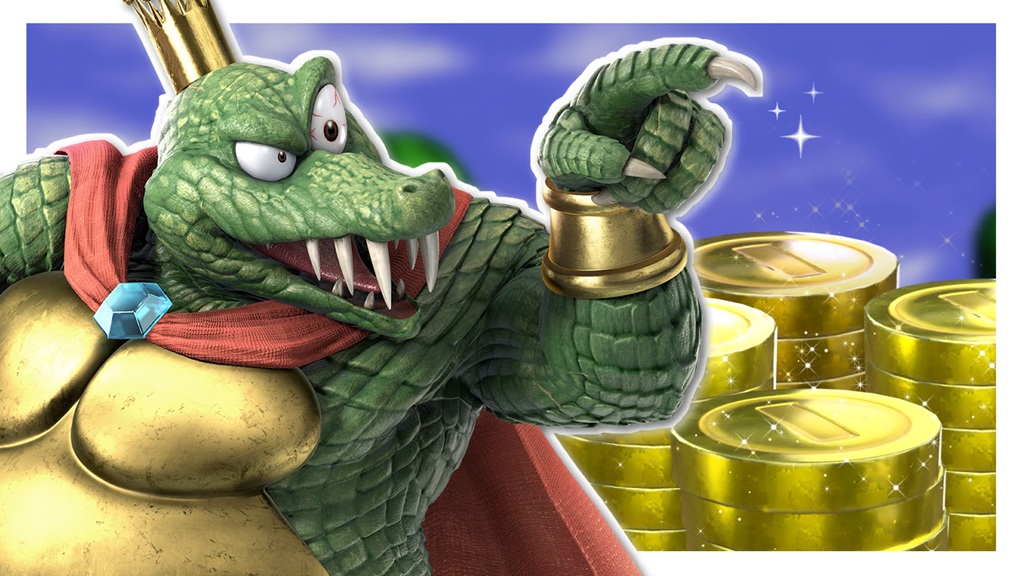
Known as Donkey Kong’s arch-nemesis, King K.
Rool made a stunning impact with his role in Donkey Kong Bananza, reinforcing his legacy as a major villain and captivating a new wave of Nintendo Switch players.
The last time King K.
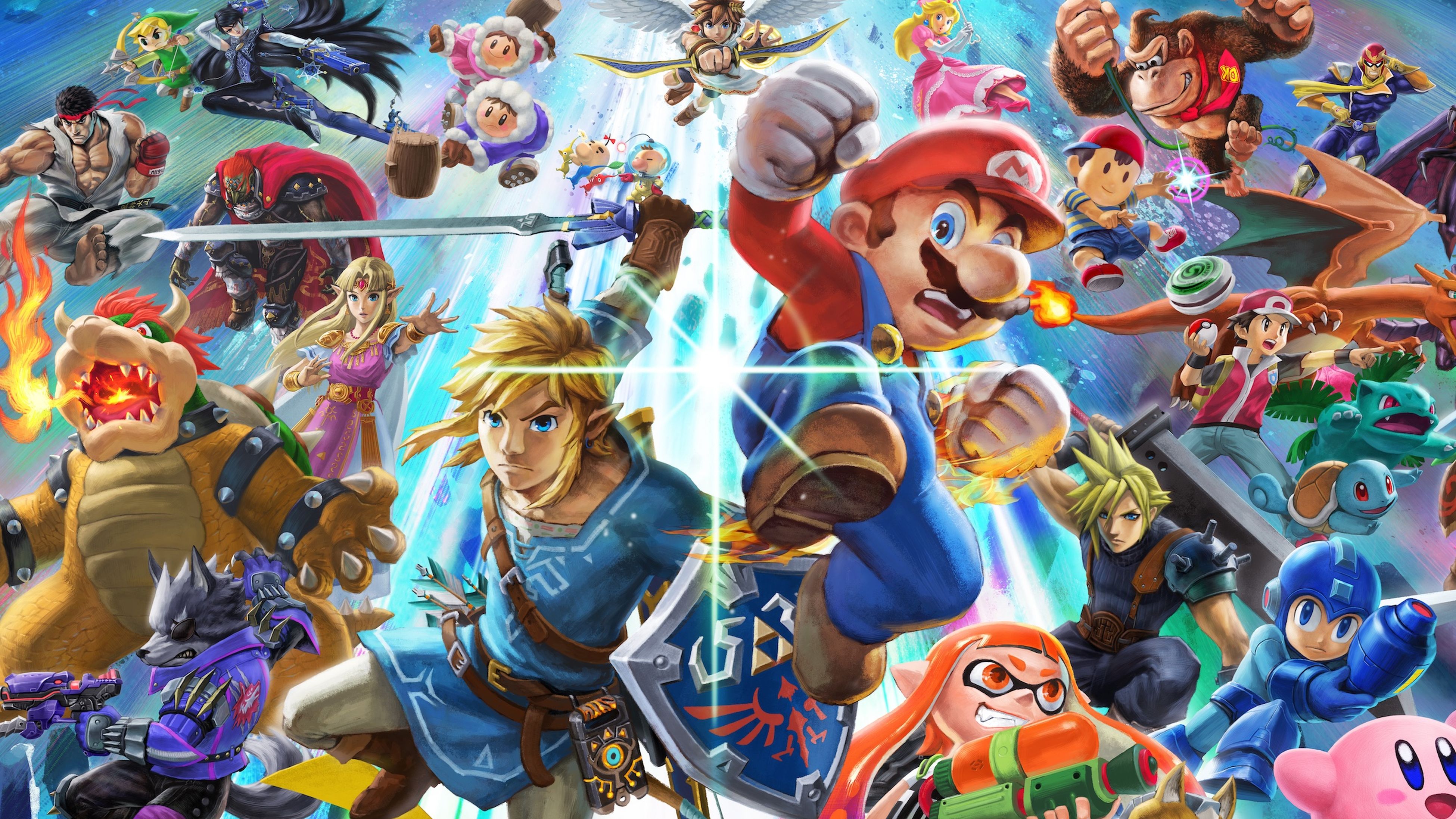
Rool received widespread attention was in 2018, when he was unveiled as a playable fighter in Super Smash Bros.
Ultimate during a Nintendo Direct presentation, igniting excitement across the eShop and fan communities.
However, his starring appearance in Bananza has further solidified his status as a fan-favorite character.
King K.
Rool’s infamous reign began with his debut in Rare’s original Donkey Kong Country for the Super Nintendo Entertainment System (SNES), where he introduced players to his distinctive arsenal—such as the Crownerang and notorious feigned defeats.
Throughout the 1990s, K.
Rool returned in Donkey Kong Country 2: Diddy’s Kong Quest under the persona of Kaptain K.
Rool, and in Donkey Kong Country 3: Dixie Kong’s Double Trouble! as Baron K.
Roolenstein, each time incorporating new gimmicks like blunderbusses and mechanical enhancements.
His final boss appearance in Donkey Kong 64 remains a standout moment, famously requiring all five Kongs to work together against him.
Beyond mainline games, K.
Rool leapt into titles like Donkey Kong Land, DK: King of Swing, DK: Jungle Climber, Donkey Kong: Barrel Blast, and Mario Super Sluggers, before entering a decade-long hiatus from 2008 to 2018.
That period of absence ended when Masahiro Sakurai and the Super Smash Bros.
Ultimate team invigorated his legacy by including him as a playable fighter, basing his moveset on classic Donkey Kong Country attacks.
Despite this resurgence, King K.
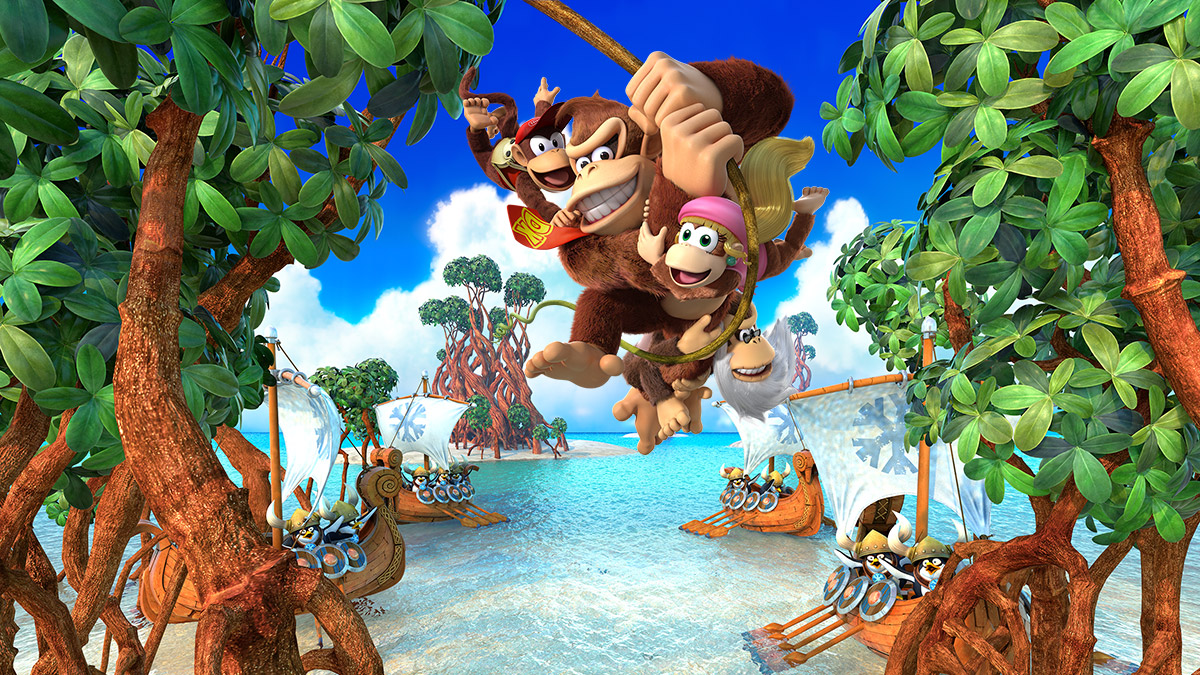
Rool remained elusive in mainline Donkey Kong releases on Nintendo Switch, including Donkey Kong Country Returns and Tropical Freeze.
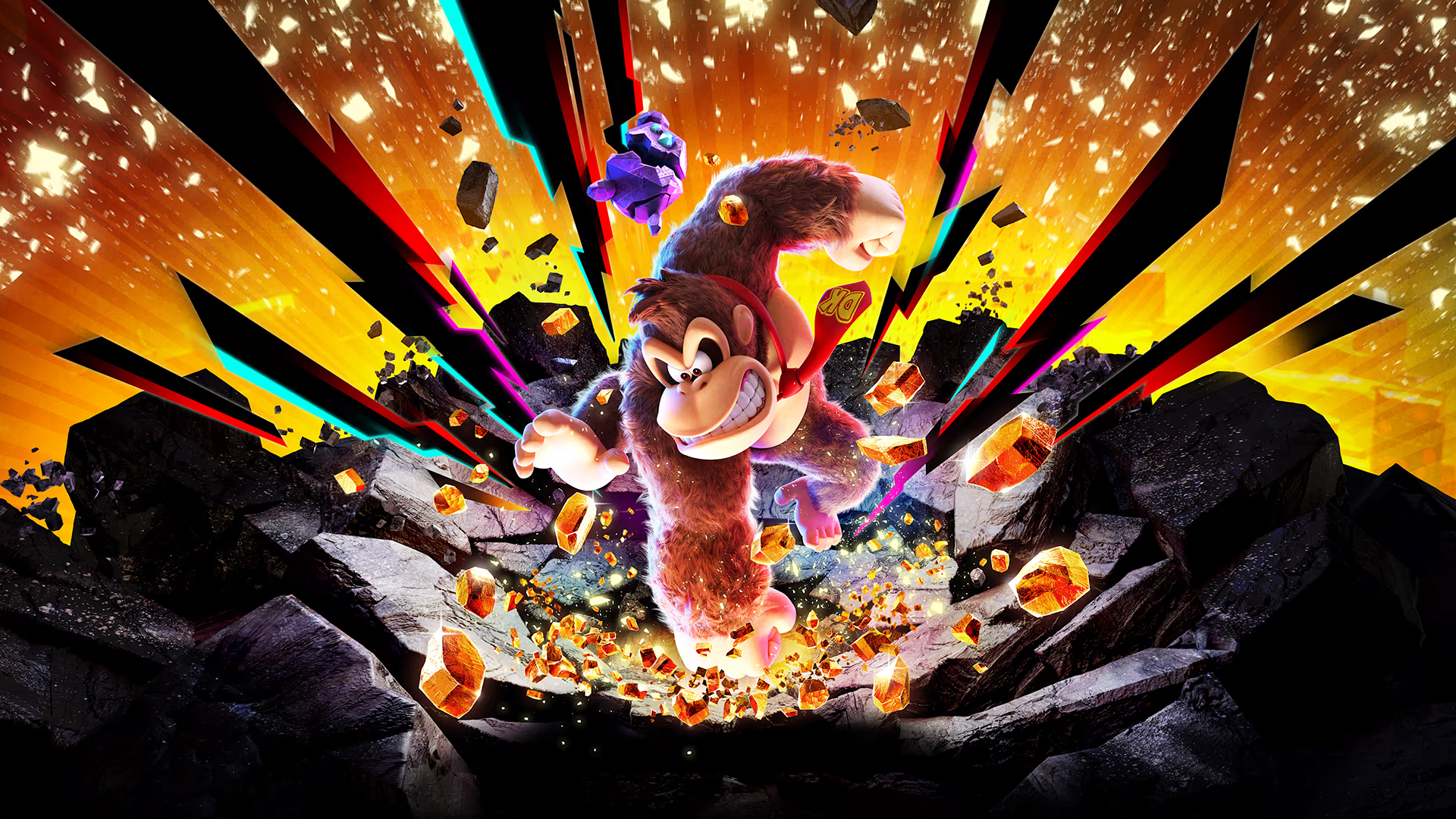
Fast forward to 2025: Donkey Kong Bananza’s launch rekindled anticipation among long-time fans eager to see if K.
Rool would make an appearance.
At release, speculation ran high, with many noting the presence of redesigned Kremling enemies as subtle clues.
As the game’s storyline unfolded, players learned that K.
Rool had been hidden in the Underground World—unconscious, mistaken by antagonist Void Kong for the legendary Banandium Root.
When Pauline’s singing revives him, King K.
Rool assumes his trademark role as the game’s central antagonist, utilizing the Banandium Root to power new forms and orchestrating daring heists in iconic locations like New Donk City.
The climactic showdown marked a nostalgic yet fresh highlight, paying homage to his long-standing rivalry with the Kong family, including confrontations with Diddy and Dixie Kong.
Nintendo’s commitment to King K.
Rool’s character was further underscored by his inclusion in daily animations on the Nintendo Today app as of December 16, 2025.
Through these cross-platform appearances—from mainline adventures to mobile engagement—Nintendo signaled a renewed recognition of K.
Rool’s enduring popularity.
King K.
Rool’s success in Donkey Kong Bananza demonstrates the benefit of spacing out his major roles, ensuring his appearances remain impactful.
While returning to the mainline series as the central antagonist can enhance each title’s uniqueness, bringing King K.
Rool into Mario spin-offs—such as Mario Kart or Mario Tennis—would help maintain his relevance across the broader Nintendo universe.
This approach could extend to other characters like Dixie Kong, Diddy Kong, and even newcomer Void Kong.
Donkey Kong Bananza’s positive reception and impressive sales on the Nintendo Switch highlight the fan demand for classic villainy and innovative storytelling.
With Nintendo now making King K.
Rool more visible as a recurring figure, it is clear that the villain’s future in the Donkey Kong series—and possibly in the wider selection of Nintendo franchises—is brighter than ever.
Rool.
Known as Donkey Kong’s arch-nemesis, King K.
Rool made a stunning impact with his role in Donkey Kong Bananza, reinforcing his legacy as a major villain and captivating a new wave of Nintendo Switch players.
The last time King K.
Rool received widespread attention was in 2018, when he was unveiled as a playable fighter in Super Smash Bros.
Ultimate during a Nintendo Direct presentation, igniting excitement across the eShop and fan communities.
However, his starring appearance in Bananza has further solidified his status as a fan-favorite character.
King K.
Rool’s infamous reign began with his debut in Rare’s original Donkey Kong Country for the Super Nintendo Entertainment System (SNES), where he introduced players to his distinctive arsenal—such as the Crownerang and notorious feigned defeats.
Throughout the 1990s, K.
Rool returned in Donkey Kong Country 2: Diddy’s Kong Quest under the persona of Kaptain K.
Rool, and in Donkey Kong Country 3: Dixie Kong’s Double Trouble! as Baron K.
Roolenstein, each time incorporating new gimmicks like blunderbusses and mechanical enhancements.
His final boss appearance in Donkey Kong 64 remains a standout moment, famously requiring all five Kongs to work together against him.
Beyond mainline games, K.
Rool leapt into titles like Donkey Kong Land, DK: King of Swing, DK: Jungle Climber, Donkey Kong: Barrel Blast, and Mario Super Sluggers, before entering a decade-long hiatus from 2008 to 2018.
That period of absence ended when Masahiro Sakurai and the Super Smash Bros.
Ultimate team invigorated his legacy by including him as a playable fighter, basing his moveset on classic Donkey Kong Country attacks.
Despite this resurgence, King K.
Rool remained elusive in mainline Donkey Kong releases on Nintendo Switch, including Donkey Kong Country Returns and Tropical Freeze.
Fast forward to 2025: Donkey Kong Bananza’s launch rekindled anticipation among long-time fans eager to see if K.
Rool would make an appearance.
At release, speculation ran high, with many noting the presence of redesigned Kremling enemies as subtle clues.
As the game’s storyline unfolded, players learned that K.
Rool had been hidden in the Underground World—unconscious, mistaken by antagonist Void Kong for the legendary Banandium Root.
When Pauline’s singing revives him, King K.
Rool assumes his trademark role as the game’s central antagonist, utilizing the Banandium Root to power new forms and orchestrating daring heists in iconic locations like New Donk City.
The climactic showdown marked a nostalgic yet fresh highlight, paying homage to his long-standing rivalry with the Kong family, including confrontations with Diddy and Dixie Kong.
Nintendo’s commitment to King K.
Rool’s character was further underscored by his inclusion in daily animations on the Nintendo Today app as of December 16, 2025.
Through these cross-platform appearances—from mainline adventures to mobile engagement—Nintendo signaled a renewed recognition of K.
Rool’s enduring popularity.
King K.
Rool’s success in Donkey Kong Bananza demonstrates the benefit of spacing out his major roles, ensuring his appearances remain impactful.
While returning to the mainline series as the central antagonist can enhance each title’s uniqueness, bringing King K.
Rool into Mario spin-offs—such as Mario Kart or Mario Tennis—would help maintain his relevance across the broader Nintendo universe.
This approach could extend to other characters like Dixie Kong, Diddy Kong, and even newcomer Void Kong.
Donkey Kong Bananza’s positive reception and impressive sales on the Nintendo Switch highlight the fan demand for classic villainy and innovative storytelling.
With Nintendo now making King K.
Rool more visible as a recurring figure, it is clear that the villain’s future in the Donkey Kong series—and possibly in the wider selection of Nintendo franchises—is brighter than ever.