

Retro gaming enthusiasts have long debated the merits and unique visual qualities of old-school CRT (Cathode Ray Tube) displays compared to today's LCD and OLED screens.
This ongoing discussion has gained renewed attention thanks to the work of indie developer @aisunina, who recently revealed new ways emulators replicate the distinctive transparency effects seen in classic Sega Genesis (Mega Drive) titles such as Sonic the Hedgehog, a cornerstone of gaming history.
In the 1980s and 1990s, game development was intricately tied to the hardware of the era.
Developers carefully considered the characteristics of CRT screens and harnessed their features to achieve effects that modern displays simply cannot duplicate natively.
For instance, the Genesis lacked hardware support for object transparency.
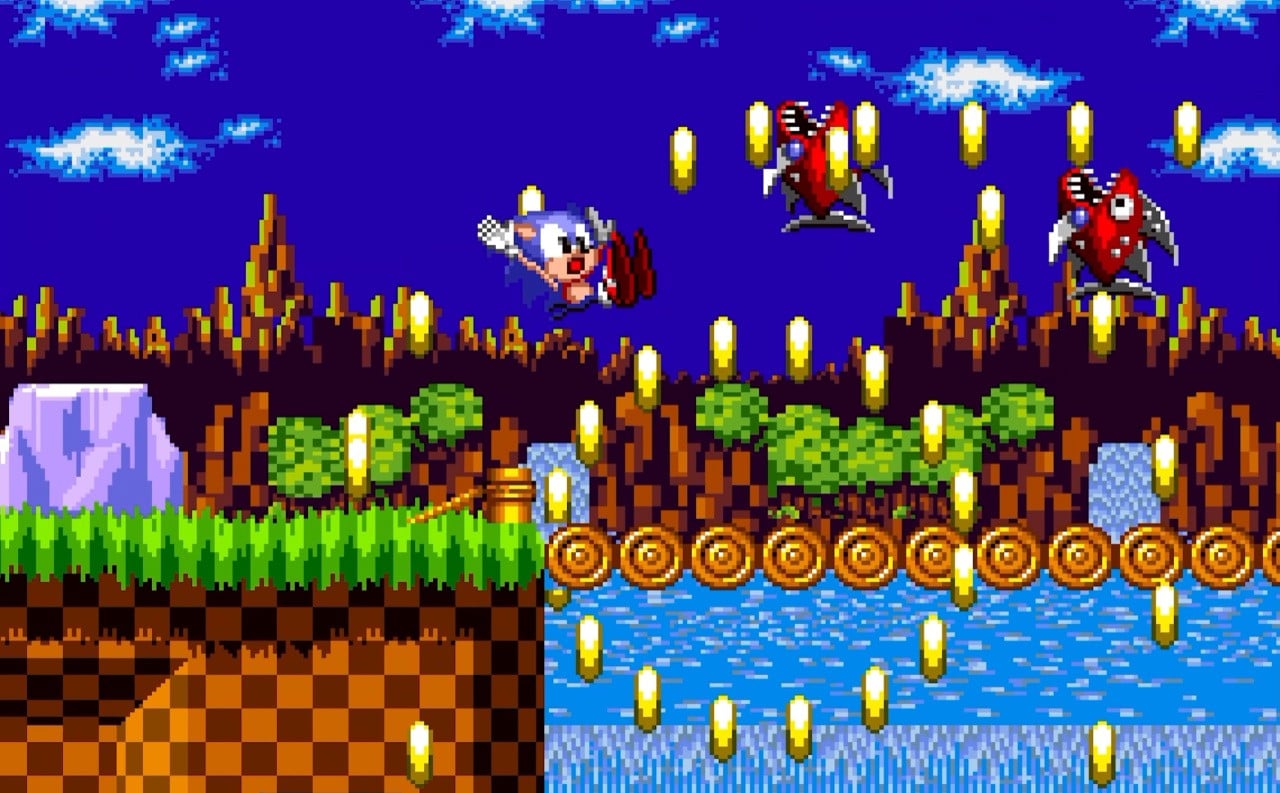
Resourceful developers overcame this by employing specialized visual tricks that created an illusion of transparency—most famously exemplified in the mesmerizing waterfall scenes in Sonic the Hedgehog.
When viewed on a CRT television, these effects achieved brilliance that is often lost on modern flat-panel displays.
Modern emulators, accessible via platforms like the Nintendo Switch eShop, attempt to deliver authentic retro experiences by introducing filters that mimic CRT visuals.
Indie developer aisunina has recently showcased an emulator filter that exaggerates the rainbow effect observed in Sonic’s waterfalls.
This demonstration has ignited vibrant discussions within the retro gaming community.
Many long-time players recall subtle color blending on original hardware, but some argue that the aggressive filter present in the recent emulator example overstates the effect.
One notable commentator summarized the sentiment: “I don't really recall it ever looking like this.”
Community responses are divided, with some gamers insisting the rainbow effect was visible on their home setups, while others say their own CRTs never showed such pronounced visual artifacts.
Step deeper and the picture becomes more complex: during the Genesis era, the user experience was heavily influenced by each individual CRT TV's brand, model, and especially by the type of connection used.
Gamers could choose from RF, S-Video, SCART, or Composite connections, each delivering subtly different color reproduction, sharpness, and blending.
These physical differences contributed to each player’s unique memory of how games appeared decades ago.
The nostalgia surrounding hardware like the Sega Genesis and iconic franchises such as Sonic the Hedgehog has driven steady sales on modern platforms, including re-releases on the Nintendo Switch.
Preserving classic games in today’s visually advanced ecosystem presents technical and philosophical challenges for developers, as they strive to reconcile the original artistic intent with the realities of contemporary hardware.
Ultimately, the recent discourse underscores how personal and variable retro gaming memories can be, shaped by both technology and time.
Whether you vividly recall seeing rainbows in Sonic's waterfalls or simply enjoy today's emulated renditions, the effort to faithfully preserve gaming’s visual history continues to inspire innovation within the development community.
This ongoing discussion has gained renewed attention thanks to the work of indie developer @aisunina, who recently revealed new ways emulators replicate the distinctive transparency effects seen in classic Sega Genesis (Mega Drive) titles such as Sonic the Hedgehog, a cornerstone of gaming history.
In the 1980s and 1990s, game development was intricately tied to the hardware of the era.
Developers carefully considered the characteristics of CRT screens and harnessed their features to achieve effects that modern displays simply cannot duplicate natively.
For instance, the Genesis lacked hardware support for object transparency.
Resourceful developers overcame this by employing specialized visual tricks that created an illusion of transparency—most famously exemplified in the mesmerizing waterfall scenes in Sonic the Hedgehog.
When viewed on a CRT television, these effects achieved brilliance that is often lost on modern flat-panel displays.
Modern emulators, accessible via platforms like the Nintendo Switch eShop, attempt to deliver authentic retro experiences by introducing filters that mimic CRT visuals.
Indie developer aisunina has recently showcased an emulator filter that exaggerates the rainbow effect observed in Sonic’s waterfalls.
This demonstration has ignited vibrant discussions within the retro gaming community.
Many long-time players recall subtle color blending on original hardware, but some argue that the aggressive filter present in the recent emulator example overstates the effect.
One notable commentator summarized the sentiment: “I don't really recall it ever looking like this.”
Community responses are divided, with some gamers insisting the rainbow effect was visible on their home setups, while others say their own CRTs never showed such pronounced visual artifacts.
Step deeper and the picture becomes more complex: during the Genesis era, the user experience was heavily influenced by each individual CRT TV's brand, model, and especially by the type of connection used.
Gamers could choose from RF, S-Video, SCART, or Composite connections, each delivering subtly different color reproduction, sharpness, and blending.
These physical differences contributed to each player’s unique memory of how games appeared decades ago.
The nostalgia surrounding hardware like the Sega Genesis and iconic franchises such as Sonic the Hedgehog has driven steady sales on modern platforms, including re-releases on the Nintendo Switch.
Preserving classic games in today’s visually advanced ecosystem presents technical and philosophical challenges for developers, as they strive to reconcile the original artistic intent with the realities of contemporary hardware.
Ultimately, the recent discourse underscores how personal and variable retro gaming memories can be, shaped by both technology and time.
Whether you vividly recall seeing rainbows in Sonic's waterfalls or simply enjoy today's emulated renditions, the effort to faithfully preserve gaming’s visual history continues to inspire innovation within the development community.