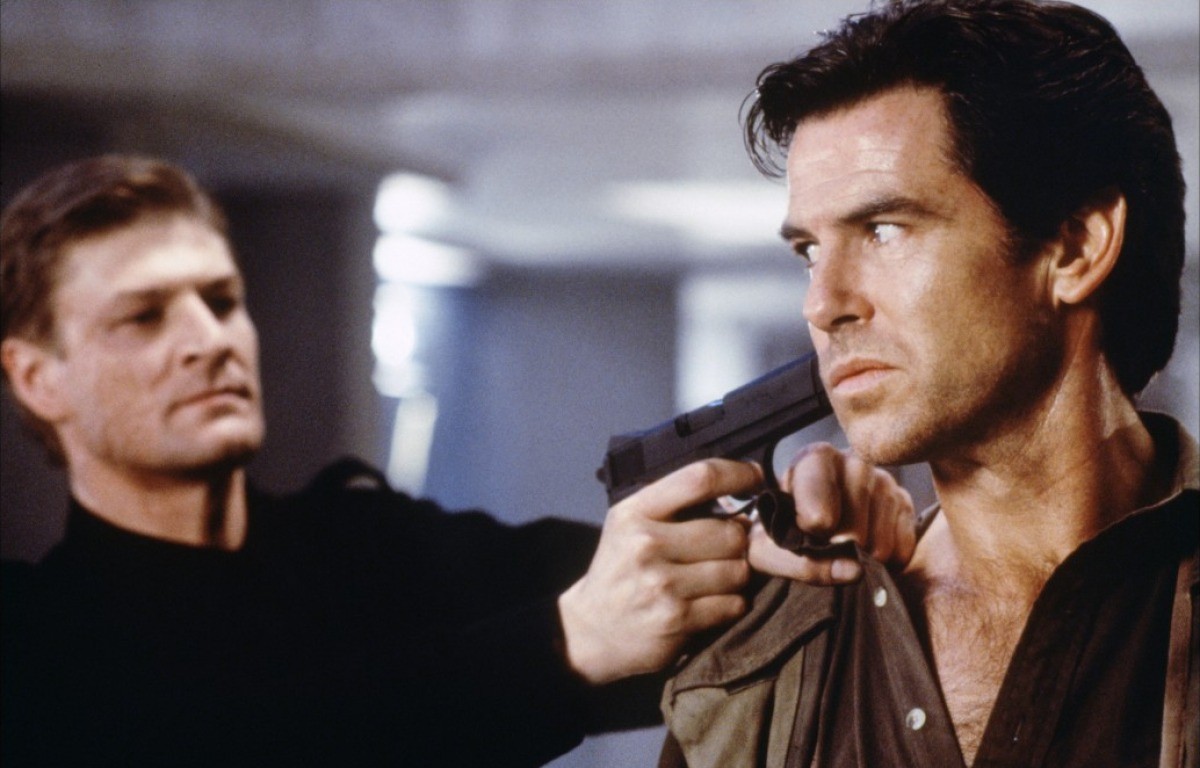
GoldenEye 007 remains one of the most influential titles in both Nintendo 64 history and the broader first-person shooter genre.
Developed by UK-based studio Rare and released in 1997, the game set new standards in gameplay, multiplayer innovation, and adaptation of the James Bond franchise into the interactive medium.
However, what many may not realize is the extent to which Shigeru Miyamoto, Nintendo’s legendary game designer, sought to temper the game’s violence, reflecting Nintendo’s commitment to a family-friendly brand—even when bringing a famously action-heavy IP to its platform.
During a session at the GameCity event in Nottingham, GoldenEye 007’s designer Martin Hollis shared insights into the development challenges the team faced by adapting a mature film series for the Nintendo 64.
Hollis explained that balancing the inherently violent themes of James Bond with Nintendo’s strict content guidelines presented significant creative hurdles.
According to Hollis, early builds of the game featured intense gore effects—drawn from over 40 detailed texture sprites—that were reminiscent of iconic cinematic moments of violence.
"When I first saw it, the blood effects were spectacular, almost like the scene from The Shining with the elevator doors opening," Hollis noted, reflecting on the initial impact.
"But I quickly realized that the sheer volume of red might be excessive."
This sentiment was shared by Shigeru Miyamoto, who expressed his concerns directly to the development team.
Miyamoto communicated, in precise terms, his discomfort with the close-up violence depicted in the game, finding it distressing and out of character with Nintendo's image.
Rather than mandate specific changes, Miyamoto suggested that perhaps the narrative could be reframed to reduce the sense of tragedy associated with the in-game deaths.
One notable recommendation was that, at the climax of the game, players might encounter a sequence where Bond visits his adversaries in the hospital and shakes hands, emphasizing reconciliation over revenge.
While not all of Miyamoto’s suggestions were implemented literally, they had a meaningful impact on GoldenEye 007’s final design.
In response, Hollis and the team incorporated a movie-style credits sequence where the game’s characters—both heroes and enemies—are presented as actors, underscoring the idea that, like in a film, the violence was fictional.
Hollis stated, "It was a cinematic decision that highlighted the artifice of the game world and reassured players that what they experienced was not actual killing."
The influence of Nintendo’s internal design philosophy also extended beyond content moderation.
Hollis recalled meticulously studying flagship Nintendo titles like The Legend of Zelda: A Link to the Past and Super Mario 64, drawing on their principles of player respect and engagement.
"The concept of 'user-centric design'—making thoughtful considerations about where and how players engage with the game—was very much part of Nintendo's mindset and shaped our own approach," he explained.
Since its 1997 launch, GoldenEye 007 has sold over eight million copies worldwide, cementing its legacy as both a commercial and critical success for Rare and Nintendo.
The balance between thrilling action and responsible content presentation, informed by voices like Miyamoto’s, helped the game become a lasting classic—a testament to how creative constraints can sometimes inspire innovation in game development.
Developed by UK-based studio Rare and released in 1997, the game set new standards in gameplay, multiplayer innovation, and adaptation of the James Bond franchise into the interactive medium.
However, what many may not realize is the extent to which Shigeru Miyamoto, Nintendo’s legendary game designer, sought to temper the game’s violence, reflecting Nintendo’s commitment to a family-friendly brand—even when bringing a famously action-heavy IP to its platform.
During a session at the GameCity event in Nottingham, GoldenEye 007’s designer Martin Hollis shared insights into the development challenges the team faced by adapting a mature film series for the Nintendo 64.
Hollis explained that balancing the inherently violent themes of James Bond with Nintendo’s strict content guidelines presented significant creative hurdles.
According to Hollis, early builds of the game featured intense gore effects—drawn from over 40 detailed texture sprites—that were reminiscent of iconic cinematic moments of violence.
"When I first saw it, the blood effects were spectacular, almost like the scene from The Shining with the elevator doors opening," Hollis noted, reflecting on the initial impact.
"But I quickly realized that the sheer volume of red might be excessive."
This sentiment was shared by Shigeru Miyamoto, who expressed his concerns directly to the development team.
Miyamoto communicated, in precise terms, his discomfort with the close-up violence depicted in the game, finding it distressing and out of character with Nintendo's image.
Rather than mandate specific changes, Miyamoto suggested that perhaps the narrative could be reframed to reduce the sense of tragedy associated with the in-game deaths.
One notable recommendation was that, at the climax of the game, players might encounter a sequence where Bond visits his adversaries in the hospital and shakes hands, emphasizing reconciliation over revenge.
While not all of Miyamoto’s suggestions were implemented literally, they had a meaningful impact on GoldenEye 007’s final design.
In response, Hollis and the team incorporated a movie-style credits sequence where the game’s characters—both heroes and enemies—are presented as actors, underscoring the idea that, like in a film, the violence was fictional.
Hollis stated, "It was a cinematic decision that highlighted the artifice of the game world and reassured players that what they experienced was not actual killing."
The influence of Nintendo’s internal design philosophy also extended beyond content moderation.
Hollis recalled meticulously studying flagship Nintendo titles like The Legend of Zelda: A Link to the Past and Super Mario 64, drawing on their principles of player respect and engagement.
"The concept of 'user-centric design'—making thoughtful considerations about where and how players engage with the game—was very much part of Nintendo's mindset and shaped our own approach," he explained.
Since its 1997 launch, GoldenEye 007 has sold over eight million copies worldwide, cementing its legacy as both a commercial and critical success for Rare and Nintendo.
The balance between thrilling action and responsible content presentation, informed by voices like Miyamoto’s, helped the game become a lasting classic—a testament to how creative constraints can sometimes inspire innovation in game development.